


While southern Europe fills to the brim with holidaymakers, these are 5 of our favourite destinations for escaping the madding crowds in July.
I’ll hold my hands up here. We’re often guilty of discouraging travel in July (and August) due to crowds and prices. July is peak season for pretty much the whole of the Northern Hemisphere, and some of the South, thanks to dreamy summer weather and the start of the school holidays.
While it’s true that hotel and flight prices often spike at this time, as do the number of visitors almost anywhere, the reality is that summer is a great time to get out and see the world. And some of us (parents, teachers etc) have our hands tied when it comes to taking time off.
So, instead of ruling July out completely, we’re looking at the unsung heroes of the summer holiday scene. Cities, regions and countries that fly under the radar, perhaps because they’re inland, or there’s a small chance of rain, or maybe temperatures don’t reach sweltering levels (a perk in my opinion), but have so much to offer for a mid-year getaway. These would be our top picks for a holiday in July.
1 The Basque Country
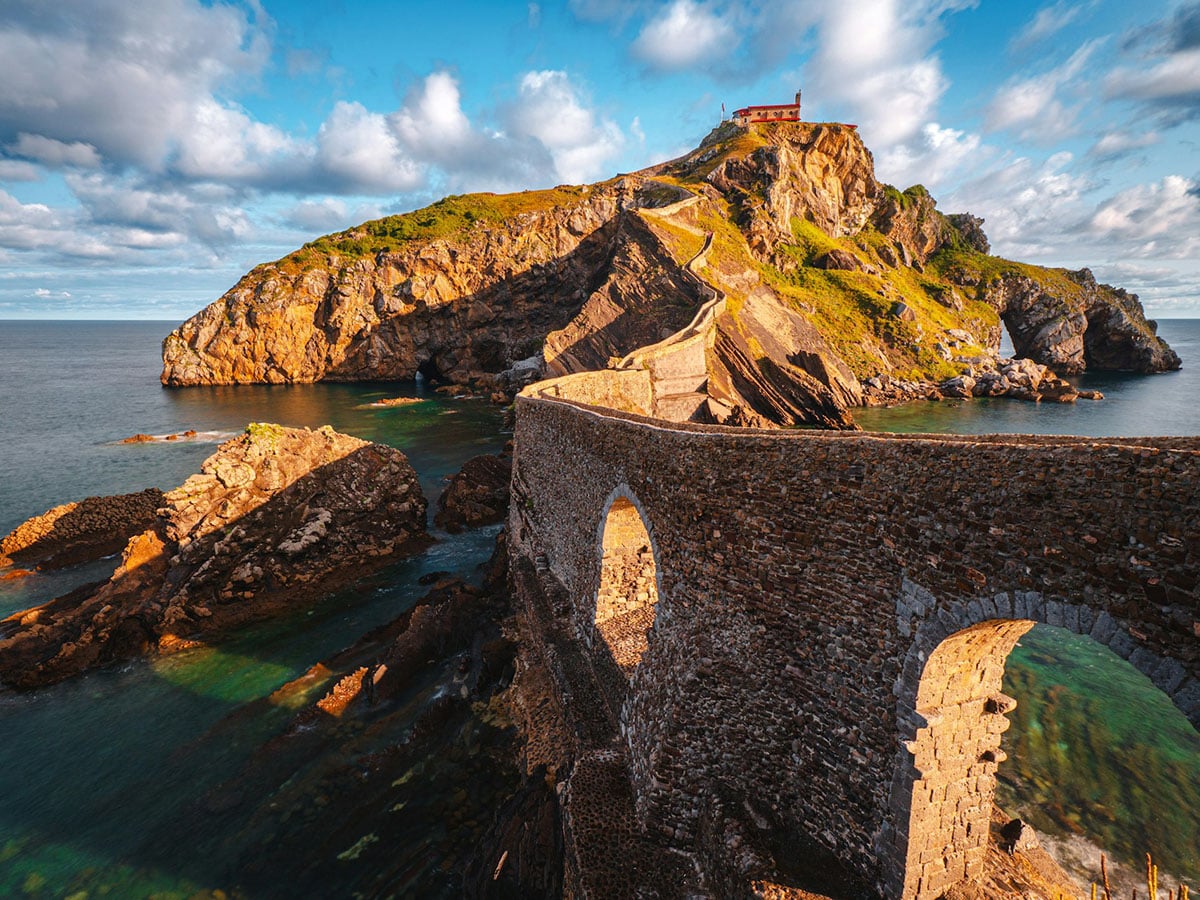
☀ Average July temperatures: Highs: 25°C; Lows: 11°C
While the hordes squeeze onto Spain’s sundrenched southern coast, July is a great time to explore the verdant north. The Basque Country has all the markers of a classic European summer destination – beaches, history, delicious food – but often gets overlooked because of the ever-present risk of rain. Yes, it’s true, the rain in Spain falls mostly in the Basque, but July is the driest, warmest month of the year, so beach time is absolutely on the cards.
Daily temps in July rarely peak above 25 degrees, so you can comfortably explore the region’s diverse landscape. Climb up to Gaztelugatxe, a striking hermitage islet near Bermeo (Game of Thrones fans will recognise it as ‘Dragonstone’). Or hike in the Urkiola Natural Park, home to the Aramotz mountain range that’s steeped in Basque mythology. Or take on the Camino del Norte, part of the famous Camino de Santiago walking trail; tracing the coast from San Sebastian, it’s quite a challenging section but the scenery is second to none.
When you need to fuel up after all that activity, the region’s renowned food scene will take good care of you. The Basque Country is widely considered to have the best cuisine in Spain, and one of the best in the world, so evenings should be spent hopping between pintxos bars. You’ll be spoilt for choice in San Sebastian (Spain’s foodie capital) and Bilbao, and between the two cities you’ll find delicious regional fare, particularly seafood, at any of the coastal towns and villages. Wine lovers could also spend a day in neighbouring Rioja, while the world famous Bull Run in Pamplona (now Navarre but historically Basque) takes place in the 2nd week of July.
Where to stay in The Basque Country
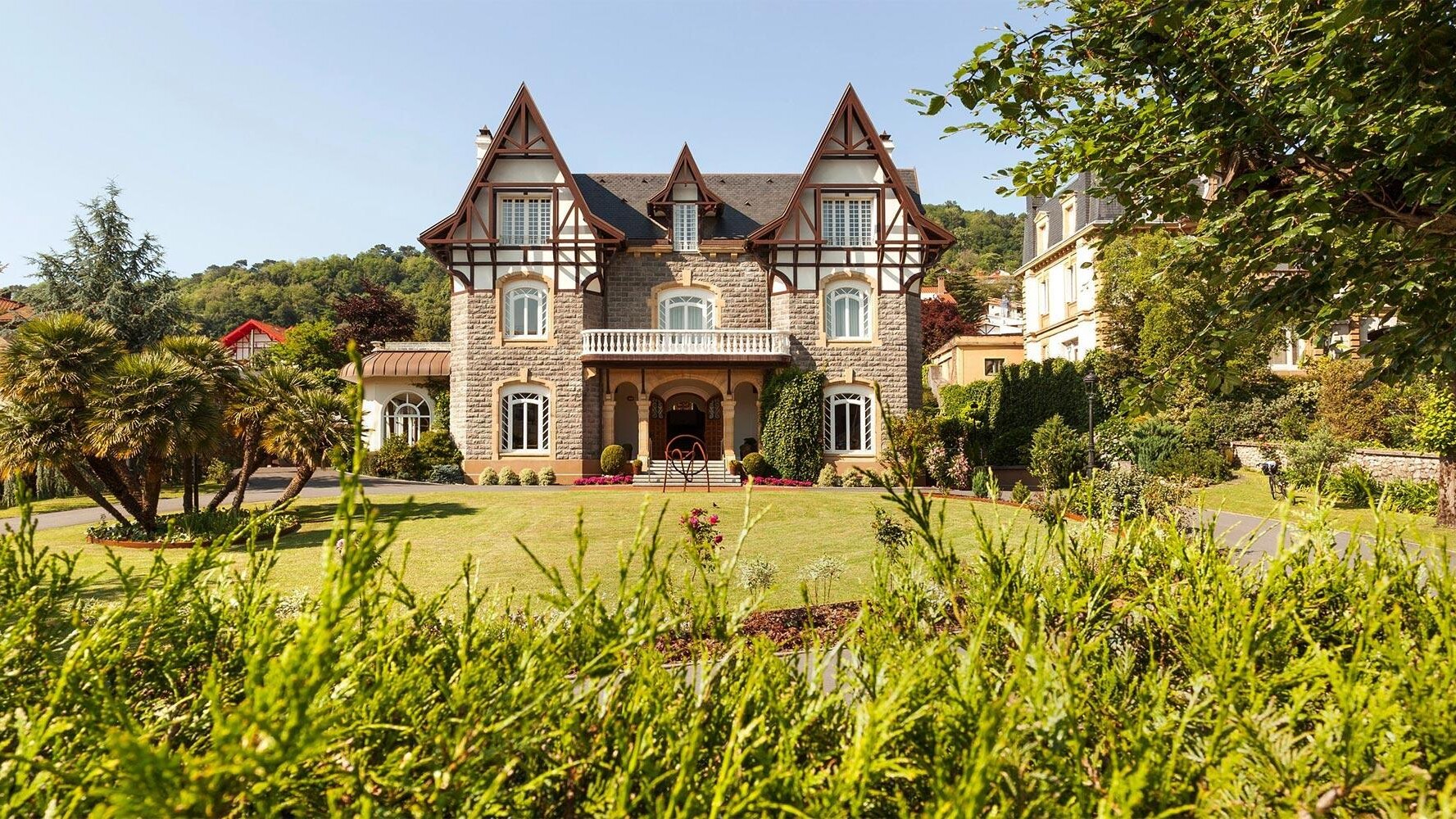
Hotel Villa Soro
A country-house hotel in foodie-haven San Sebastian, with a beach close at hand and kind staff who do whatever it takes.
Best for: A gourmet city break
Prices from: GBP 313 per room per night
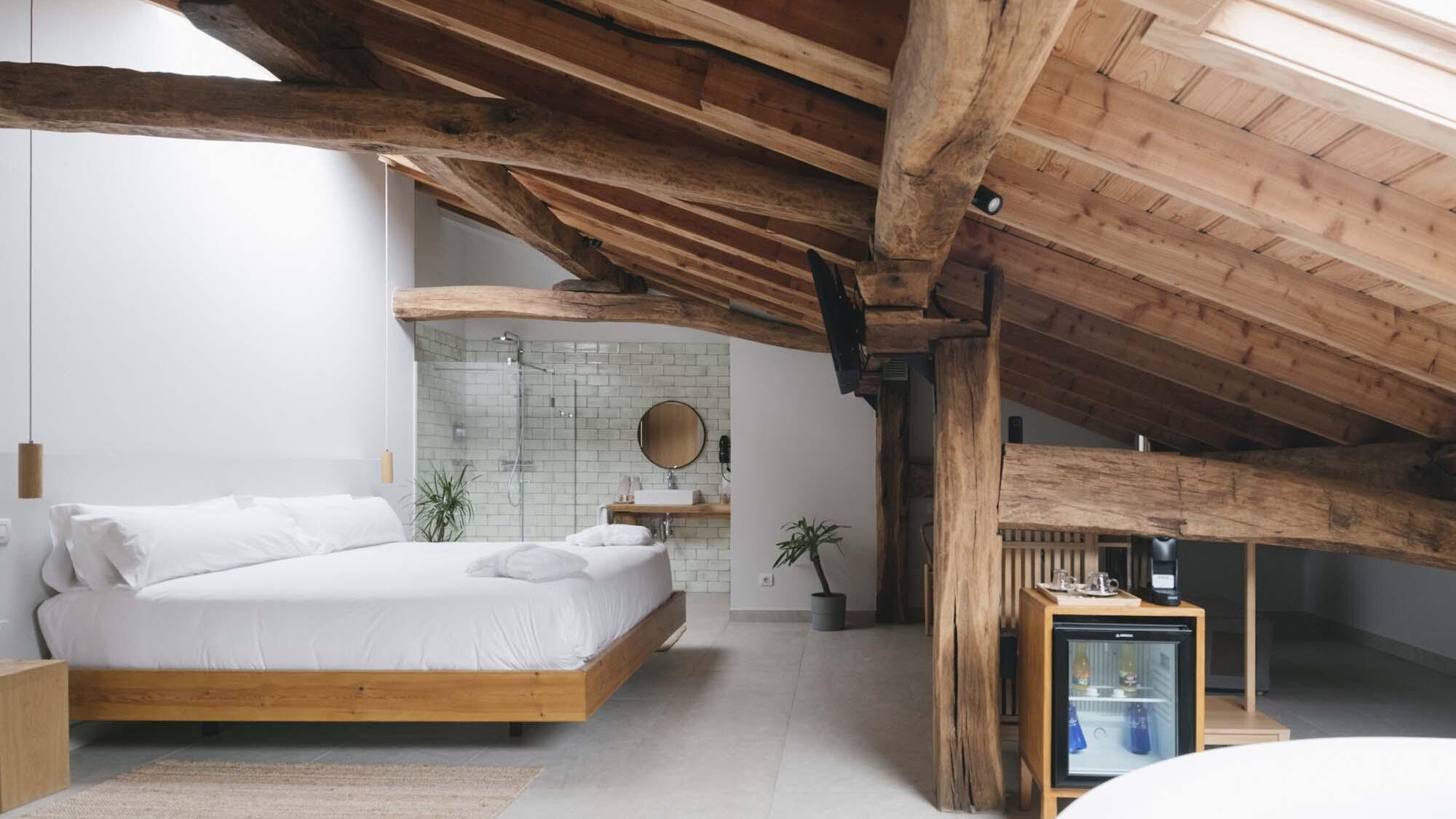
Hotel Nafarrola
Peaceful suites & an excellent restaurant overlooking forests and sea, 30 minutes from Bilbao.
Best for: Seekers of slow travel
Prices from: GBP 235 per room per night
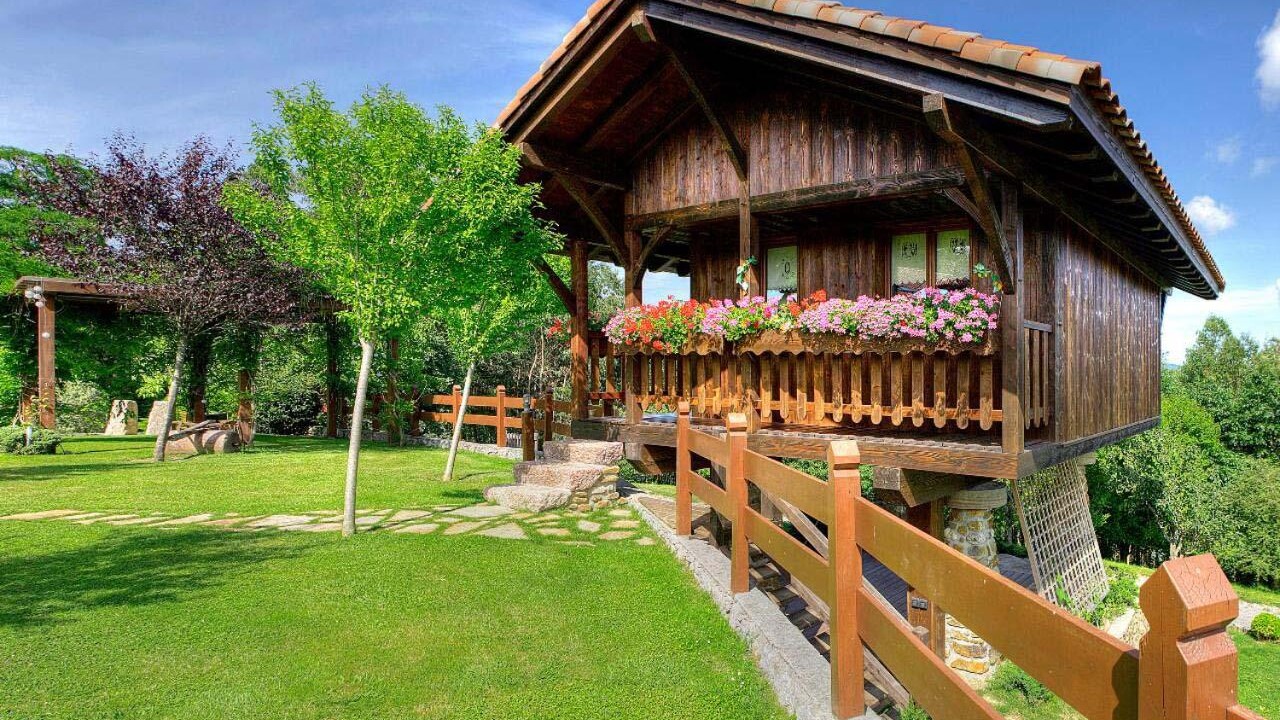
Ea Astei
Heaven in the hills above the coast, with a shimmering pool and a clutch of gorgeous self-catering boltholes for 2-6.
Best for: Families
Prices from: GBP 161 per house per night
2 Stockholm
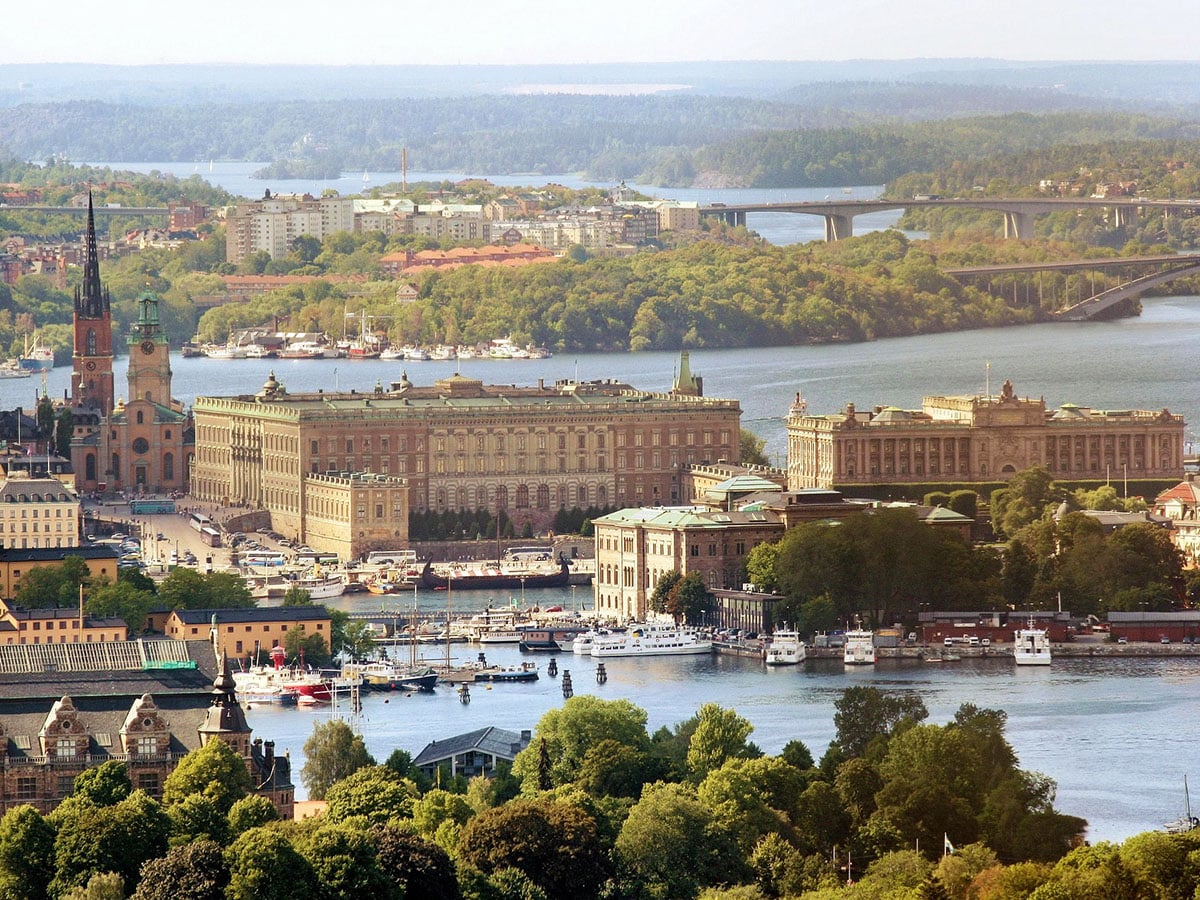
☀ Average July temperatures: Highs: 24°C; Lows: 15°C
After enduring long, dark winters, the Swedes love to spend every possible minute of summer outdoors, which creates a lively atmosphere wherever you go. Stockholm perfectly embodies this, and makes a great choice for anyone wanting a city break without the sweltering southern heat. Temperatures tend to hover between 18-24 degrees, perfect for mooching the streets, popping in and out of museums, and eating alfresco. Evenings can feel chilly, though, so pack a layer or two.
Stockholm is part of a 30,000-island archipelago, and trips to the islands are a summer pastime (you might even find the city a little quiet, as many locals retreat here for a couple weeks at a time). If you’re short on time, you can join a boat tour to soak in the scenery and stop at a couple popular spots, but the best option is picking a few islands to spend a day on, making use of the reliable ferry network from the city. Vaxholm (1hr ferry) is known for its postcard-worthy village and the pretty Hembygdsgårds Cafe, where you can feast on homemade cakes and pastries beside the water. Grinda (1hr50min ferry) has beautiful sandy beaches and unspoilt nature, idyllic on a warm July day.
If you fancy a swim but don’t want to leave the city, you’ll find Stockholmers gathering on Långholmsbadet or Smedsuddsbadet beach, both in the centre. Make use of the drawn out sunny days by climbing the City Hall Tower for amazing views, stroll or cycle around the wooded city island of Djurgården – also home to the ABBA Museum – or admire the Rosendal Palace gardens in full vibrant bloom. There are a couple of big festivals in July, but for the most part you’ll find buzz in the parks or by the water where people gather for picnics, before heading to trendy rooftop or outdoor bars as evening rolls in.
Where to stay in Stockholm & surrounds
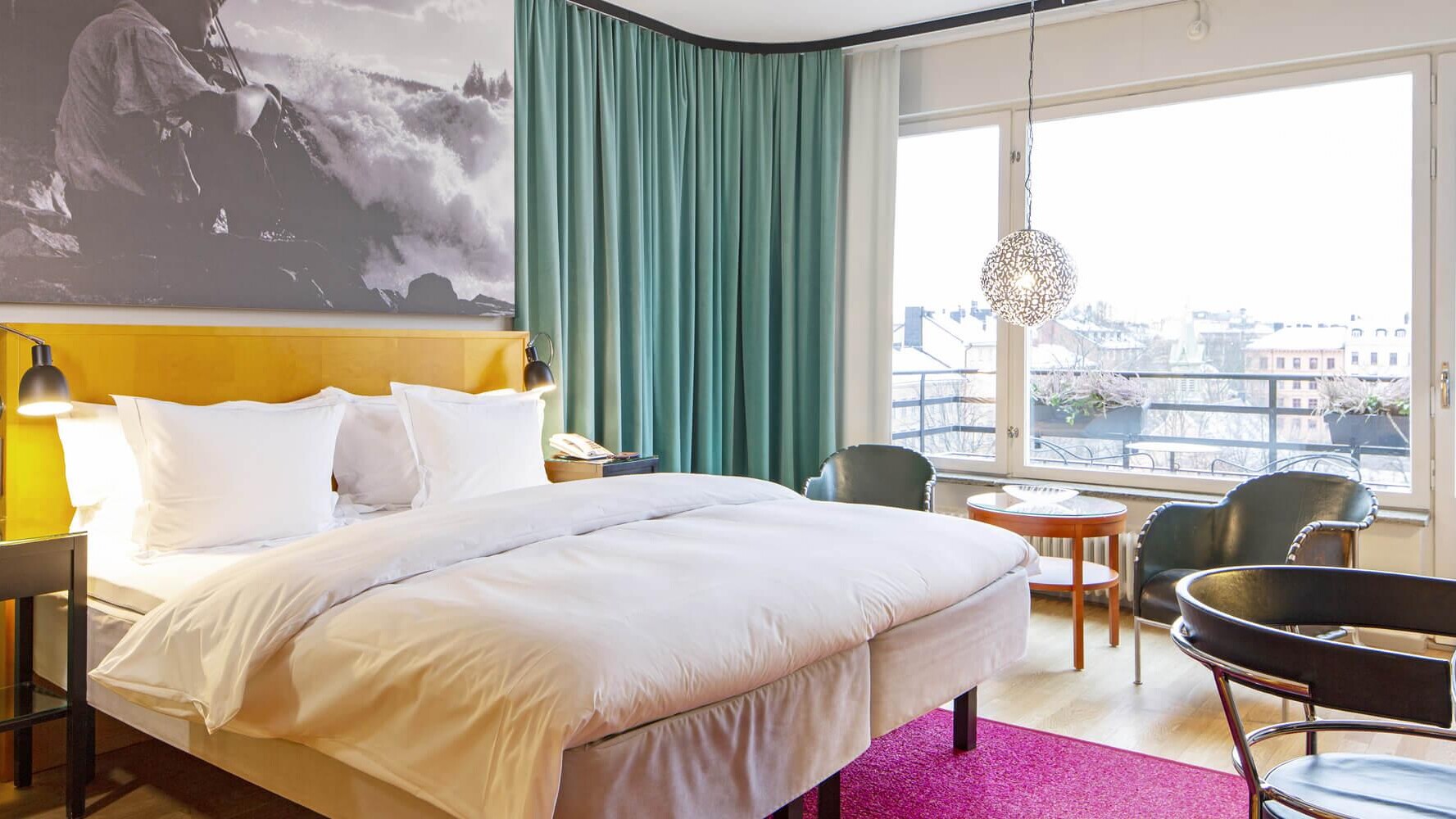
Hotel Rival
Stylish and comfortable rooms in a superbly designed hotel transformed from a 1930’s cinema.
Best for: Swedish style and an ABBA connection
Prices from: GBP 146 per room per night
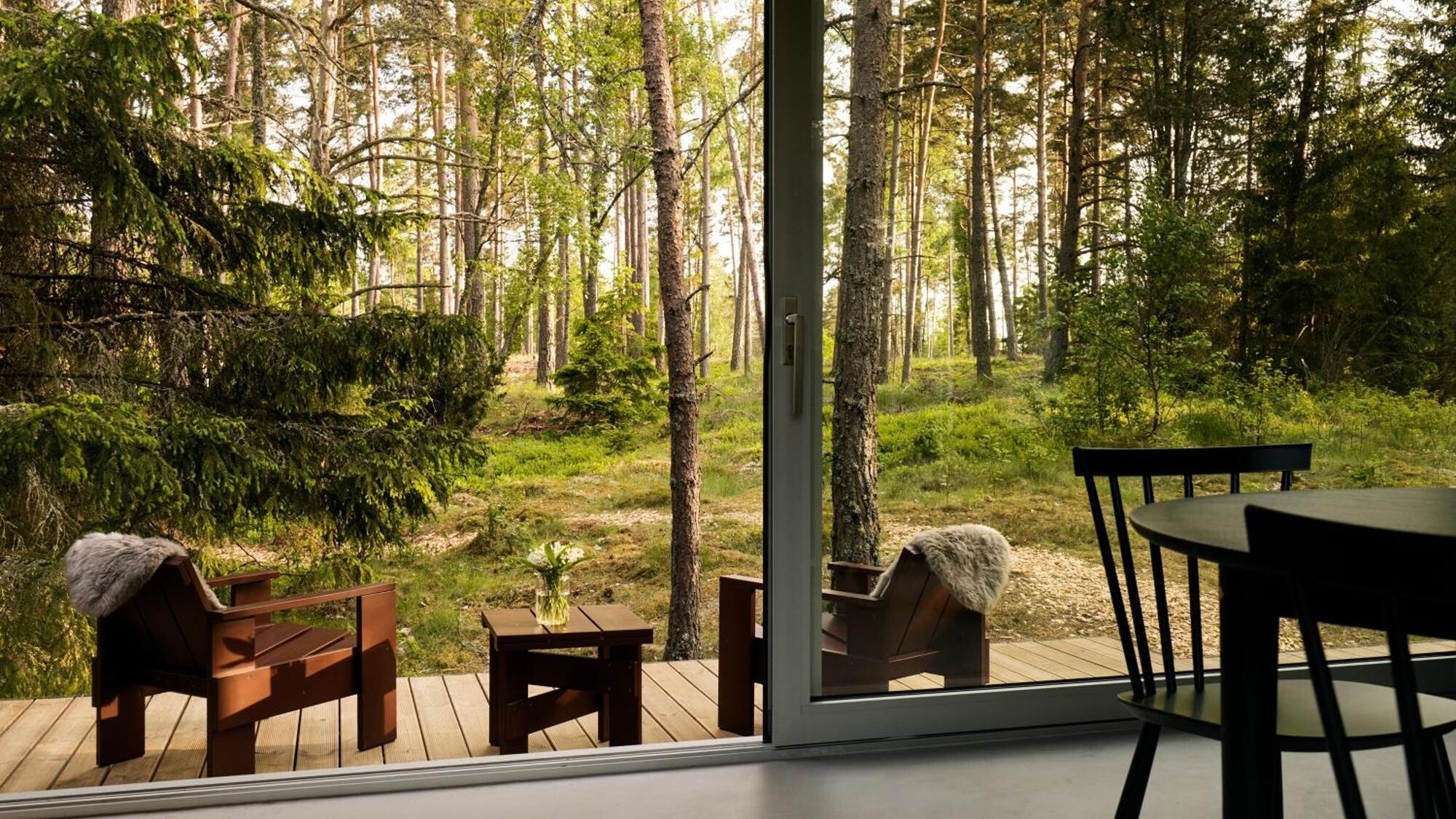
Landet
Designer glamping in these stunning cabins, encircled by forests and lakes, in an archipelago just south of Stockholm.
Best for: Nature near the city
Prices from: GBP 500 per cabin per night
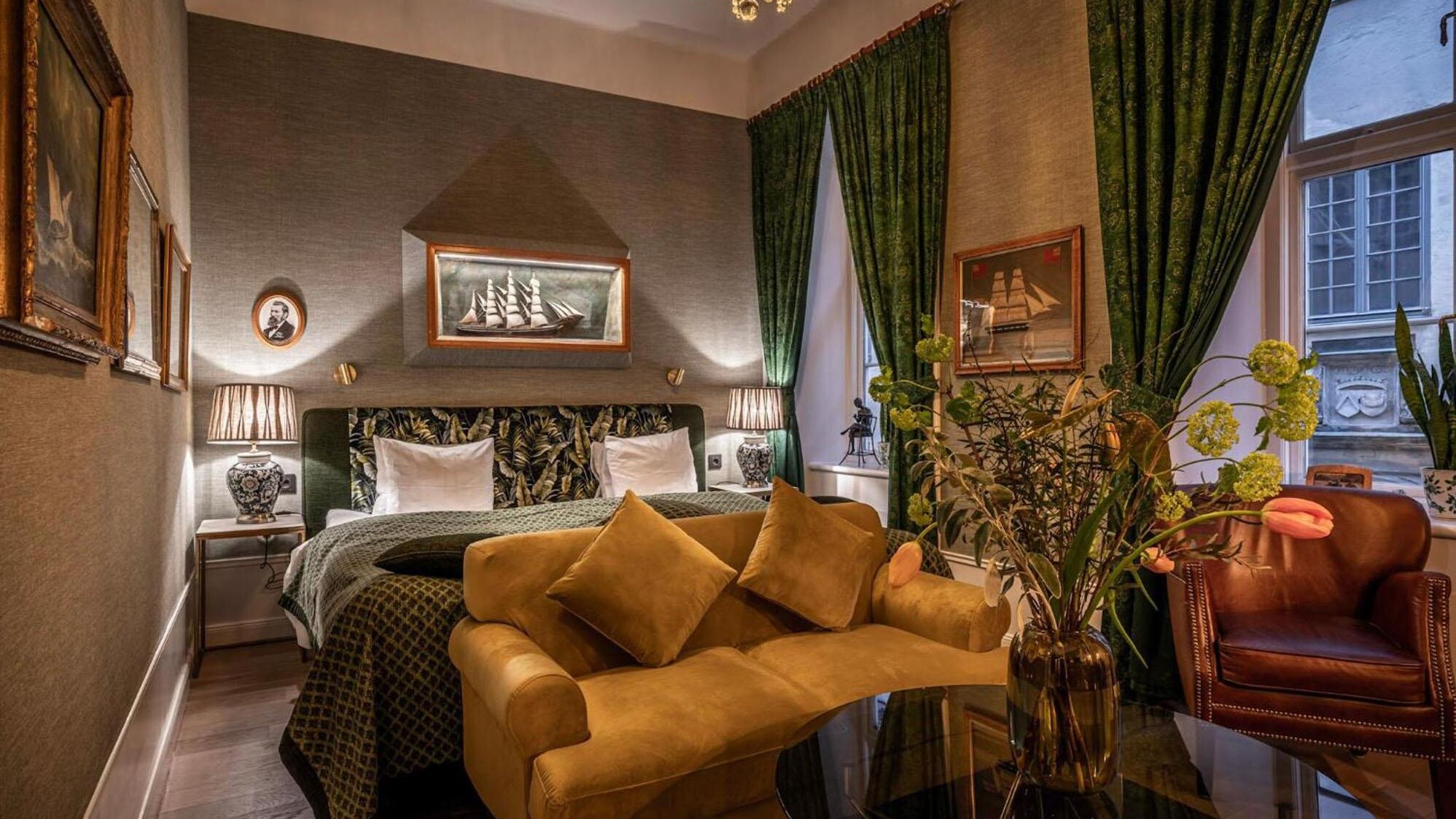
Victory Hotel
A quaint, cosy, nautical-themed hotel with a privileged position in Stockholm’s old town.
Best for: History buffs
Prices from: GBP 228 per room per night
3 Norfolk
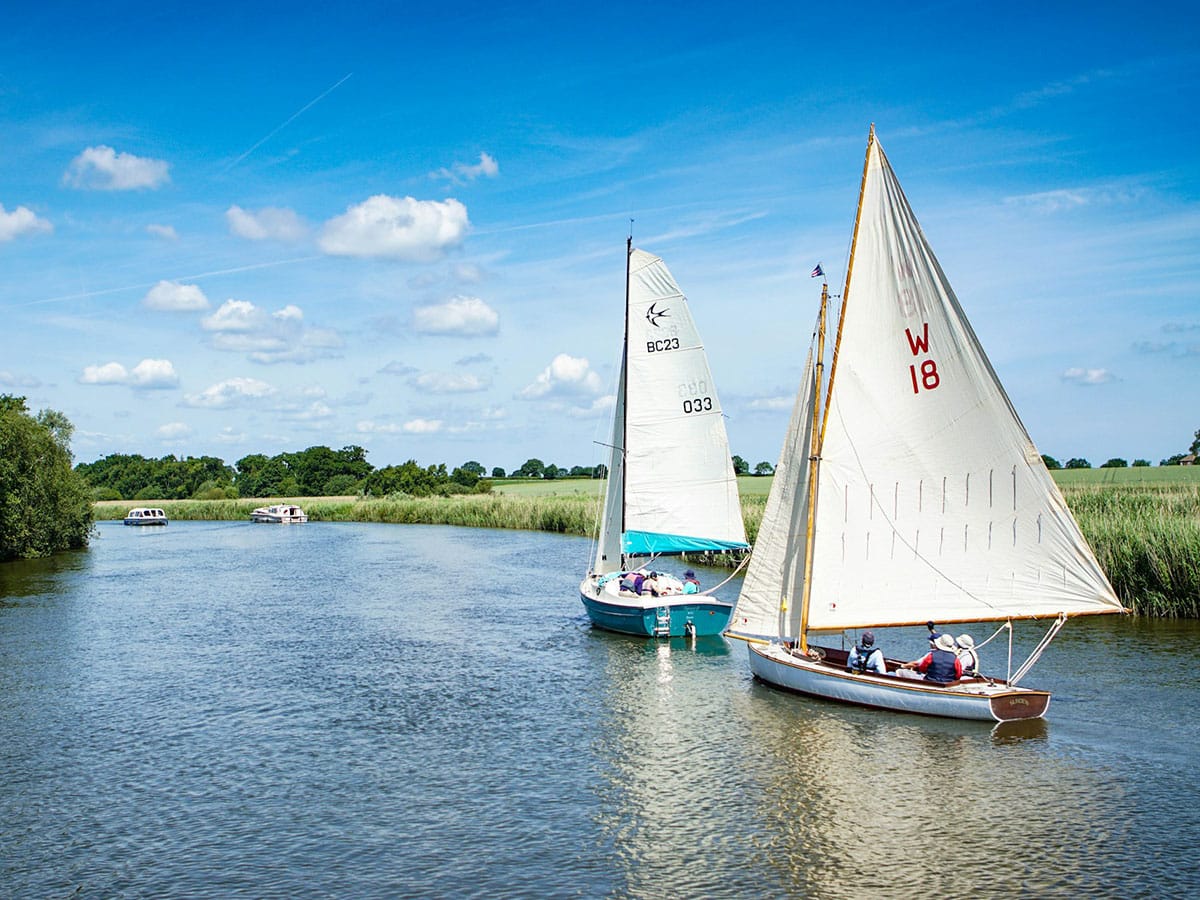
☀ Average July temperatures: Highs: 22°C; Lows: 12°C
Norfolk is a gorgeous region that somehow avoids the limelight when it comes to British summer holiday destinations, despite being easy to reach from London and the Midlands. It boasts 45 miles of coastline, incredible wildlife and picturesque villages. This is not to say it doesn’t attract tourists – there are hotspots – but it’s not to the same extreme as Devon and Cornwall. Even during the school holidays, the beaches tend to be less crowded, accommodation less stretched, and the vibe more relaxed.
Nature lovers will be in their element. The Norfolk Broads National Park is home to lots of rare species of plants, animals and invertebrates, and colonies of seals can be spotted all along the coast, including Blakeney Point, Horsey, and Hunstanton. July is the perfect time to go snorkelling in the Cromer Shoals Chalk Bed, which has been referred to as Britain’s Great Barrier Reef; it’s the longest in the world and home to an array of fish, mussels, porpoises, seals, even basking sharks.
The dry days (too optimistic?) are ideal for wandering around the many stately homes and National Trust properties that pepper the region, including Houghton Hall, the King’s beloved Sandringham Estate, and Holkham Hall, which happens to be very close to one of the most beautiful beaches in the country. After clambering the dunes of Holkham beach, gorge on fish and chips in Wells-next-the-Sea, then go crabbing off the pier in Cromer. It’s quintessential seaside stuff, but it never gets old.
Where to stay in Norfolk
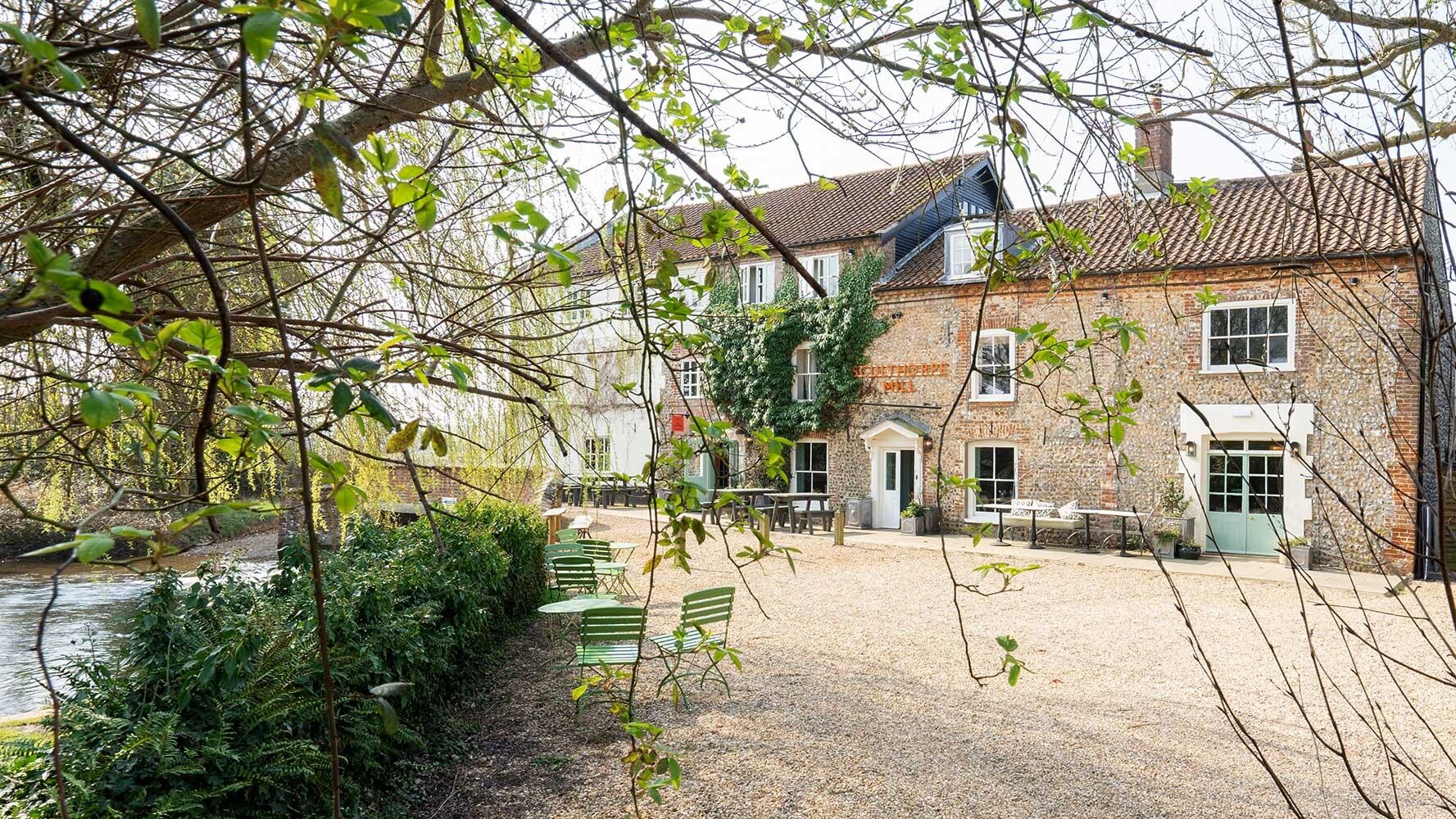
Sculthorpe Mill
Near Norfolk’s spectacular beaches, this riverside pub-with-rooms boasts laid-back vibes and superb food.
Best for: Long weekends
Prices from: GBP 120 per room per night
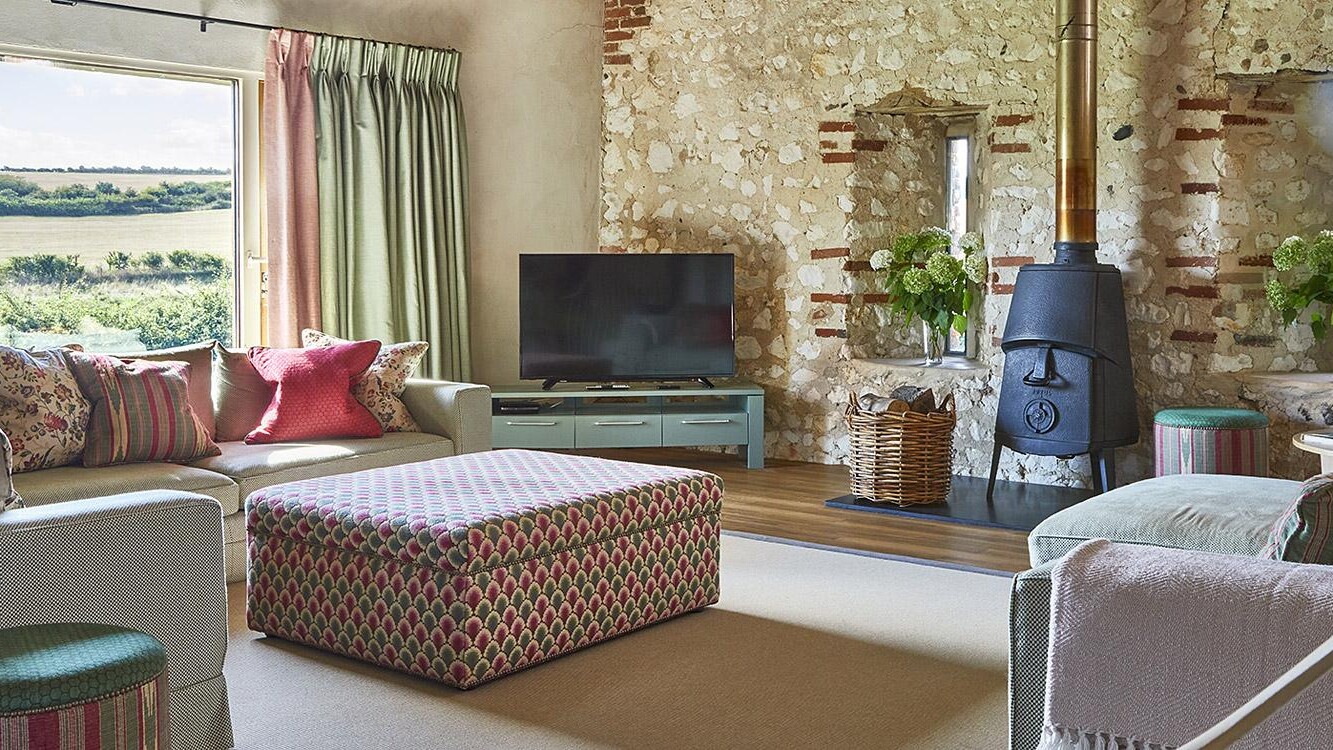
Barsham Barns
Beautiful barns in blissful isolation, a hop from Norfolk’s spectacular coast (sleeping 2-14; self-catering).
Best for: Family gatherings
Prices from: GBP 379 per house per night
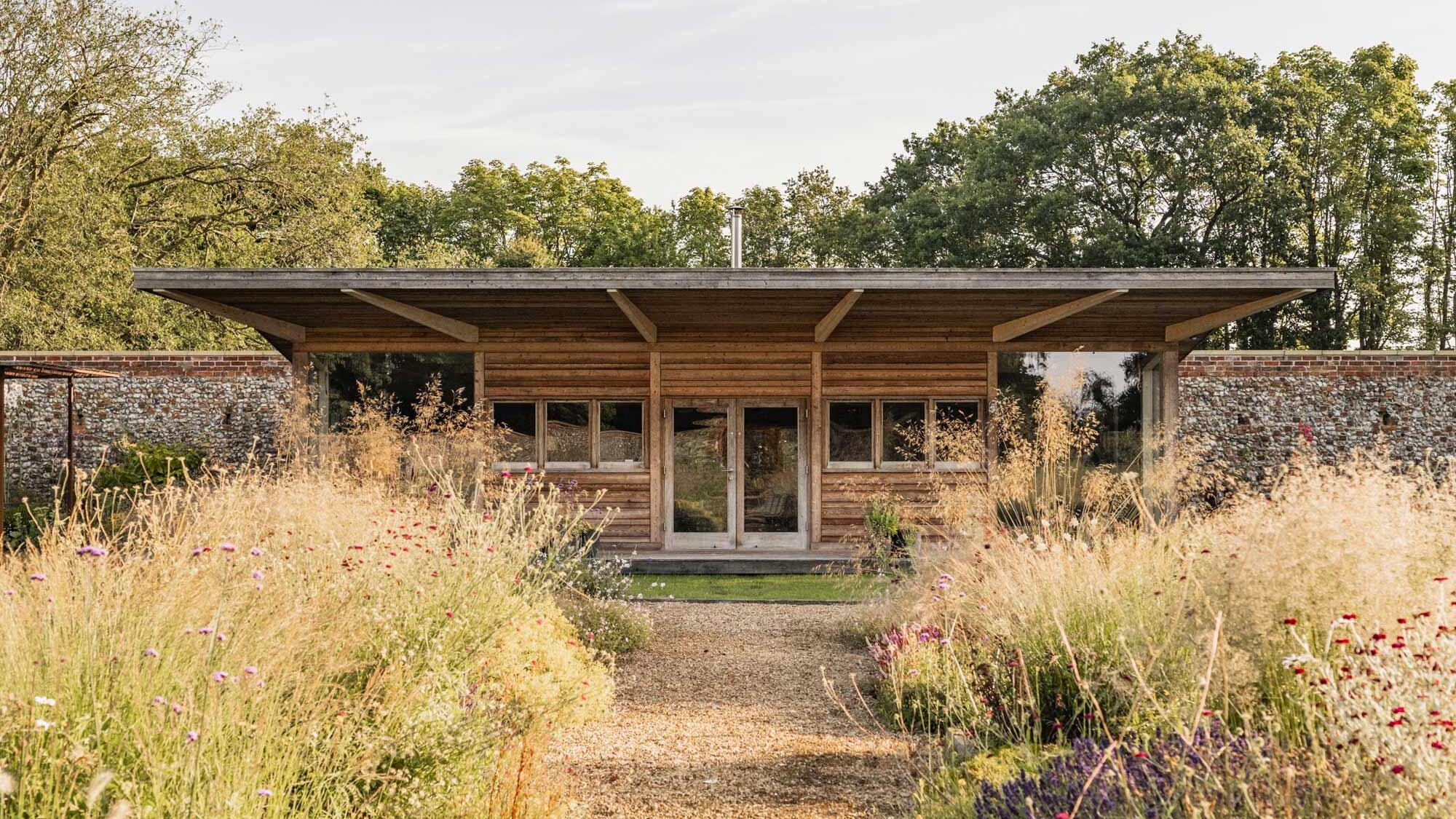
Thursford Castle
Two cabin retreats for peace-seeking couples in the heart of North Norfolk, with postcard-worthy beaches in easy reach.
Best for: Total tranquility
Prices from: GBP 200 per house per night
4 Slovenia
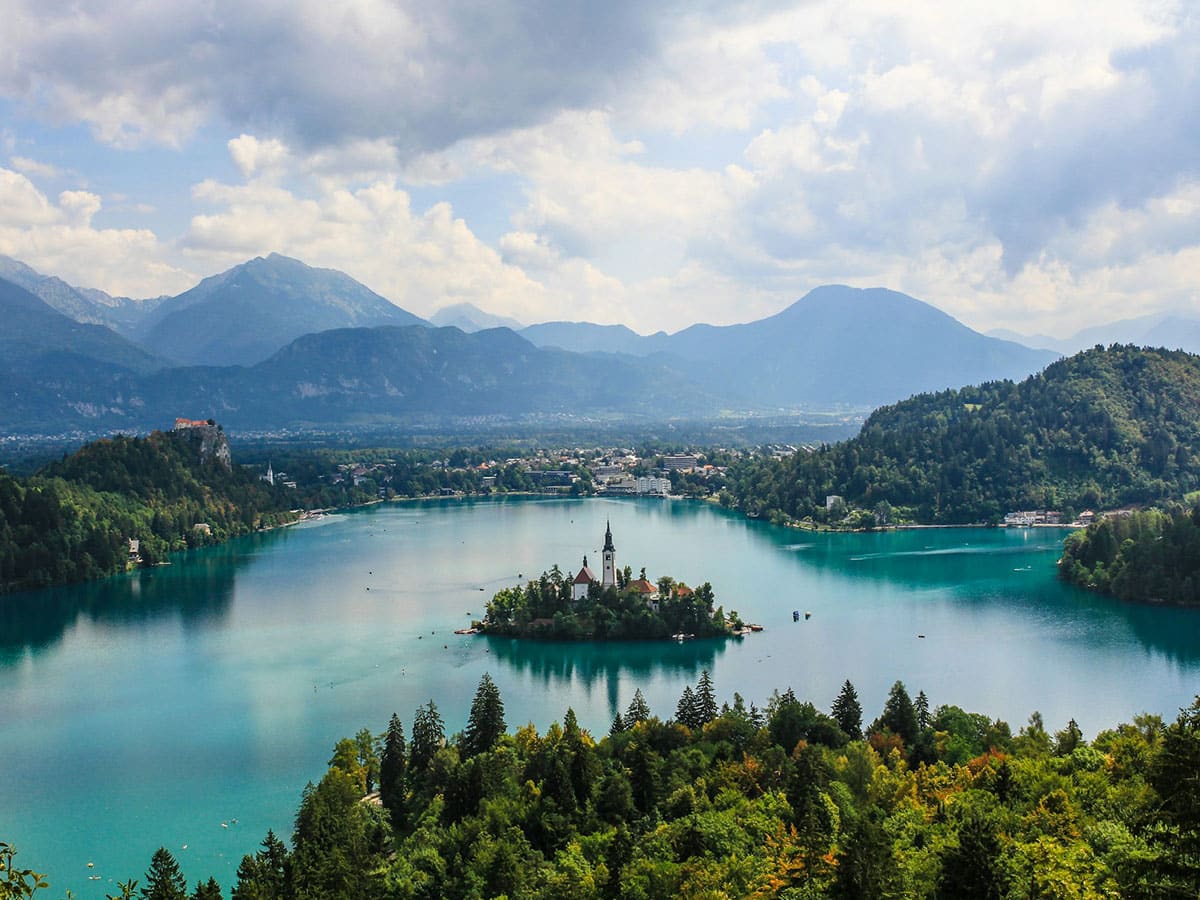
☀ Average July temperatures: Highs: 28°C; Lows: 16°C
Slovenia in July offers something for everyone. Balmy weather? Tick. Lively cities? Tick. Outdoor adventures and scenic lake swims? Tick and tick. There’s even a slither of Adriatic coast easily rivalling that of Croatia if you can’t sacrifice your time by the sea.
Summer turn Slovenia’s mountain ranges into an adventure playground. Hike in Triglav National Park and the Julian Alps, taking in breathtaking waterfalls and panoramic views. Follow the vivid green waters that flow through the pine-filled Soca Valley by foot, bike or kayak. Adrenaline seekers can try rafting, canyoning or paragliding over the forest and between rugged peaks. If that all sounds a little too fast-paced, there’s no shame in finding a shady spot by the shores of Lakes Bled or Bohinj, enjoying a tranquil dip and relaxing with a good book. Like I said, something for everyone.
The capital city, Ljubljana, comes alive in July. Cafes and restaurants spill onto the streets, university students hang out in the parks, and weekend markets pop up all over the place. The Ljubljana Summer Festival spans the whole season, promising a packed events schedule celebrating all things art and culture, from jazz to opera, ballet to musical theatre, international artists to homegrown talent. It’s worth noting Ljubljana can get hot in high summer and, as it’s peak season, you can expect hotspots like Lake Bled to be busy. However, compared to neighbours like Italy and Croatia, it will never feel swamped.
Where to stay in Slovenia
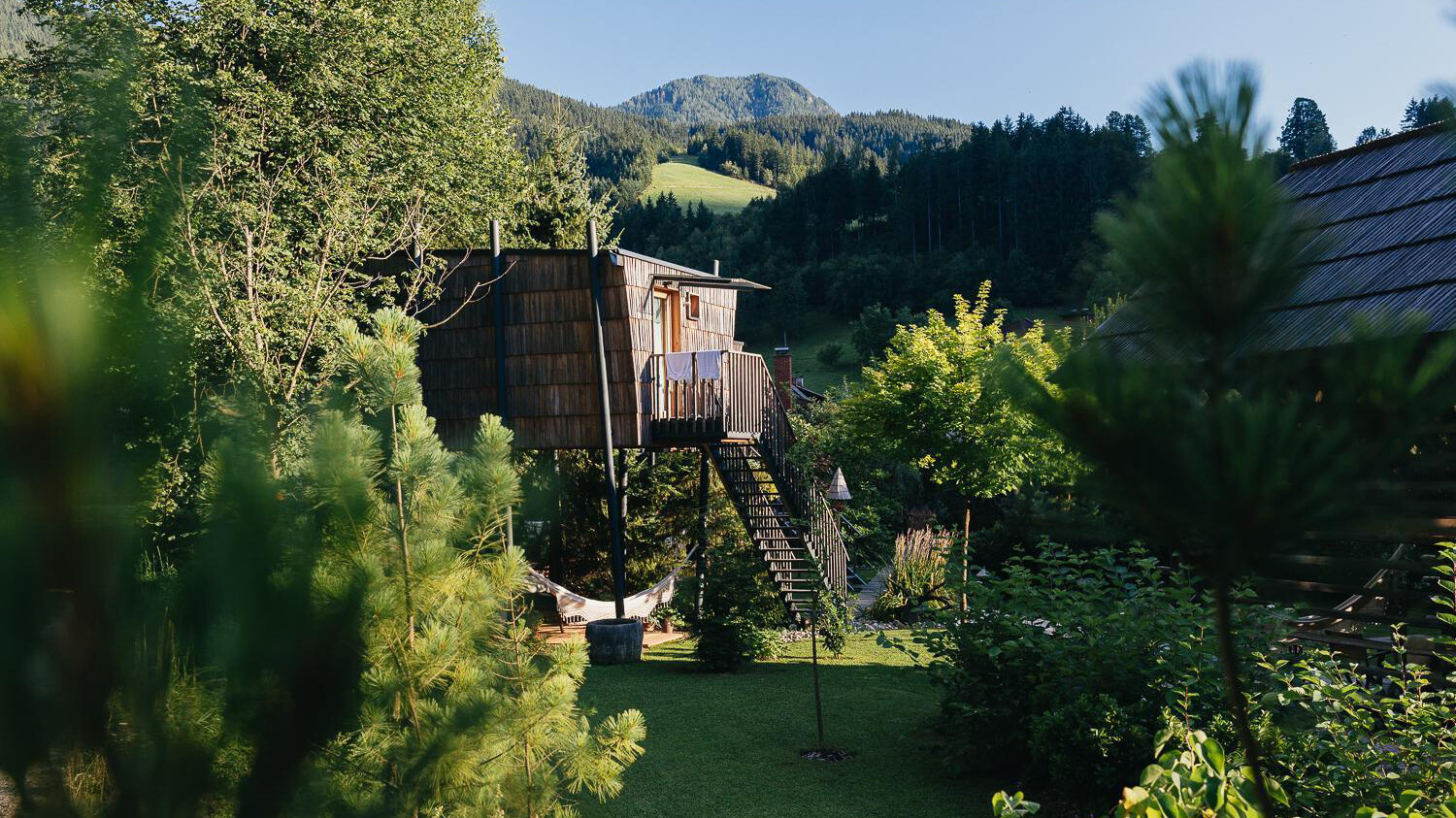
Hisa Raduha
Five forest suites in a spectacular mountain setting with stunning river views and a top rated restaurant.
Best for: Adventure seekers
Prices from: GBP 233 per room per night
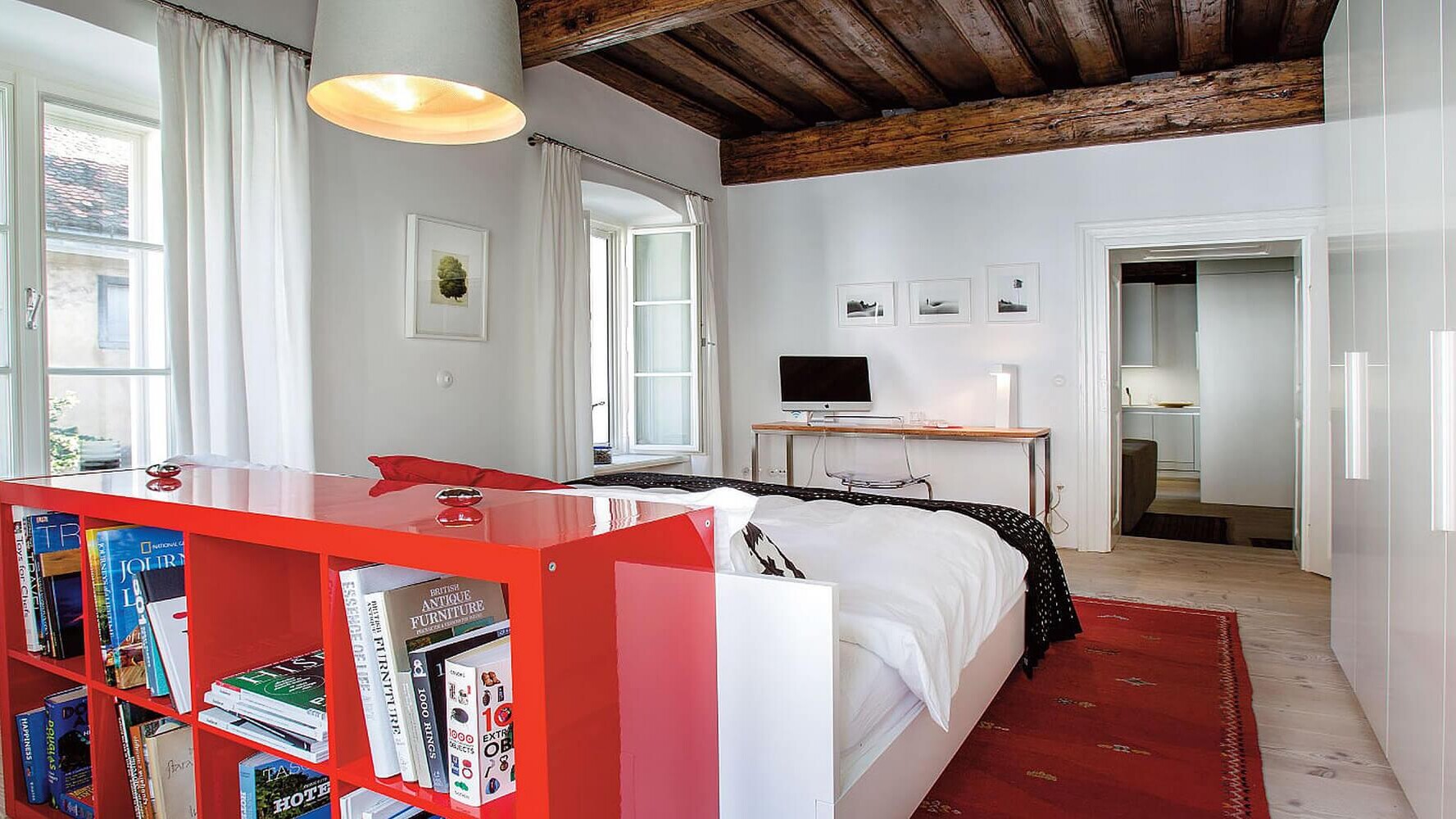
Ljubljana Boutique Apartment
A modern bolthole in the heart of the old town, overlooking one of Ljubljana’s lively cobbled squares (sleeps 2-3).
Best for: Living like a local
Prices from: GBP 193 per night
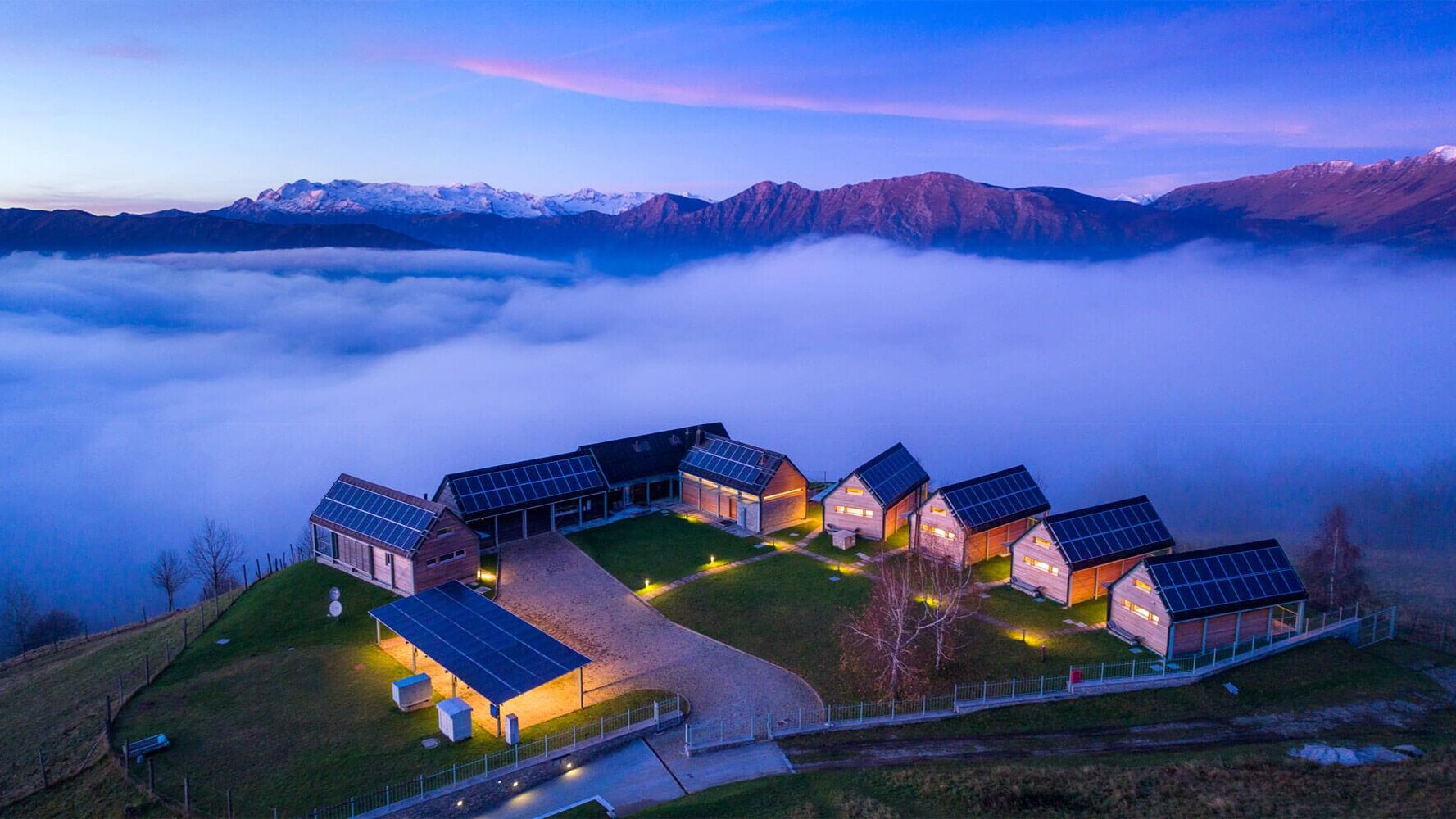
The Slovenian Mountain Hideaway
10/10 for staggering views, this mountain retreat offers 4 chic chalets to cosy up in with your partner.
Best for: Alpine scenery
Prices from: GBP 378 per chalet per night
5 Tanzania
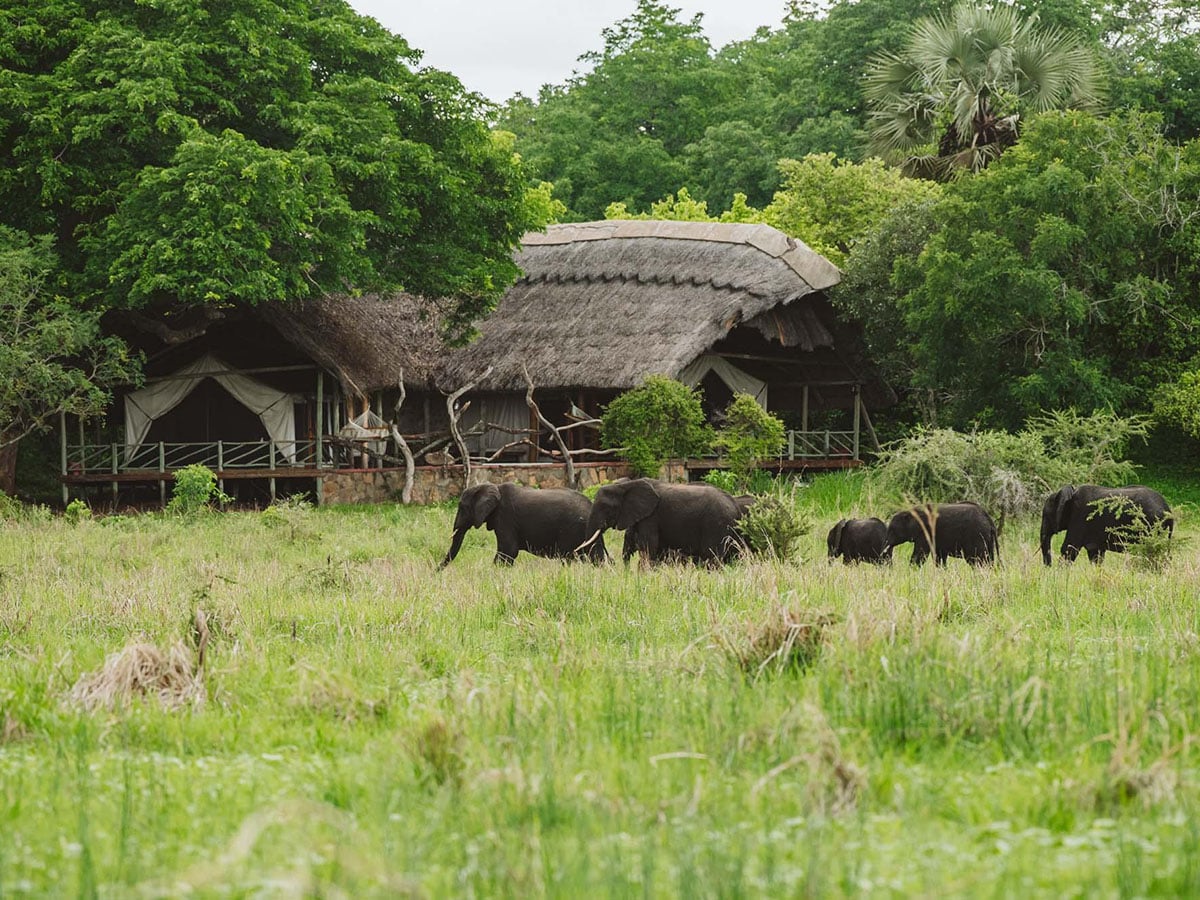
☀ Average July temperatures: Highs: 26°C; Lows: 14°C
July is the perfect time to go on safari in Tanzania. It’s a month or so into the dry season, so it’s easier to spot wildlife as they gather at the rivers and watering holes. The Great Migration in the Serengeti is also underway. This is when huge herds of wildebeest cross the Mara and Grumeti rivers, facing predators like crocs and lions. It’s one of the most dramatic spectacles you can see on African safari, and July typically marks the start of it.
The warm (cool by African standards), dry and less humid conditions are well suited to other outdoor pursuits, like camping or climbing Mount Kilimanjaro. If you like the idea of combining beach and bush, Zanzibar’s white sand beaches, colourful reefs and island vibes are in easy reach.
July and August are peak season so you can expect higher prices, busier reserves and you’ll need to book quite far in advance. Visiting in July is slightly better for couples and honeymooners, who can come earlier in the month to avoid the influx of families once schools break out. While we’re usually big advocates of travelling out of high season, for a once in a lifetime experience you want the conditions to be at their best, and July in Tanzania always delivers.
Where to stay in Tanzania
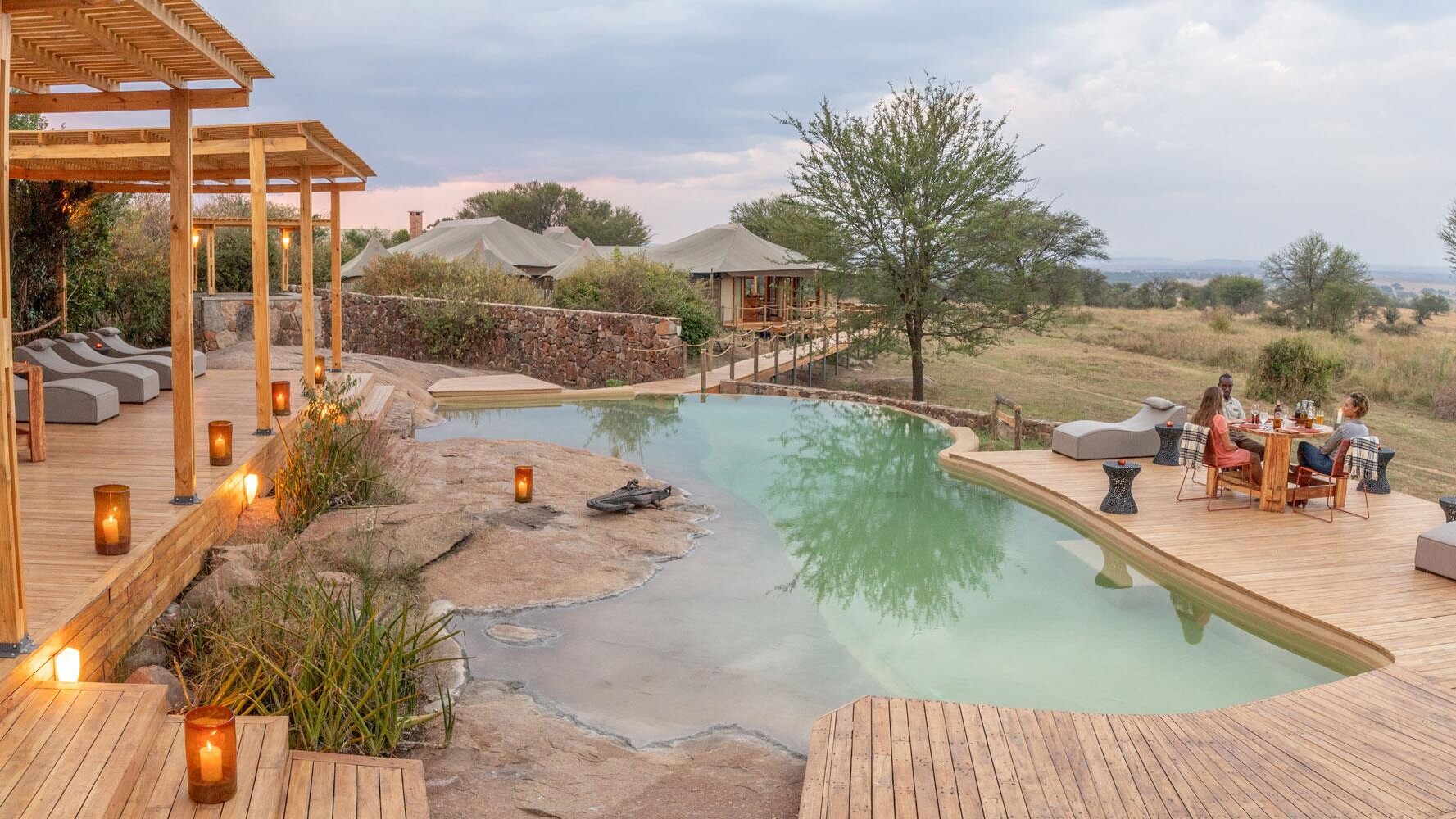
Sayari Camp
Get closer to the Great Migration at this luxury camp in the wildly beautiful northern part of the Serengeti.
Best for: Romance and river crossings
Prices from: Depends on itinerary
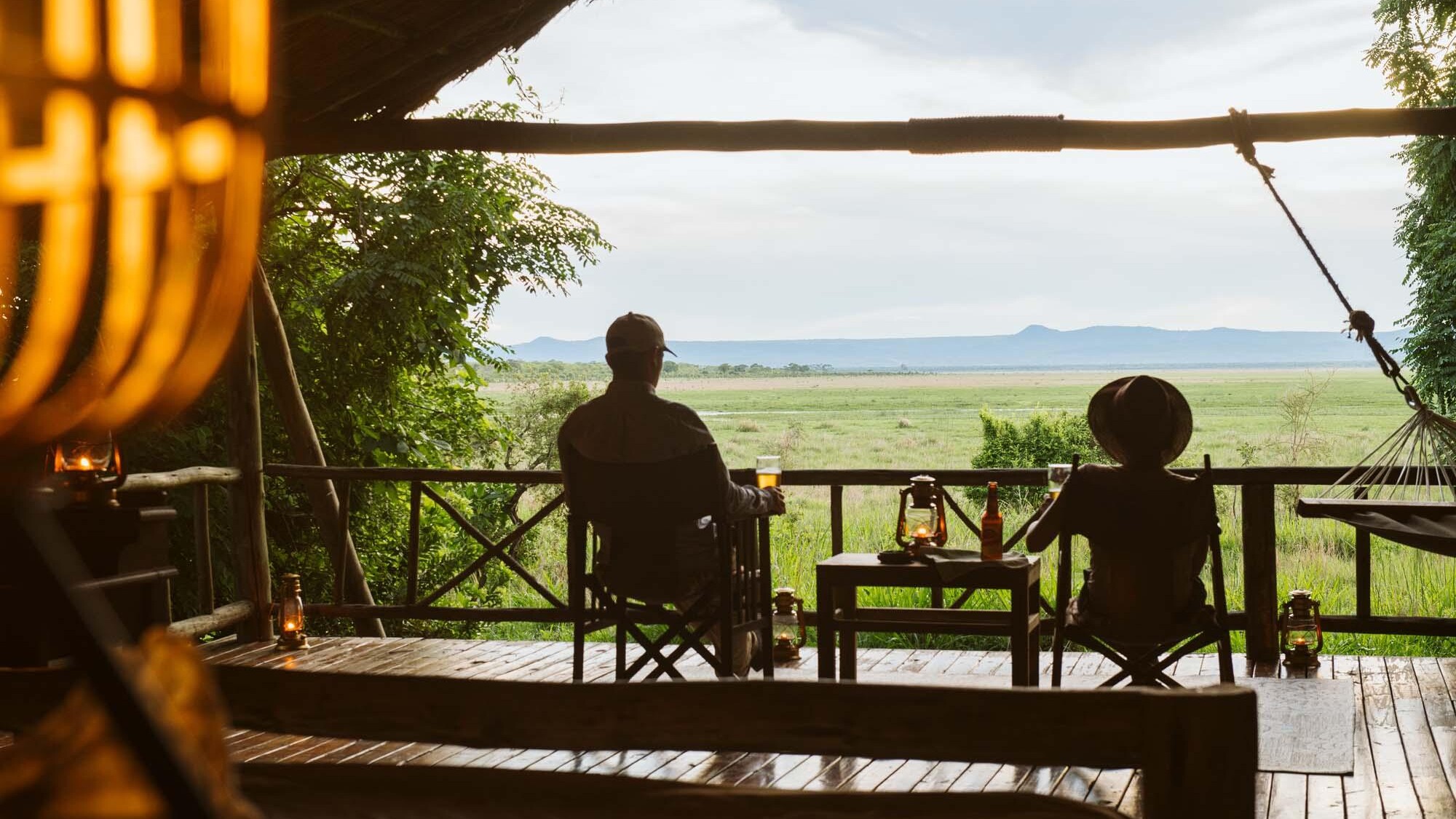
Katavi Wildlife Camp
The ultimate off-the-beaten-track safari destination - and you’re surrounded by wildlife the moment you arrive.
Best for: Crowd-free drives
Prices from: GBP 735 per tent per night. Itineraries available
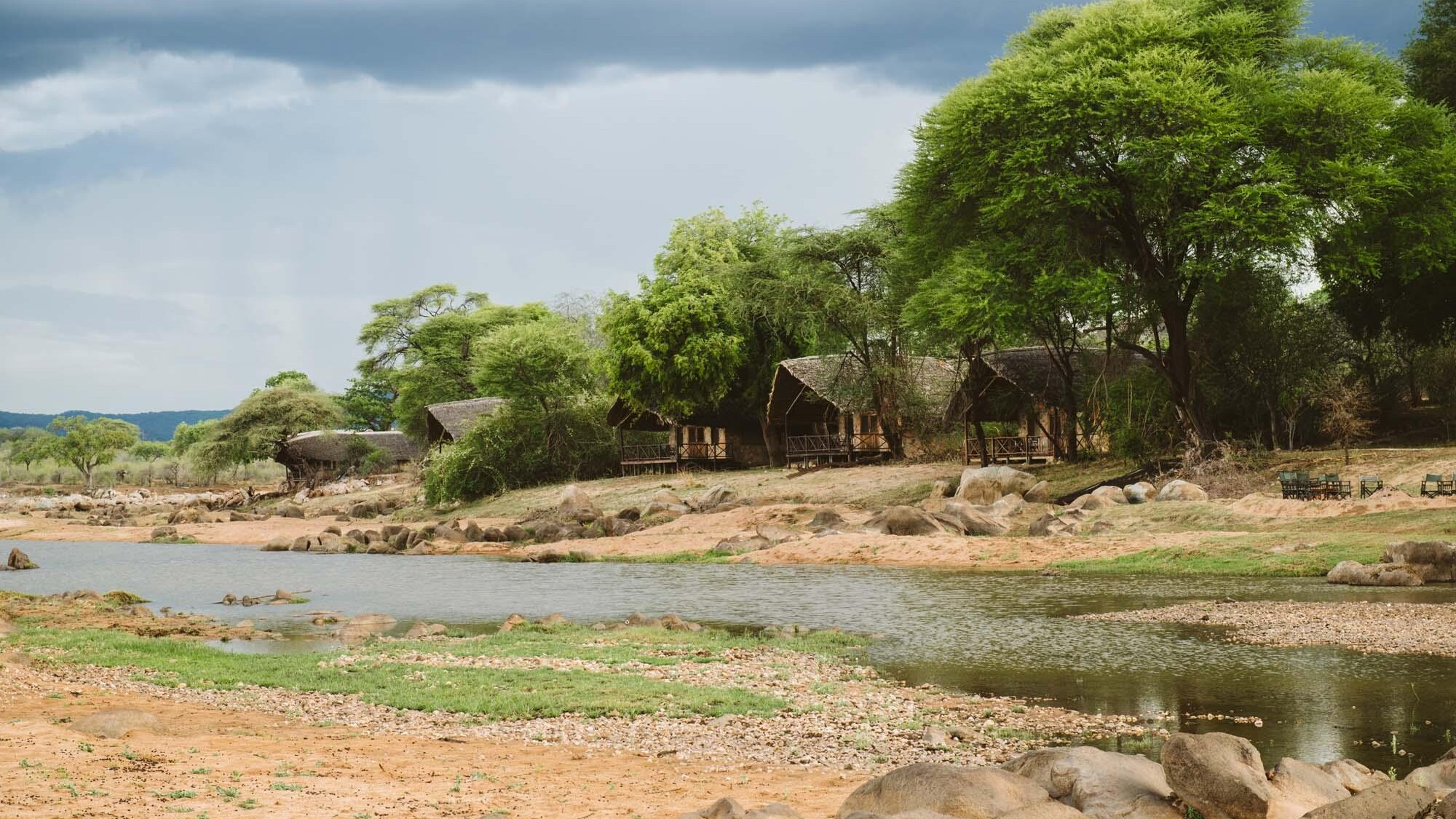
Ruaha River Lodge
A fabulous lodge in Tanzania's extraordinary Ruaha Park, where an unrivalled wildlife spectacular awaits you.
Best for: Watching wildlife from your room
Prices from: GBP 673 per tent per night. Itineraries available
Where to go in …
Date published: 06 Jun 2025
Last updated: 22 Jul 2025