


Last October, Ben and a friend took off to Porto for a long-weekend city break. Neither had been before, both had heard plenty of people rave about it, and by the end of their first afternoon they could see what all the fuss was about.
Porto is one of those cities that manages to feel both very familiar and completely itself. There are the obvious things you’re supposed to do: the port houses, the bridge, the tiled train station, the bookshop, the river cruise, the sunset viewpoint. My advice? Don’t be too cool for any of them. Yes, some parts of the city are firmly on the tourist trail, but most of the big-ticket sights are popular for good reason, and Porto wears the attention well.
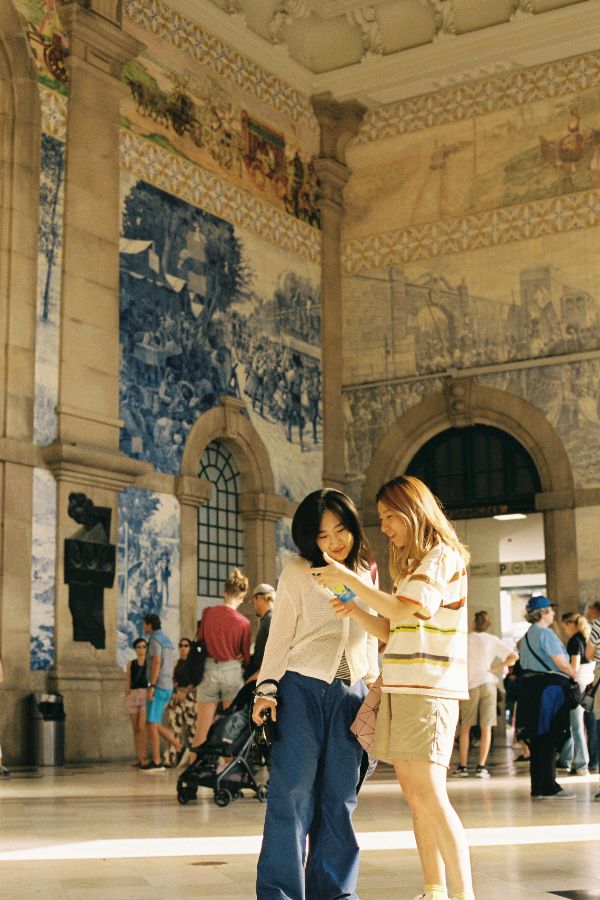
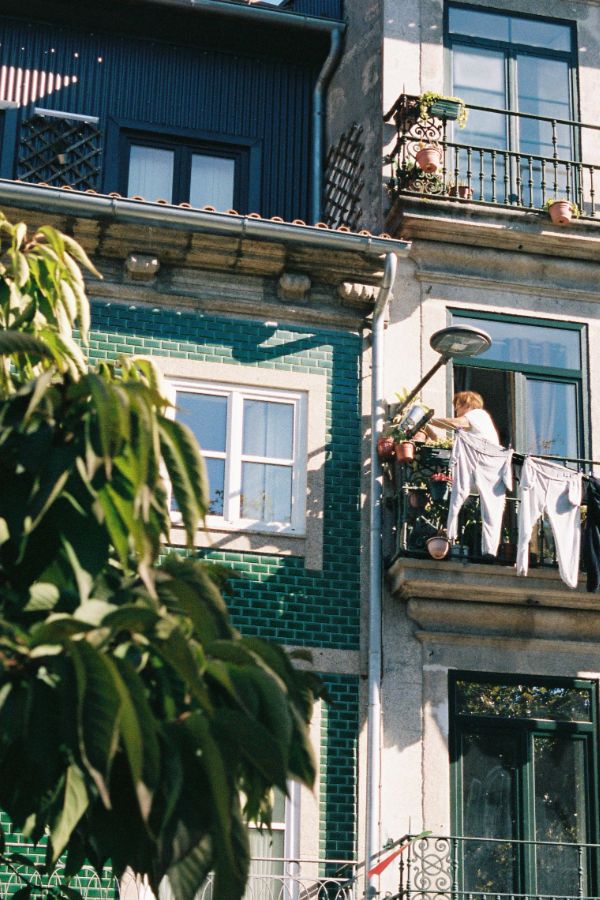
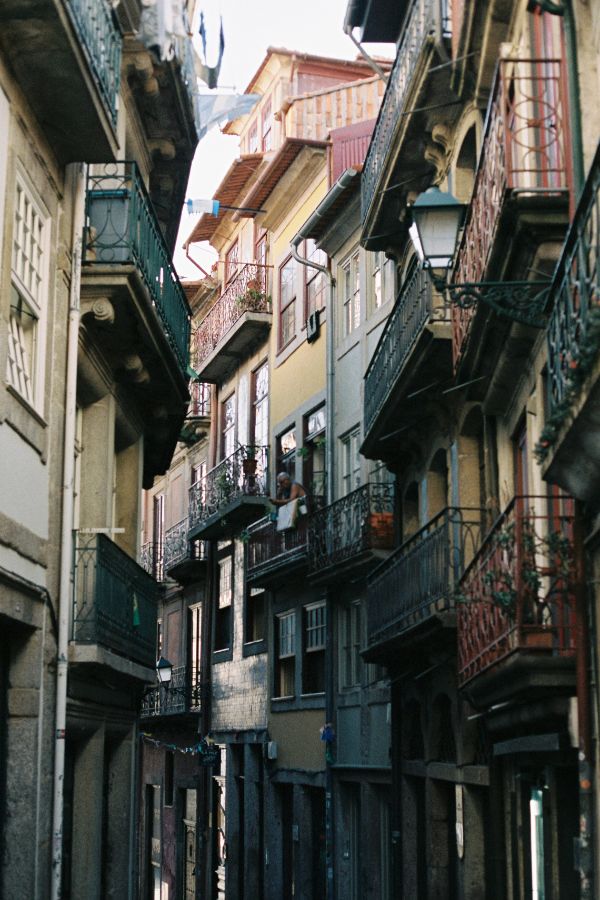
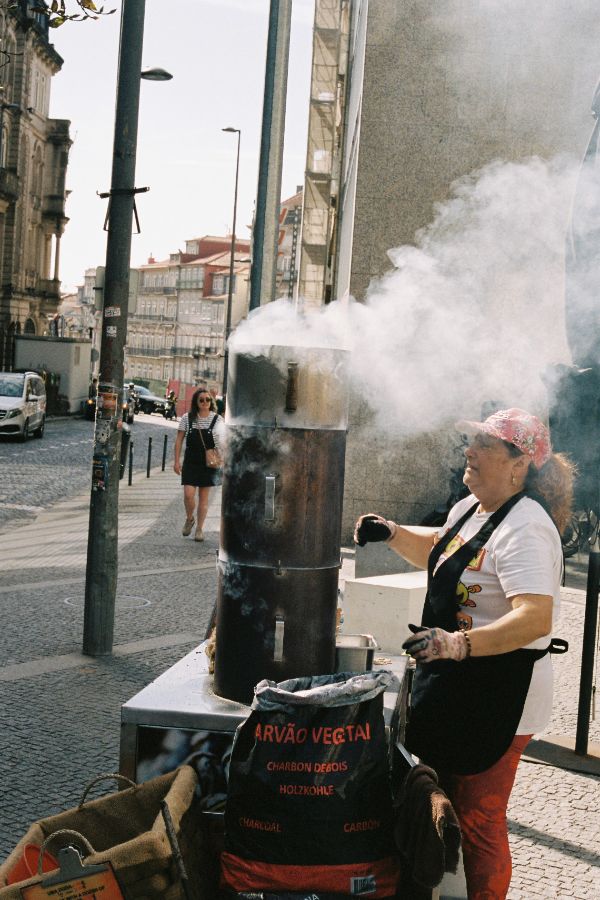
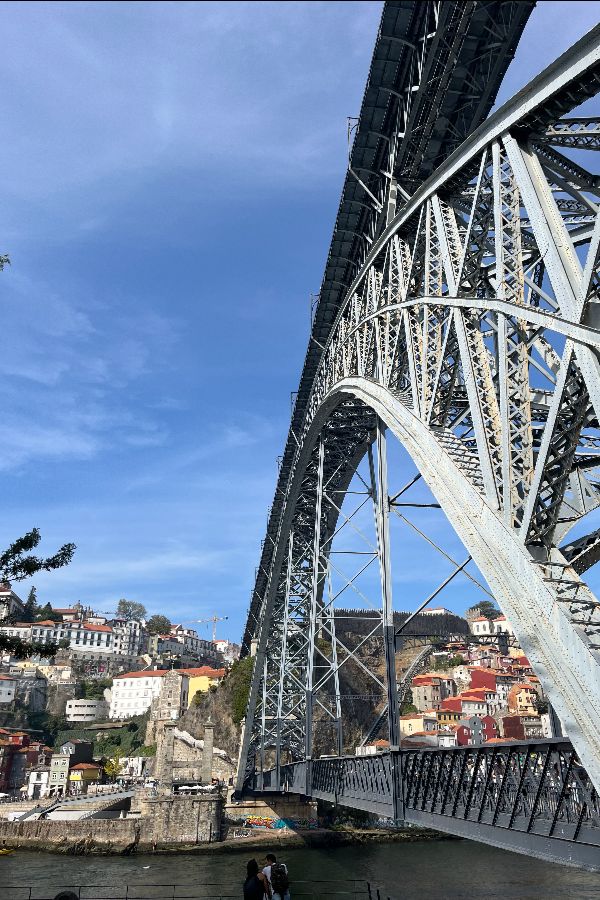
What I hadn’t expected was how photogenic it would be. My friend had brought along a 35mm film SLR camera, something he hadn’t really used before, and it ended up shaping the trip in a lovely way. Instead of snapping everything on our phones, then checking, deleting and retaking, we slowed down. We looked for one good frame: washing lines above narrow alleys, port-house logos across the river, late sun on Dom Luís I Bridge. We couldn’t review the results until we got home, which made it feel more like collecting memories than content.
Stop 1: Rosa Et Al Townhouse
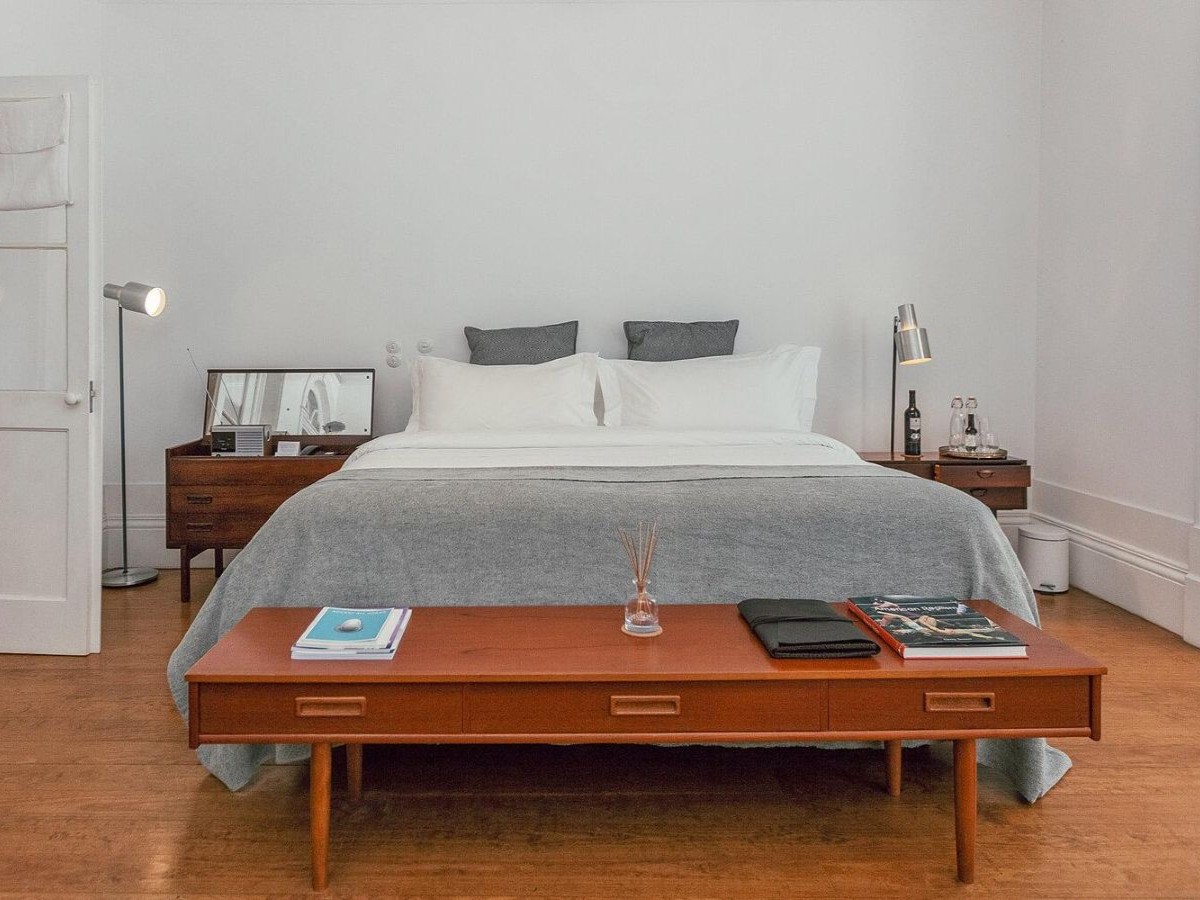
Our first base was Rosa Et Al Townhouse, a stylish little B&B in Cedofeita, close to the gallery-studded Rua de Miguel Bombarda. It’s a quieter part of town, around 15 minutes’ walk from the riverfront, and that suited us well. Porto is compact enough that you can dip into the main hubbub, but it was nice to retreat somewhere calmer at the end of the day.
Rosa Et Al feels very Porto: creative, slightly hidden, design-conscious without feeling glossy. The townhouse mixes period features, mid-century furniture and contemporary Portuguese touches, and there’s a lovely sense of old building meeting new ideas. The gallery wall beneath the atrium is impossible not to photograph, particularly if you’re travelling with someone suddenly obsessed with film cameras.
The hotel’s concept store, Earlymade, sits next door and reflects the same aesthetic. Breakfast was small but excellent, with a short à la carte menu of eggs, pancakes and other brunchy bits, and the garden at the back was a real bonus. A quiet beer there before heading out for dinner felt like exactly the right way to ease into the city.
Tiles, tourists and the Douro
Porto is a city of hills, tiles, viewpoints and sharp changes of mood. One minute you’re in a handsome square or outside a grand church, the next you’re squeezing down a steep side street between crumbling walls and cafés full of locals. It can feel polished and heavily photographed in places, especially around Ribeira and the bridge, but it never felt bland. There’s still an edge to it, and enough roughness around the corners to keep it interesting.
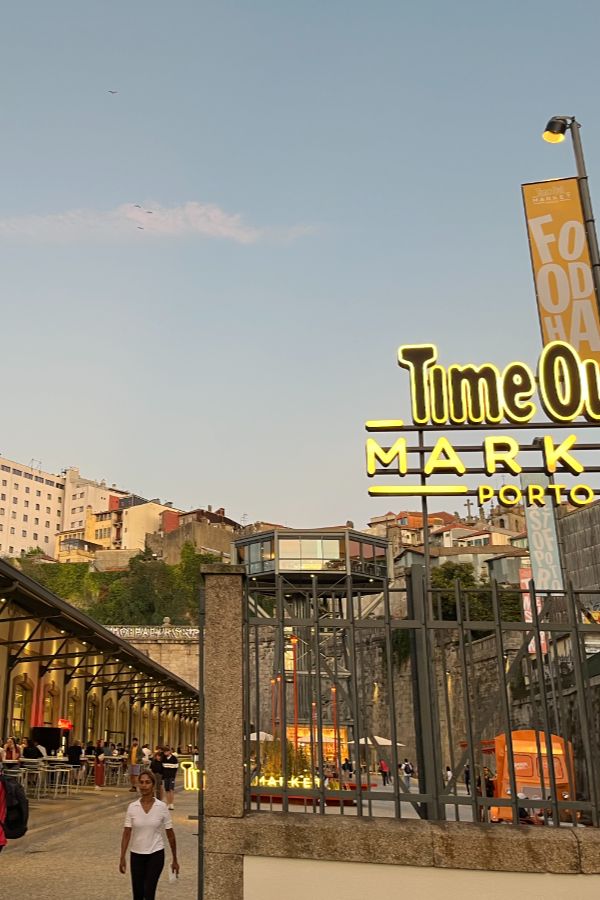
São Bento station is the obvious early stop. The tiled entrance hall is genuinely beautiful, and now that the Time Out Market has opened in the station’s south wing, it’s an easy place to combine a bit of sightseeing with lunch. Manage expectations if you know the Lisbon version, which is bigger and more of an event. Porto’s is smaller, but it’s convenient and well done.
From there, wander down towards the Douro. The river is the city’s great stage set: boats nosing along the water, the bridge arching overhead, and Vila Nova de Gaia facing you from the opposite bank with all those famous port-house names stacked up like a film set.
Stop 2: 1872 River House
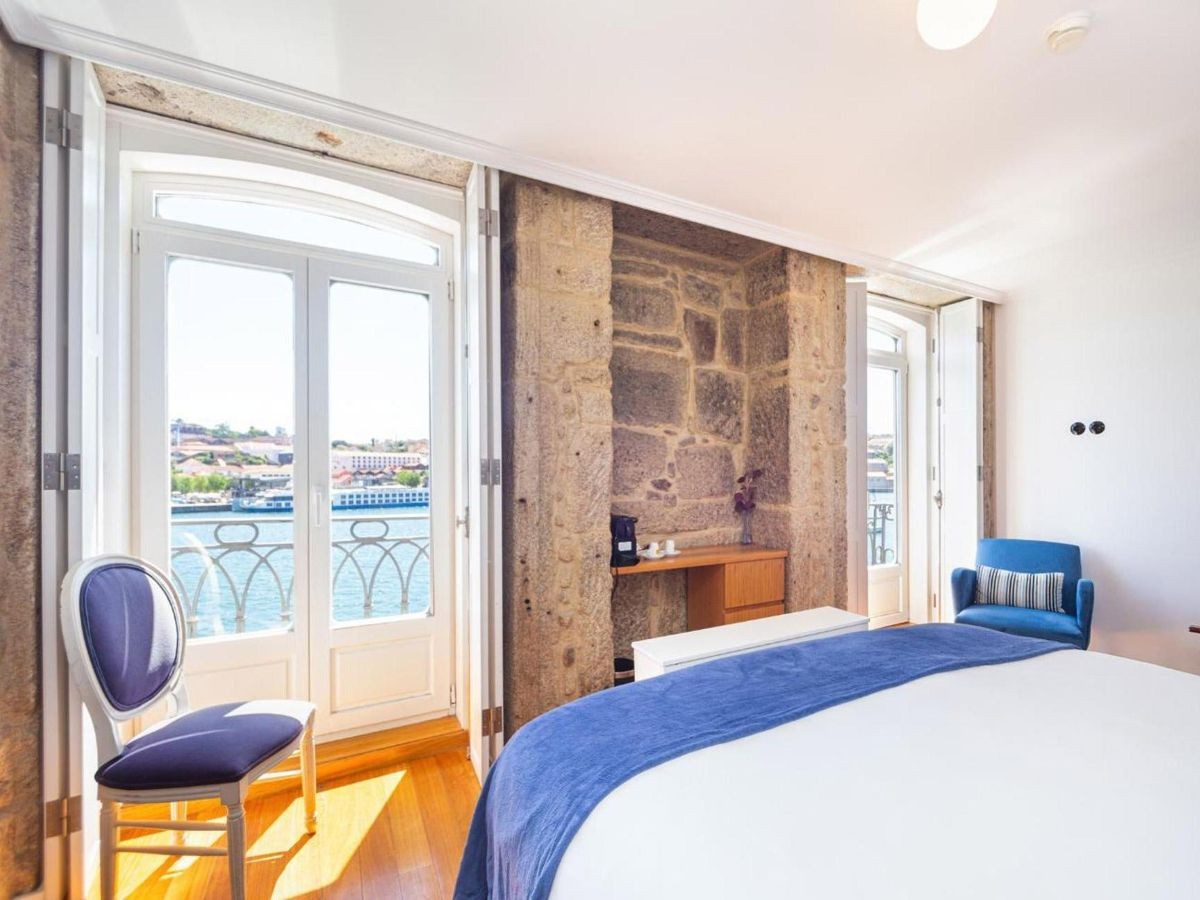
Our second stay was 1872 River House, right on the waterfront in Ribeira. After Rosa Et Al’s arty neighbourhood feel, this was Porto in full postcard mode: river views, old stone walls, boats passing below, and the city’s most famous sights within easy reach.
It’s a discreet, quietly charming B&B rather than a full-service hotel, and that’s very much part of its appeal. The interiors are simple and elegant, with exposed stone, Provençal-style furniture, heavy shutters and a breakfast lounge looking across the Douro. There’s not a huge amount of theatre to the place, but it doesn’t need it. The location does plenty of the work.
The service was the standout. The team were warm, switched-on and full of useful local tips, the sort of people you want to ask where to go for port, where to eat, and what to skip if you’re short on time.
Port, food and the classics
Obviously, the port is delicious. Even if you don’t think it’s your thing, it’s absolutely worth trying here. And if a straight glass of tawny or ruby doesn’t convert you, someone will almost certainly be able to make you a cocktail that does.
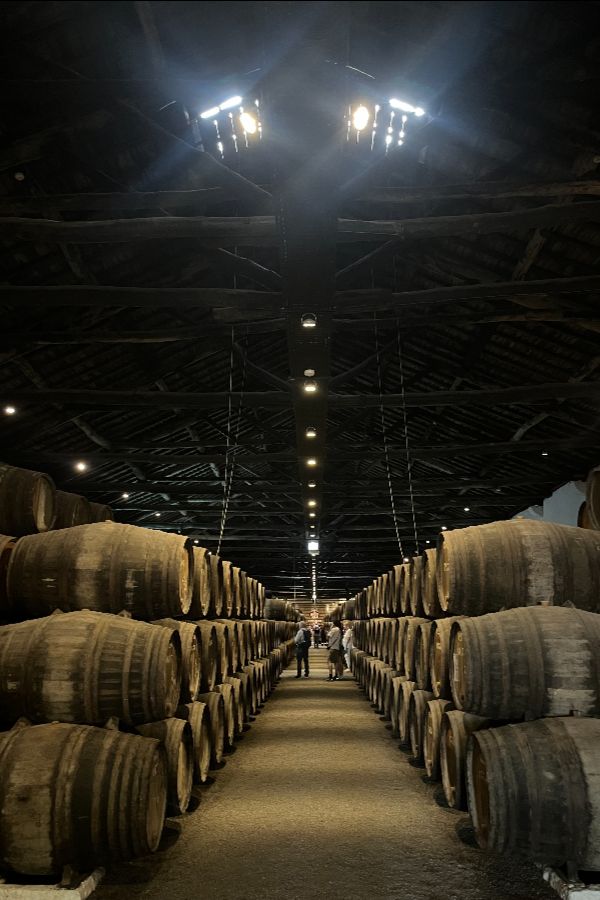
The port lodges of Vila Nova de Gaia are a must. You can research endlessly which one is best, but my advice would be to ask your hotel and see which lodge they’re most excited about. Crossing over to Gaia also gives you one of the best perspectives on Porto, looking back across the river as the city rises steeply in layers.
For sunset, head up to Jardim do Morro or claim a spot on Dom Luís I Bridge. It’s not exactly a secret, but the atmosphere is brilliant: street musicians, people sitting on walls, vendors selling cold drinks, everyone quietly agreeing that this is where you should be at that hour.
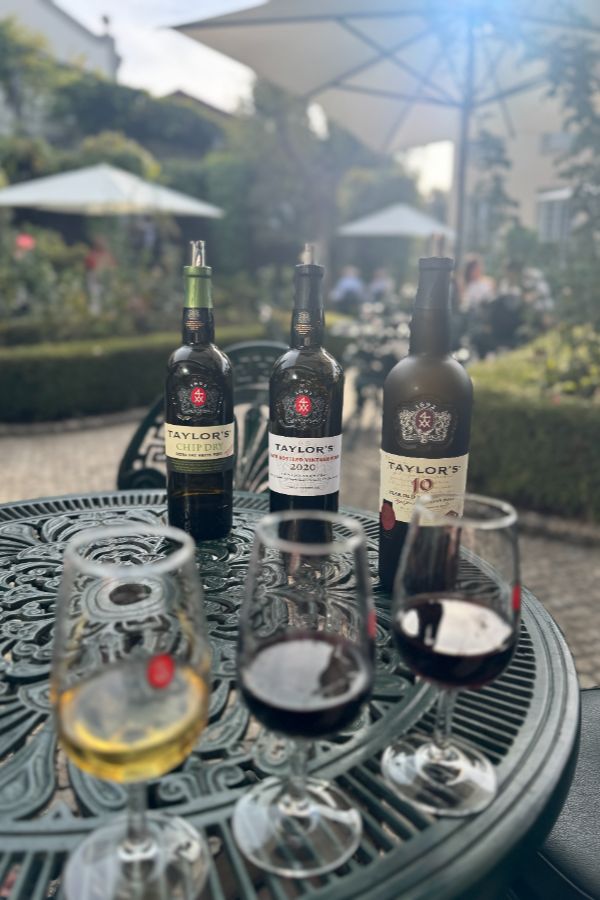
Porto is also a good city for grazing and not overplanning every meal. Pastéis de bacalhau – codfish cakes made with salted cod, potato, egg, onion and parsley – are well worth trying. Then there’s the francesinha, Porto’s gloriously excessive sandwich of meat, cheese and rich sauce. It’s not a light lunch, but it’s exactly the sort of thing you might want after a vigorous port tasting. We had ours overlooking the river with a Super Bock in the sunshine, which felt about right.
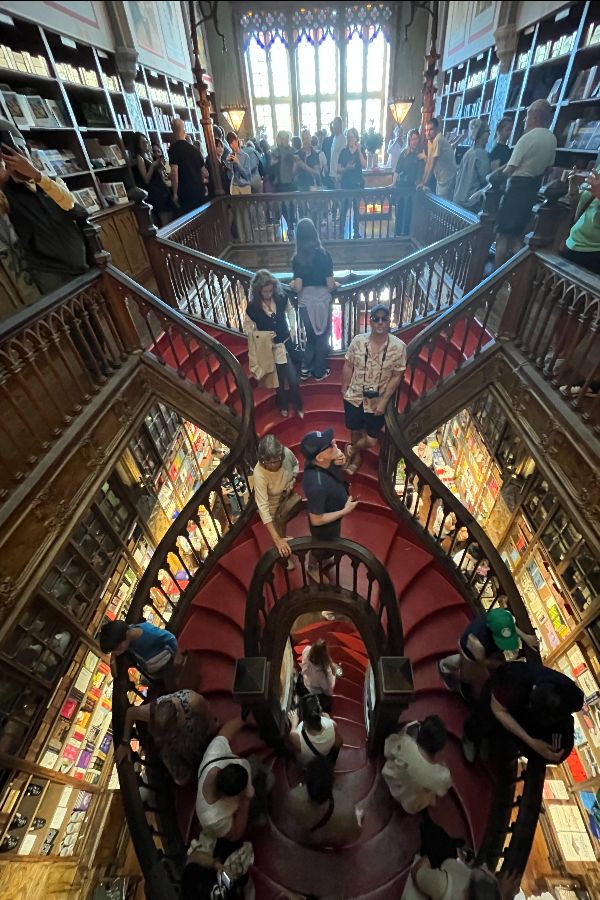
Livraria Lello, Porto’s famous bookshop, is worth it if you have time, but not at the expense of everything else. The interior is spectacular, but it is extremely busy, and there’s a lot of jostling for photos. Book ahead, expect a queue even for your allocated time, and go for the building rather than a browse.
Stop 3: Exmo. Hotel by Olivia
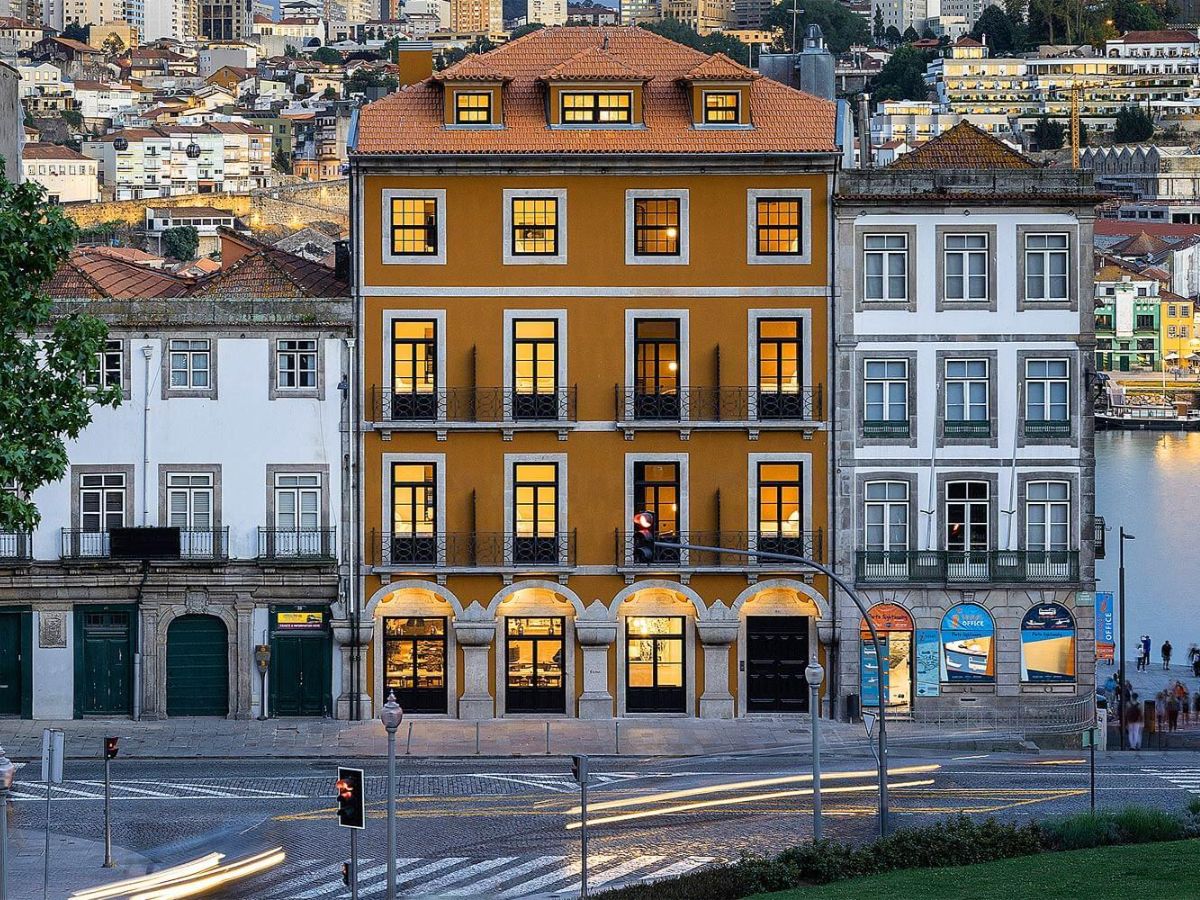
I didn’t stay overnight at Exmo. Hotel by Olivia, but I did get to look around, and it immediately felt like the cool younger sister to 1872 River House. It’s just a short walk away, close to Mercado Ferreira Borges and the river, but the atmosphere is more contemporary and urban.
The building itself is a beauty: an ochre-toned heritage building with exposed stone, big windows, clean lines and a buzzy café-bar. The rooms are modern without losing the character of the old structure, and some have views down towards the Douro. There’s also a basement space used for rotating exhibitions by local artists, which adds to the sense that this is a hotel plugged into the city’s creative side.
For a first-time visitor wanting a central base with a bit of energy, Exmo. would be very easy to recommend.
Sea air in Foz do Douro
For the final part of the trip, we hopped on a short bus out to Foz do Douro, where the river meets the Atlantic. It’s still Porto, but it feels like a different trip altogether. The air changes, the streets widen, and suddenly there are waves, wind, joggers, dog walkers and seaside cafés.
Don’t expect a soft, Mediterranean-feeling beach escape. Foz is wilder than that, especially in October. The Atlantic was doing its thing: big waves, bracing winds and a sense that the weather could change its mind at any moment. But after the enclosed drama of the old town, it felt open and cleansing.
Stop 4: Boutique Apartments Porto
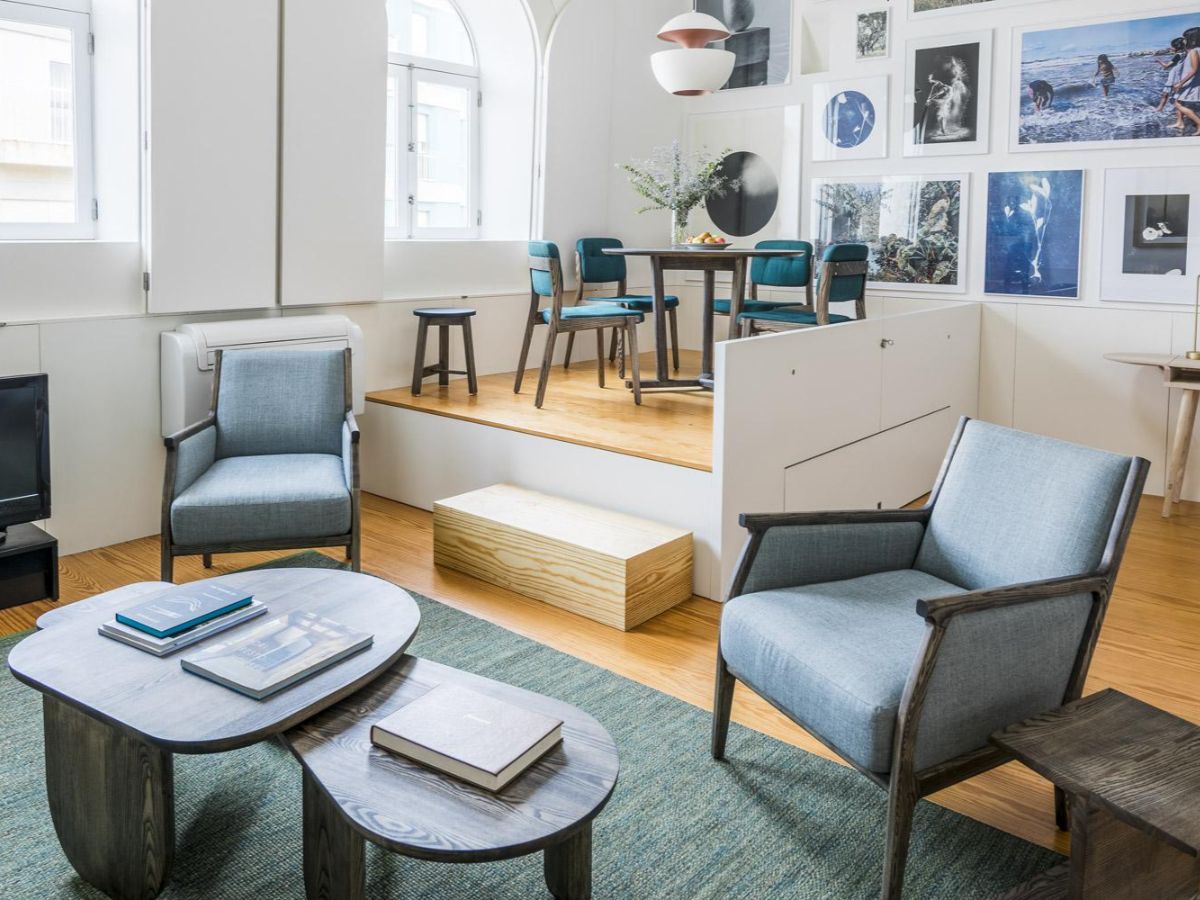
Boutique Apartments Porto are a fantastic base here: five cleverly designed self-catering apartments in a 19th-century seafront building. Ours had a hidden pull-out bed beneath a raised dining platform, which meant you could sit and eat with a sea view, then transform the room when needed. The mezzanine sleeping area felt private while still being part of the space, and falling asleep to the sound of the Atlantic was bliss.
Breakfast arrived in a bulging hamper: pastries, fruit, cheese, ham, yoghurt, juice, enough for breakfast and probably lunch too. We hired bikes and followed the coast, which I’d really recommend. It’s easy, breezy and a great way to see another side of Porto, with parks, boardwalks and sea views along the way.
Final thoughts
Porto is very easy to like. It’s beautiful, walkable, delicious, affordable by many European city-break standards, and packed with things that are genuinely worth doing. It can feel mainstream-touristy in places, especially around the bridge, Ribeira and Livraria Lello, but I didn’t find that a reason to avoid them. The city’s icons are part of the fun.
For a first visit, I’d split your stay if you can: a couple of nights in the centre, then a night or two out by the sea. Stay at Rosa Et Al if you want an arty, design-led base in a quieter neighbourhood; 1872 River House if you want charm and a front-row river view; Exmo. if you want something central, stylish and contemporary; and Boutique Apartments Porto if you want independence, sea air and a softer landing at the end of the trip.
And take a proper camera, if you have one. Porto deserves more than a scroll of throwaway phone shots.
Date published: 18 Jun 2026