

Our Editor reports back on her long weekend in Tuscany, from two days and a sumptuous stay in Florence to some exploration and relaxation in the countryside.
Every year, over 3 million tourists flock to Florence. Swarming at the foot of the Duomo; queuing outside the Galleria dell’Accademia di Firenze for a glimpse of Michelangelo’s David; jostling to get a bite of the city’s best sandwich, oldest affogato or most authentic gelato.
But there’s another side to this ancient city – a quieter, slower side – where the Aperol spritzes are sipped in parks, shoulder to shoulder with locals. Where restaurants are full of big, boisterous families, and the only queues you stand in are at the butchers or local grocers. I’d been to Florence before, lugging my backpack around in the summer heat on a whirlwind tour. I’d seen the sites – now I wanted to be a part of the scene.
So, after arriving on the train from Pisa, my husband and I strolled – rather smugly – through the bustling centre, into the leafy Le Cure neighbourhood on the city’s north-eastern edge.
Days 1 & 2:Florence
This Time Tomorrow in Florence
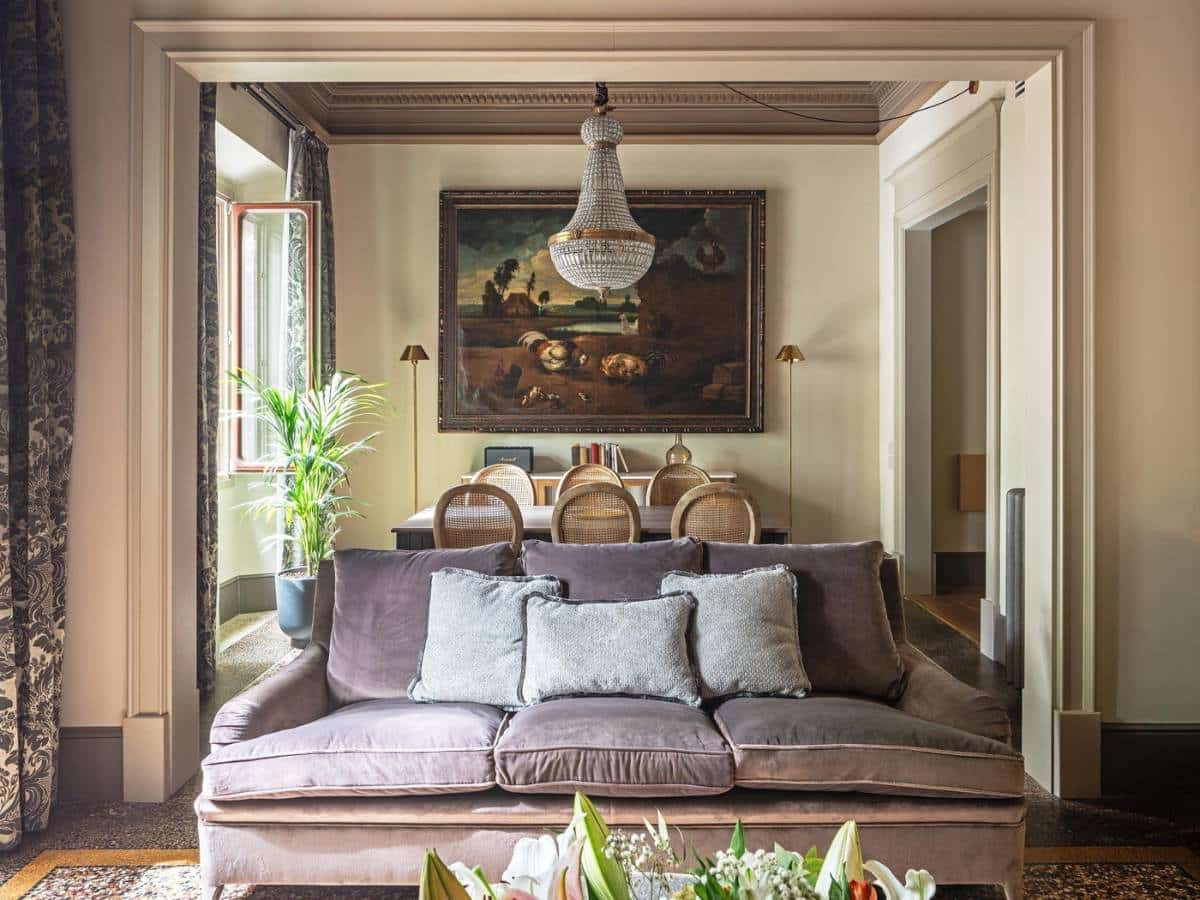
The entrance to This Time Tomorrow in Florence is elegantly understated, on a tree-lined, sun-dappled road. There’s a tram stop right around the corner, and it’s just a twenty-minute walk to the Duomo, but it feels worlds away. Inside, its glamour unfolds with beautifully tiled floors, a golden chandelier, and a museum-worthy painting hanging on the wall behind reception. We were greeted by the lovely Francesca and Eric, the local curator who crafts all the guests’ tailored itineraries, who ushered us into a shiny brass lift that slowly ascended to 1AM.
And no, we weren’t time-travelling. Each apartment is cleverly named after a time of the day, 1AM and 1PM are on the first floor, 2AM and 2PM on the second (you get the idea). Then there’s Crepuscolo (dusk) and Mezzanotte (midnight), etc. etc.
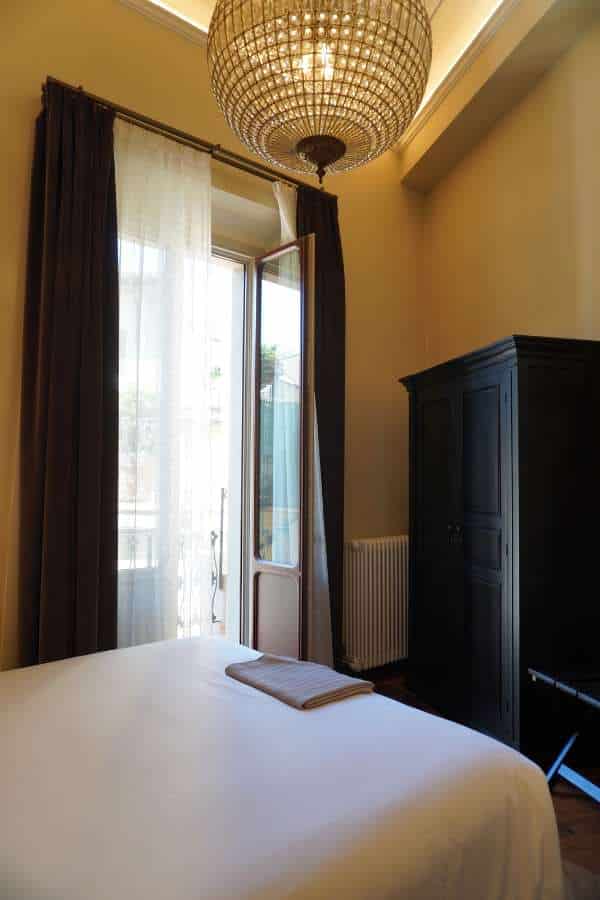
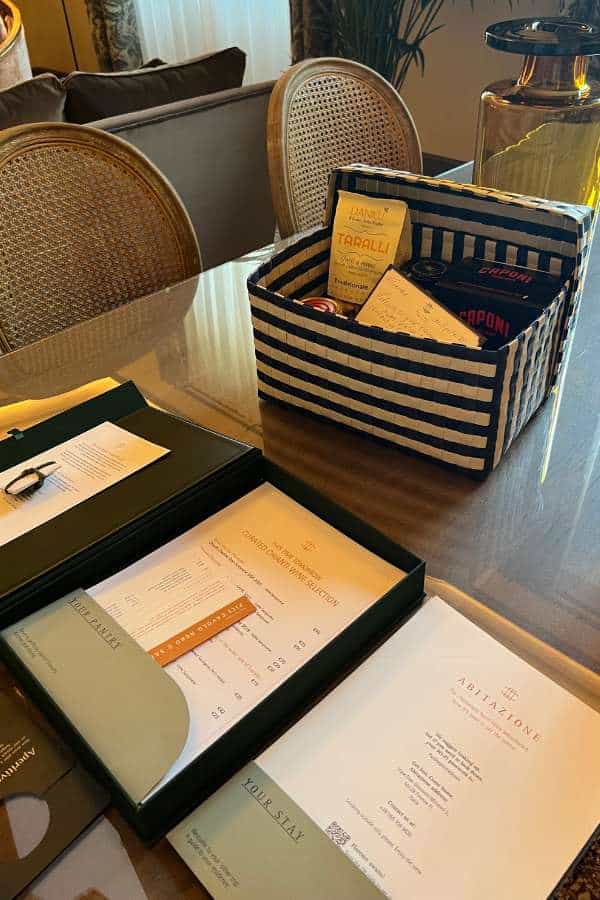
The apartment was sumptuous, spotless, serene, impeccably restored and furnished. We oohed and ahhed over the elegant hardwood and tiled floors, vibrant frescoes, crystal chandeliers, terracotta terrace, and polished marble ensuites. In the welcome hamper waiting on the dining table, we found pasta, jars of ragu and tomato sauce, artichokes, snacks, a bottle of Chianti, and a small jar of honey with slivers of truffle floating inside. In the fridge, a generous hunk of cheese and salami from the local butcher, and a bottle of sparkling wine. If you’re looking for a 5-star experience but with more space, independence and authenticity – this is it.
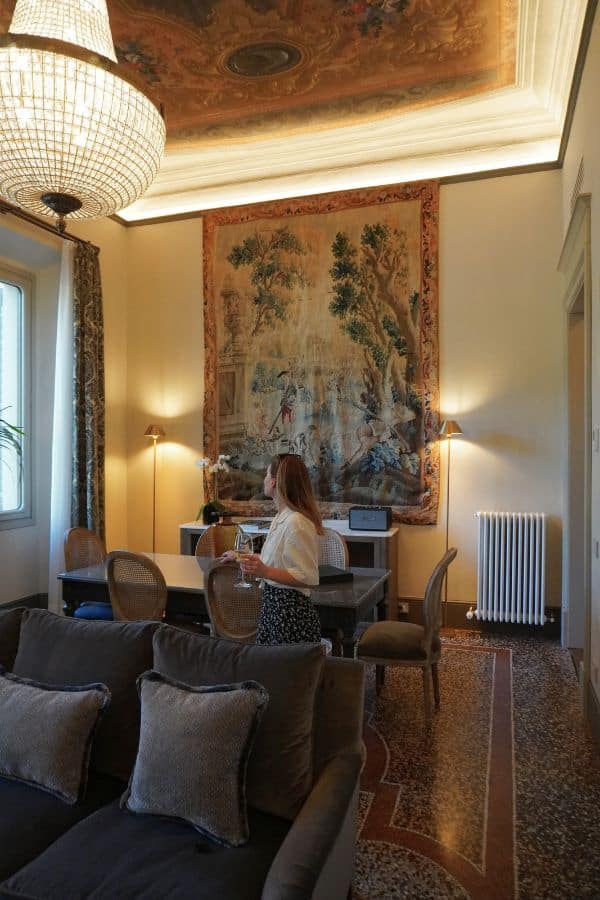
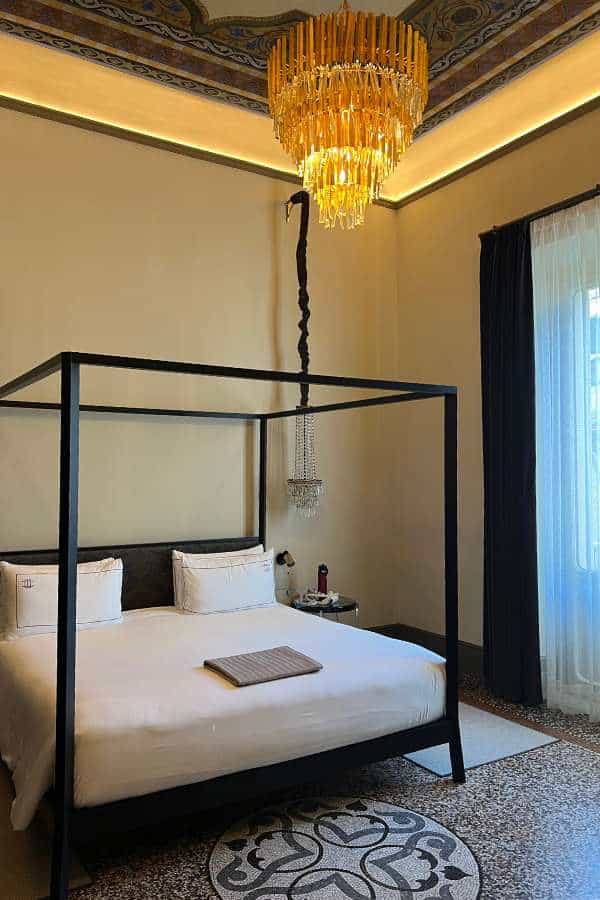
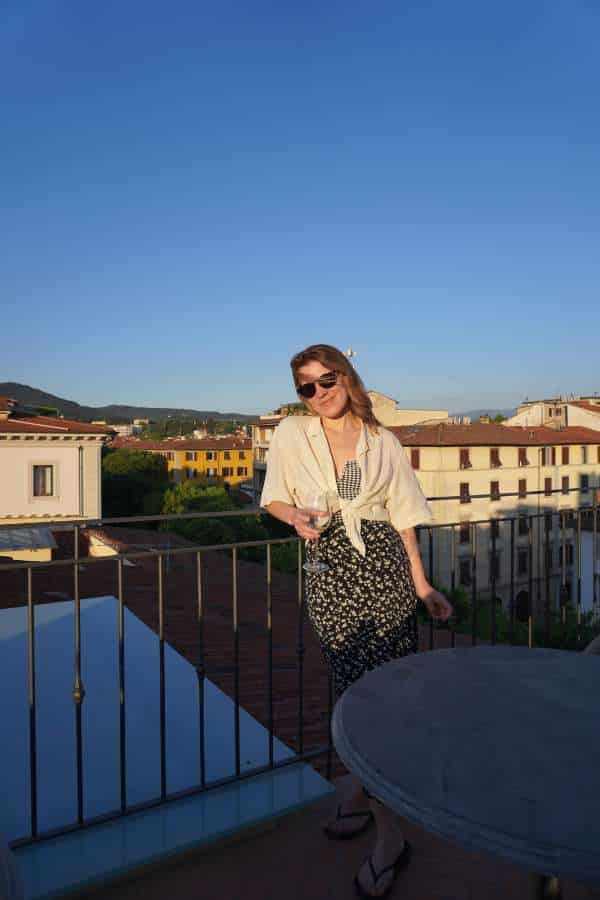
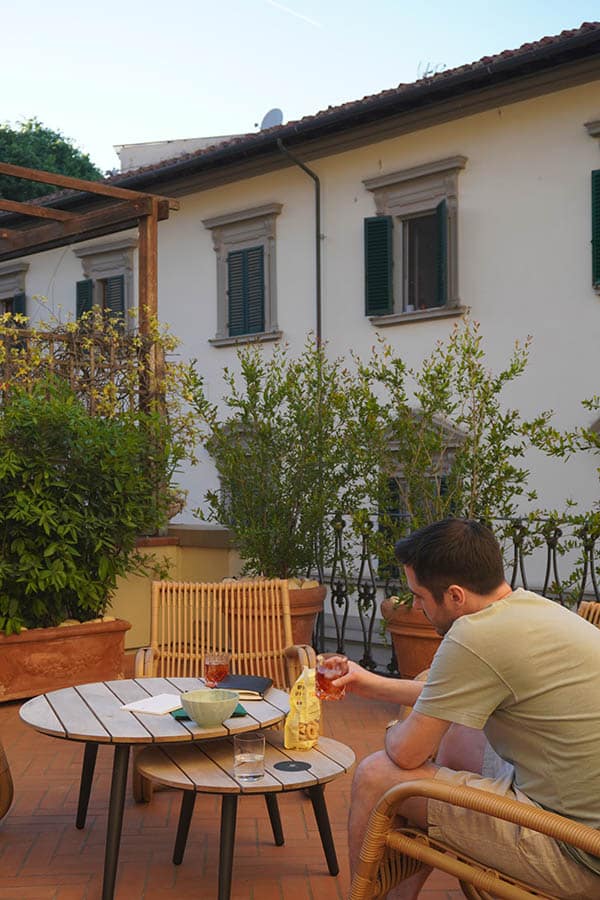
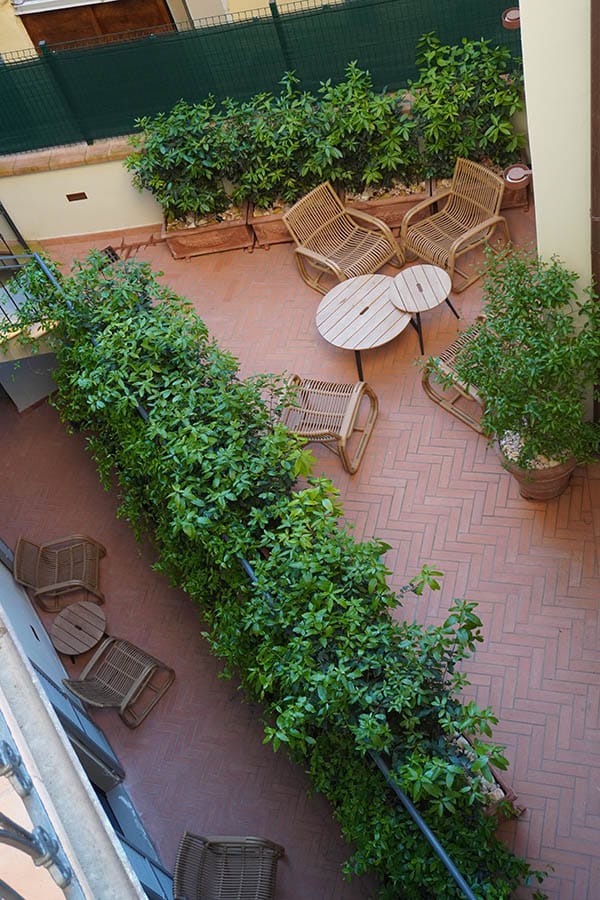
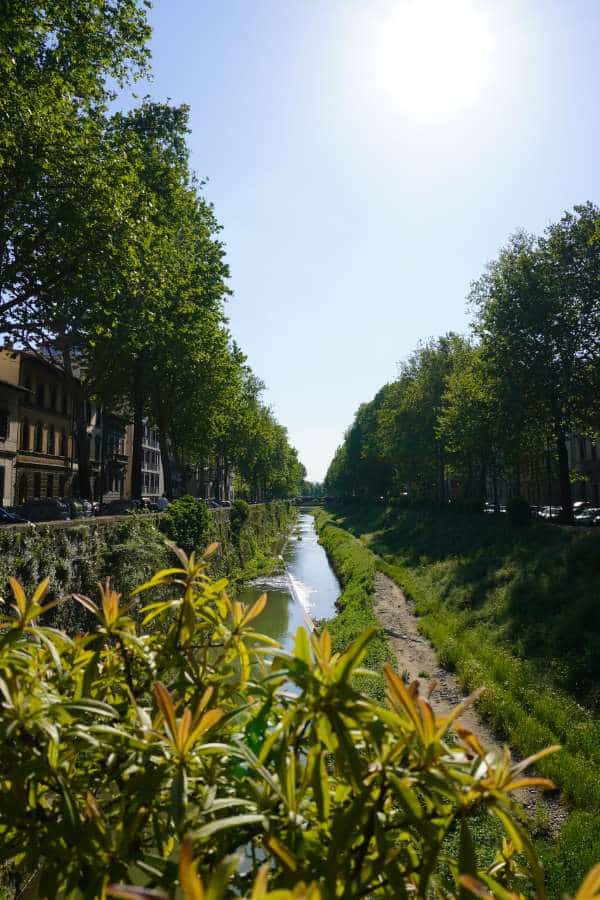
We kicked off our shoes, popped open our bottle of Frizzante and took our glasses out to the terrace to bake in the late afternoon sun. The abbitzione backs onto a sleepy little street, and while I was leaning over the railing, glass in hand, an old woman in a floaty red scarf walked by below, holding a single flower aloft. A pair of arms emerged from a doorway, vigorously shaking a rug, and a couple walked over to a Vespa, the man reaching across to help secure the lady’s helmet. Had we stumbled onto a film set? You would think that Eric was just offstage, orchestrating the perfect snapshot of authentic Florentine life.
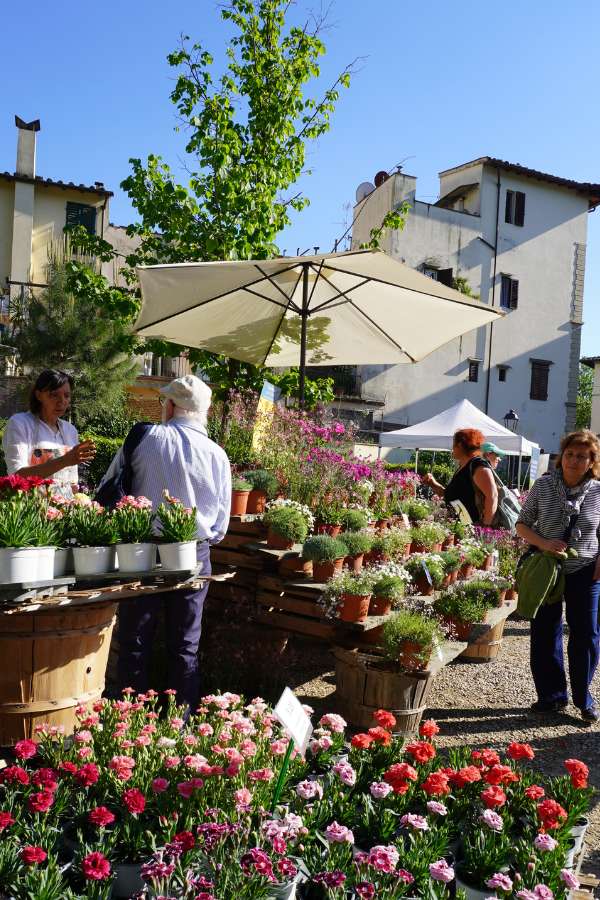
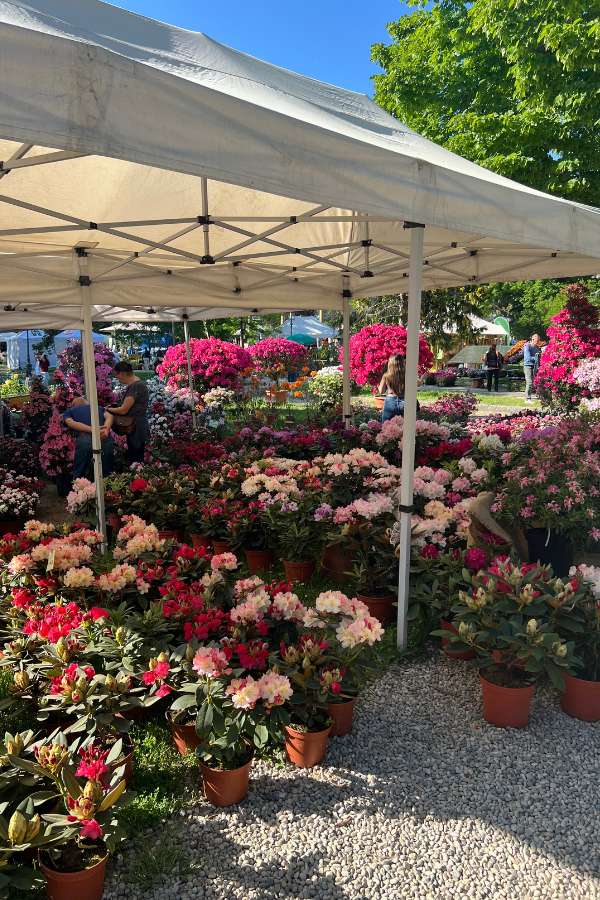
It was so peaceful and idyllic, we almost considered ignoring our itinerary and staying in for the evening. But then I received a message from Eric letting us know there was a pop-up flower market in nearby Giardino dell’Orticultura. Sold. We downed the dregs of our wine and headed out.
The Le Cure Neighbourhood
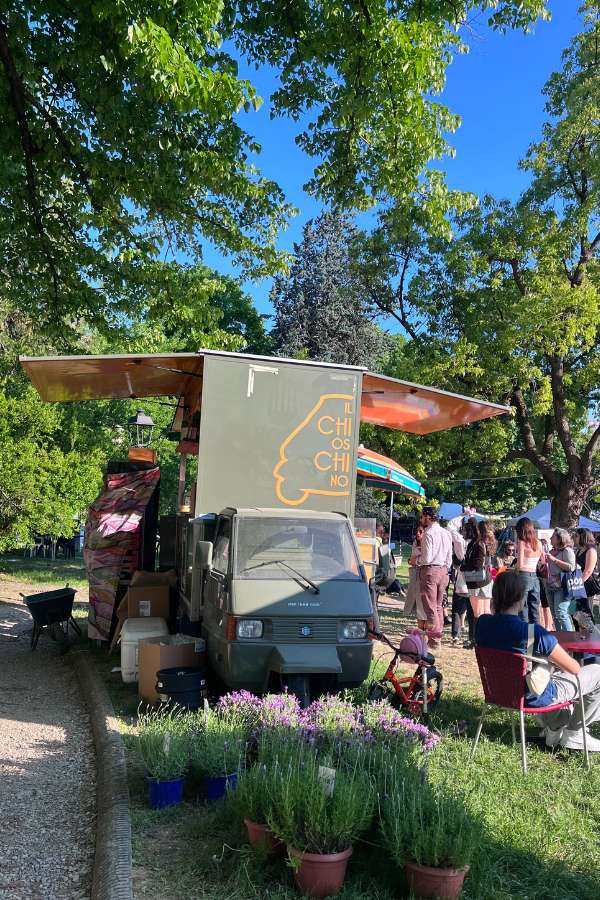
The entrance to Giardino dell’Orticultura was bustling, and the flowers were like nothing I’d ever seen before: massive sherberty roses, pink lilies, stacks of spindly orchids, dense clouds of rhododendron. There wasn’t a hint of English to be heard, just jumbled Italian and music floating on the breeze. We followed it past the botanical house, through rows of little trees weighed down by comically large lemons, to an archway surrounded by lawn games and striped deck chairs. People gathered around a little APA with a bar open on the back, sipping syrupy aperitivos and cold beers while they chatted and chased their children. We ordered two spritzes and found a hay bale to take in the scene.
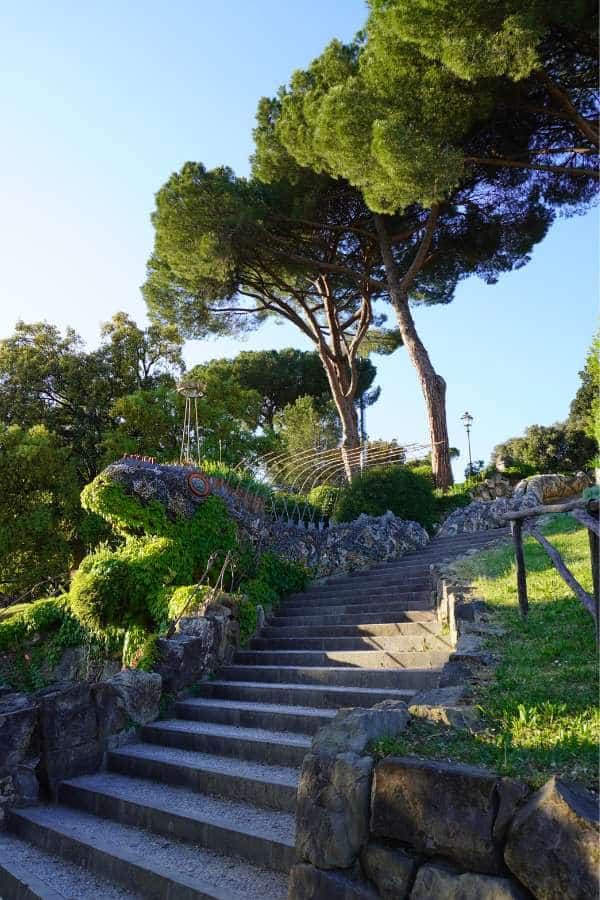
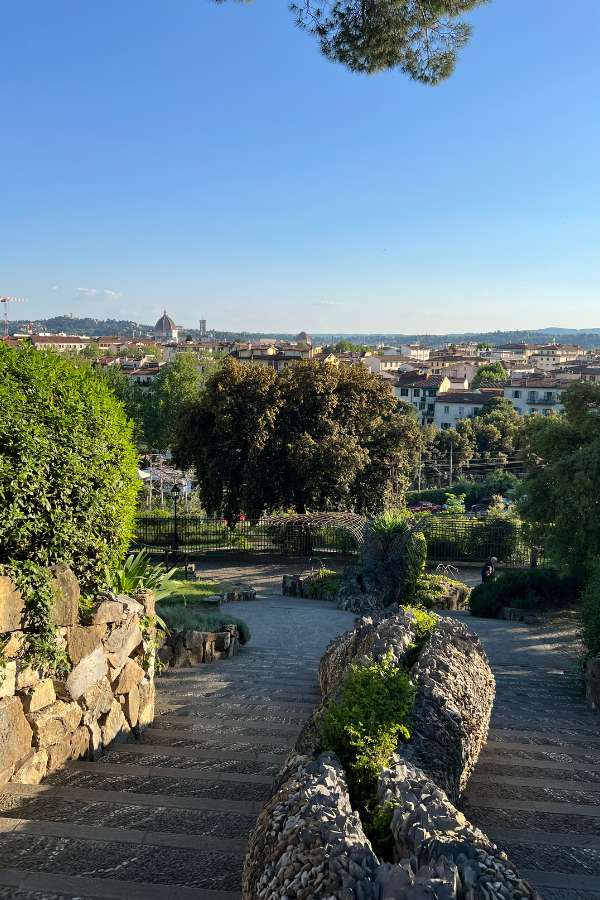
Next on the itinerary was a walk up to the viewpoint for sunset, so we slurped down the rest of our Camparis and headed off. Up dusty paths, under gargantuan stone pines, to a huge dragon sculpture, its mosaic face glinting in the sunlight, water dripping from its leafy green beard. We followed its long body up the stone steps. Here, people strolled along with dogs, couples canoodled on benches and picnic blankets, an artist sat behind a canvas, and Florence spread out before us under the golden light. If you lived here, this is exactly where you’d spend a warm spring evening, and we were happy to pretend we were one and the same.
We returned for dinner at a local family-run restaurant Eric had kindly booked for us, just downstairs from This Time Tomorrow, where the wild boar ragu was rich and hearty and the Florentine steak massive. But the best part by far was all the Italians traipsing in and out, chatting with the owner, and searching for their favourite wine on the high shelves lined with bottles.
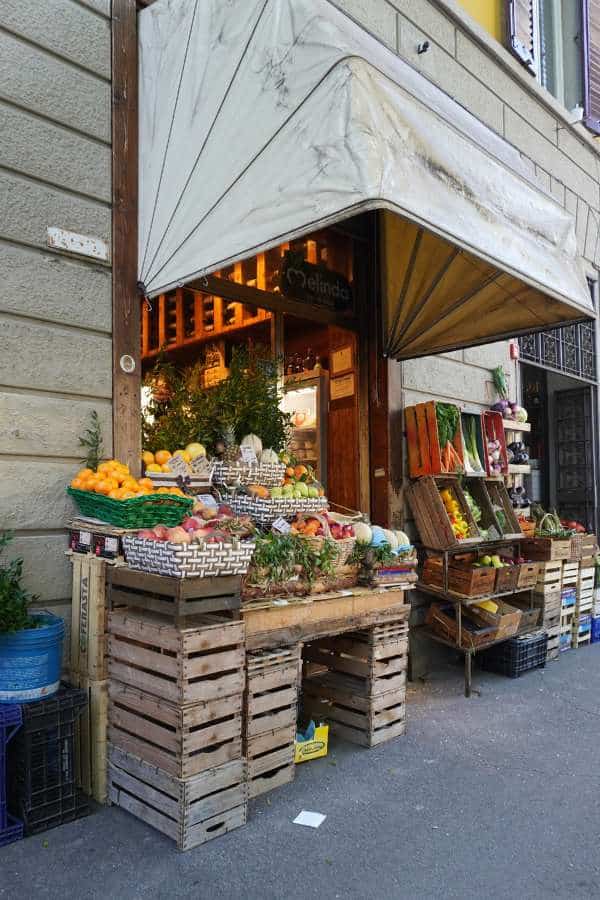
Breakfast is complimentary at This Time Tomorrow, but they don’t have a restaurant. Instead, they send you out to be immersed in the morning hubbub at your choice of two nearby pasticcerias. ‘Just don’t forget your salt,’ Eric reminds us. In our welcome box, atop our personalised itinerary, local recommendations and list of experiences, we found a handful of little white envelopes wrapped in string. Inside, Eric explained, is salt, which Florentine bread is famously baked without. Yet another example of how every detail here has been so carefully thought out and romanticised.
So, the next morning, we took our salt, passed it across the counter at Caffe Liberta, chose our pastries and found a table amongst the locals to sip our cappuccinos in the cool morning breeze. Bellisimo.
Exploring Oltrarno
Our itinerary suggested a private art tour around the city, but I’d dreamt of Boboli Gardens since my first visit nearly a decade before. So we chose our own adventure, and made tracks to the other side of the Arno.
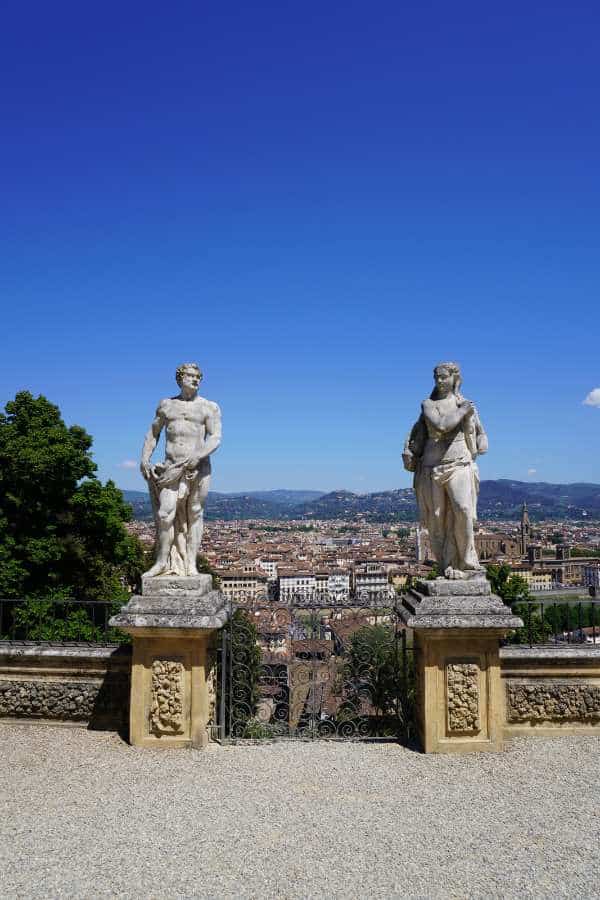
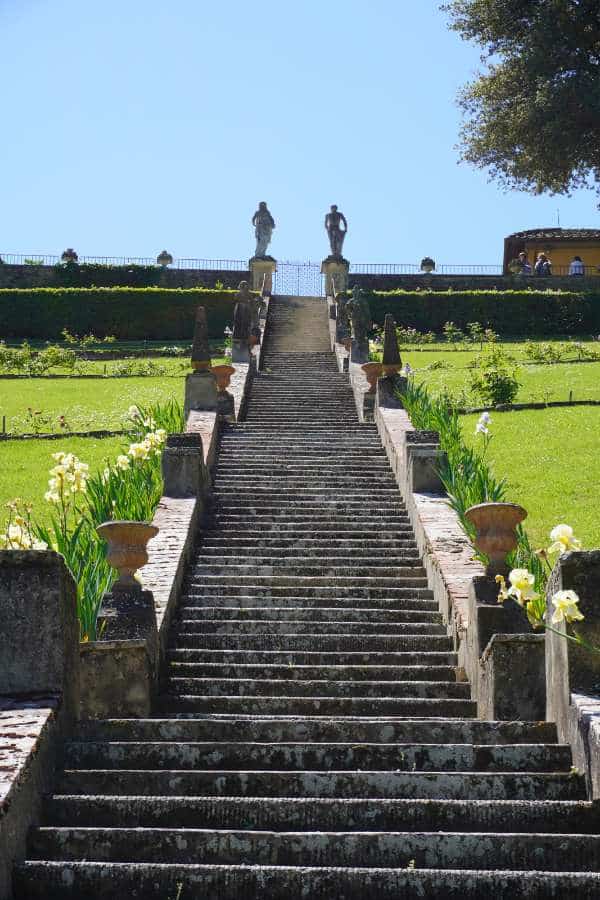
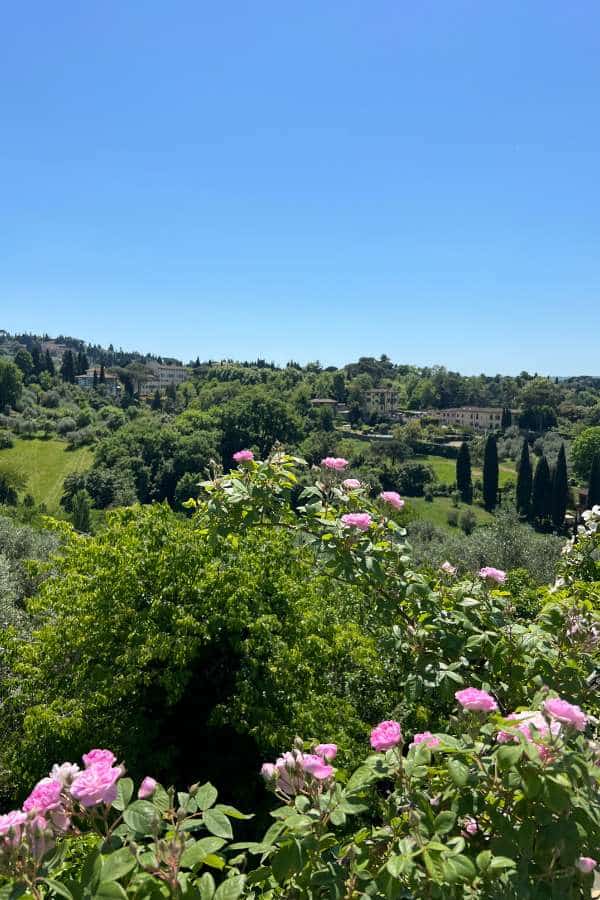
We stopped off in Giardino Bardini first, which many make the mistake of passing by on their way up the steep, winding roads to Boboli. While smaller, Bardini has stunning views, a baroque staircase lined with roses, a wisteria tunnel and 4 hectares of centuries-old gardens to explore. There’s also a picturesque little cafe, which is pricey, but perfect for taking in the view with a coffee or a spritz.
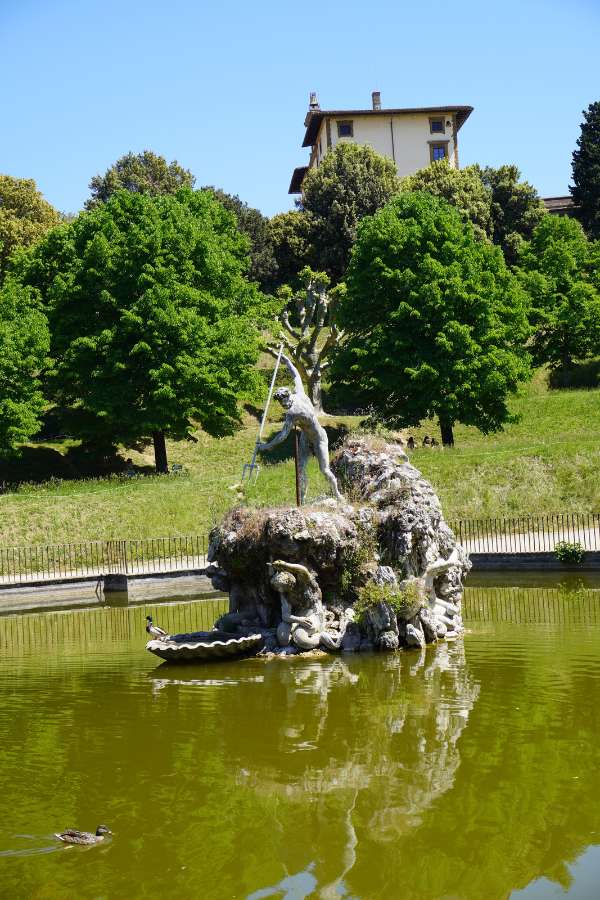
Then on to Giardino di Boboli, which is far from off the tourist map, but so expansive that it rarely feels overly crowded. Originally designed for the Medici family in the 15th century, the sprawling grounds became a prototype for many other European royal gardens, including Versailles. You could easily spend an entire afternoon wandering around this open-air museum, admiring the sculptures, ancient grottos, centuries-old oak trees and whispering fountains.
Lesser-known spots around the Duomo
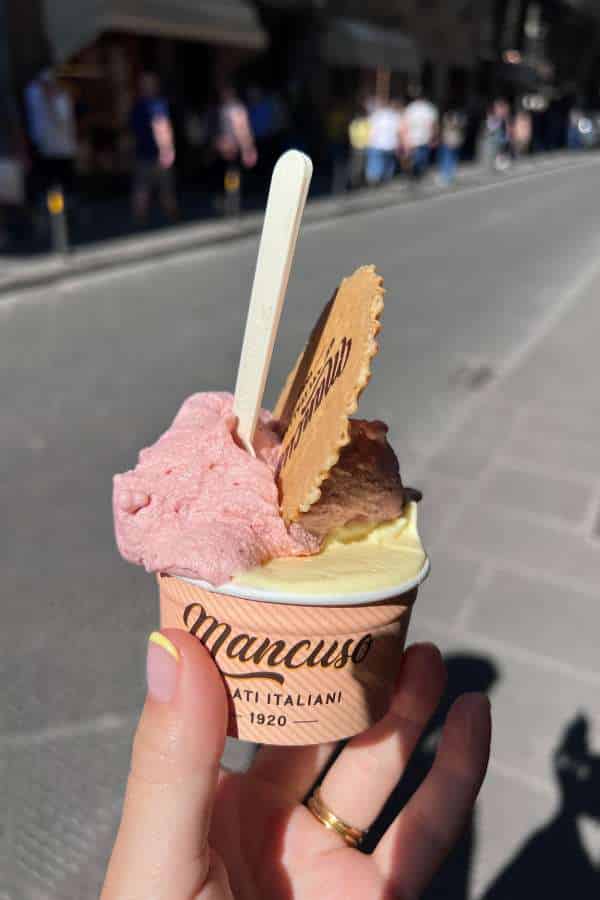
After a leisurely lunch in Oltarno and a gelato devoured as we walked, we made our way back across the Ponte Santa Trinita into the swarming centre. Cinema Giunti Odeon was first on my list. Said to be the oldest cinema in Florence, this is now an operatic bookshop and cafe with a cinema screen playing indie movies high above the shelves. It’s made the rounds on TikTok and Instagram, so it’s far from ‘undiscovered’, but it’s certainly worth a nosy around.
Then on to Bargello National Museum, which came highly recommended by Eric for a quieter cultural experience. One of the oldest buildings in Florence, the Bargello dates back to 1255 and was used as a prison for most of the 18th century. Now its quiet halls are full of sculptures and historic artefacts from the 14th to the 16th century, including Donatella’s (earlier) bronze sculpture of David.
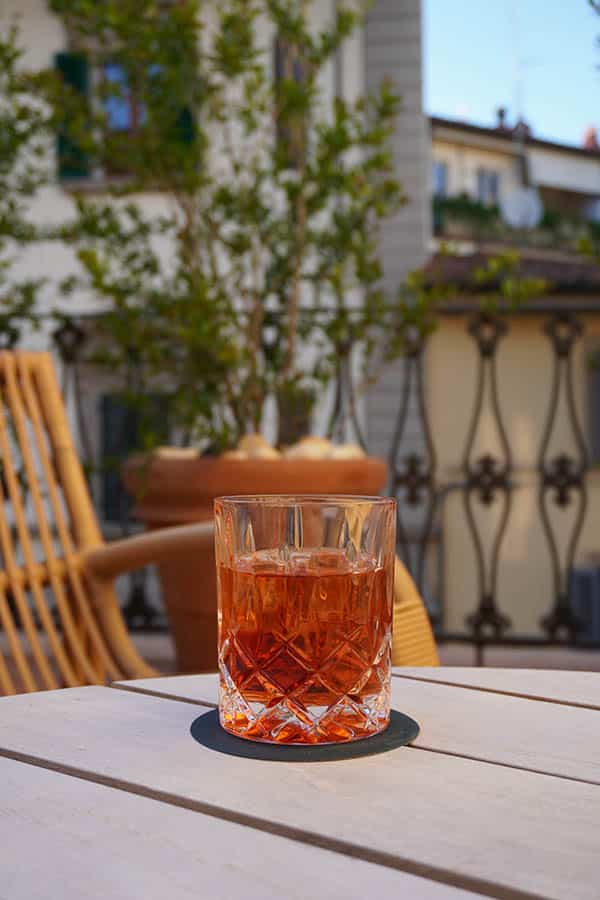
Back at This Time Tomorrow a couple of hours later, feet aching, Francesca arrived just in time with a basket of bottles and snacks. (We’d made the very wise decision to leave out the door hanger they provide for aperitivo orders to your room earlier.) So we poured our negronis and took them up to our shared roof terrace to watch the sunset over the terracotta rooftops and rolling Tuscan hills in the distance.
Days 3 & 4:Tuscany
Colle Alberti Country House
We only had a few days, but it seemed a shame to miss out on those rolling Tuscan hills. So, after 48 hours in Florence, we said our reluctant goodbyes to our life as affluent Florentine locals and made our way to Colle Alberti Country House.
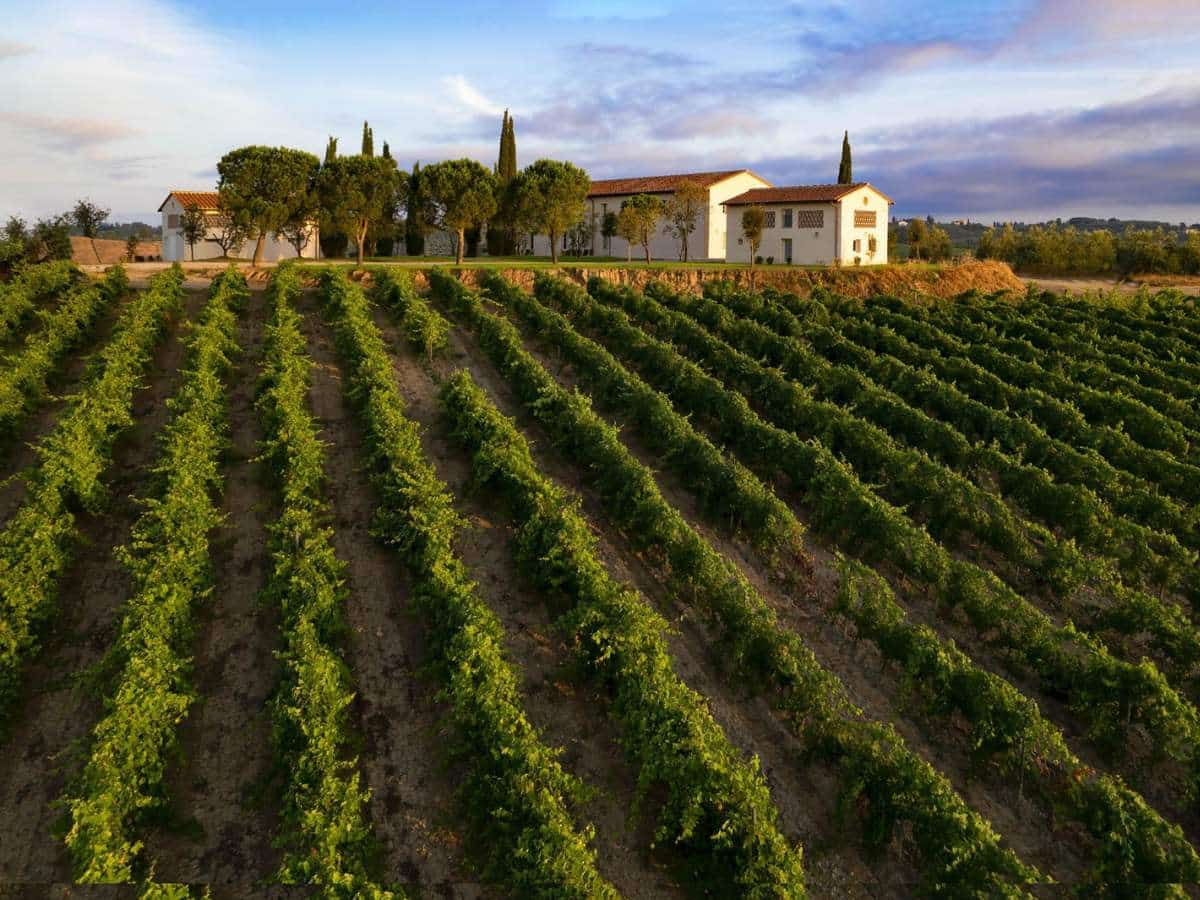
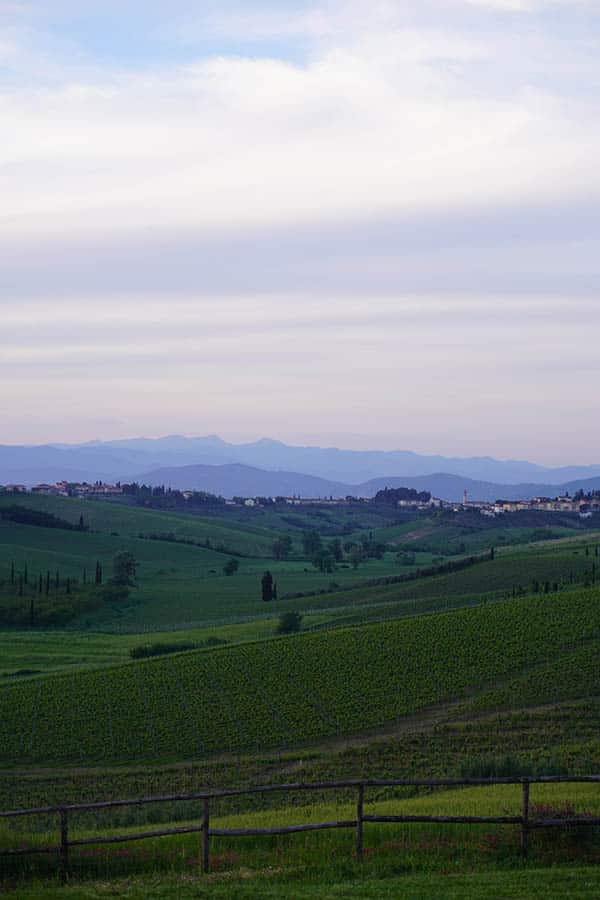
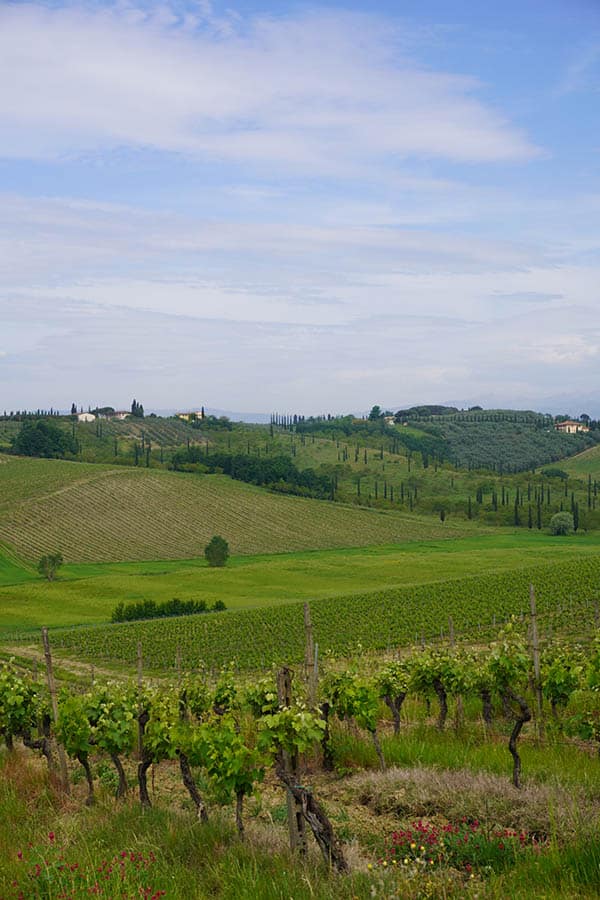
Just outside of Empoli, the landscape around Colle Alberti is in parts residential, with sleepy squares, busy roads and well-cultivated suburban sprawl. But from the moment you turn onto the dirt road lined with cypress trees, up, up, up to the top of the hill where this hotel is perched, you’re in tranquil, bucolic bliss.
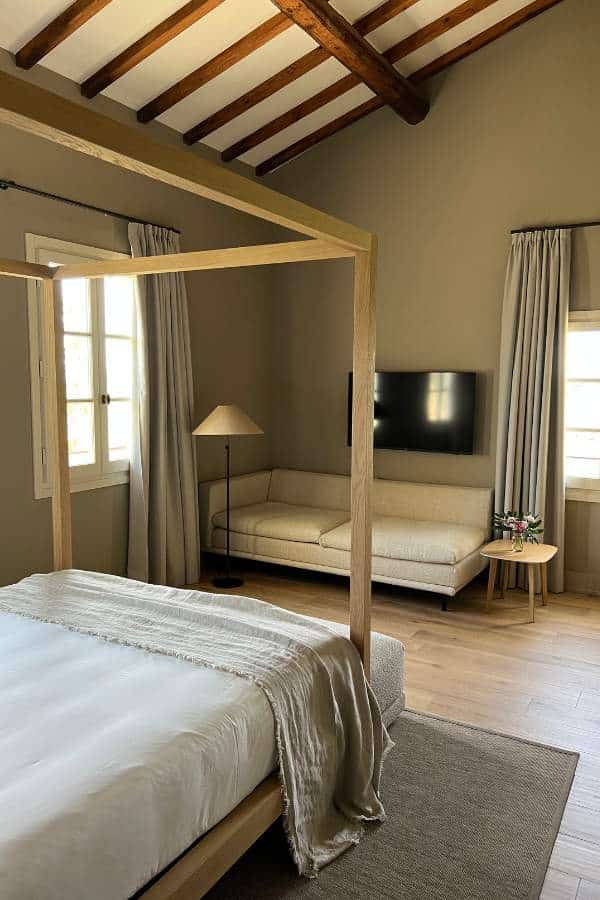
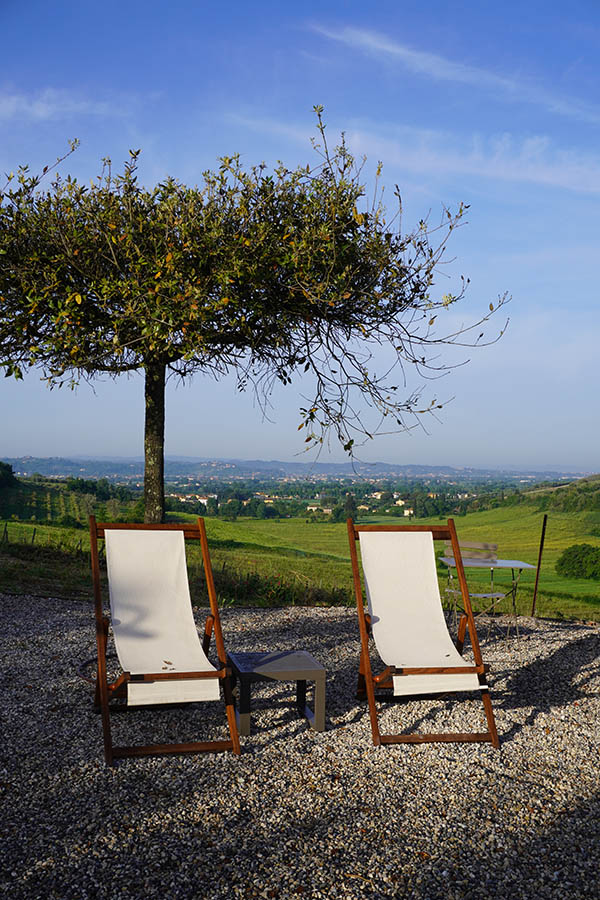
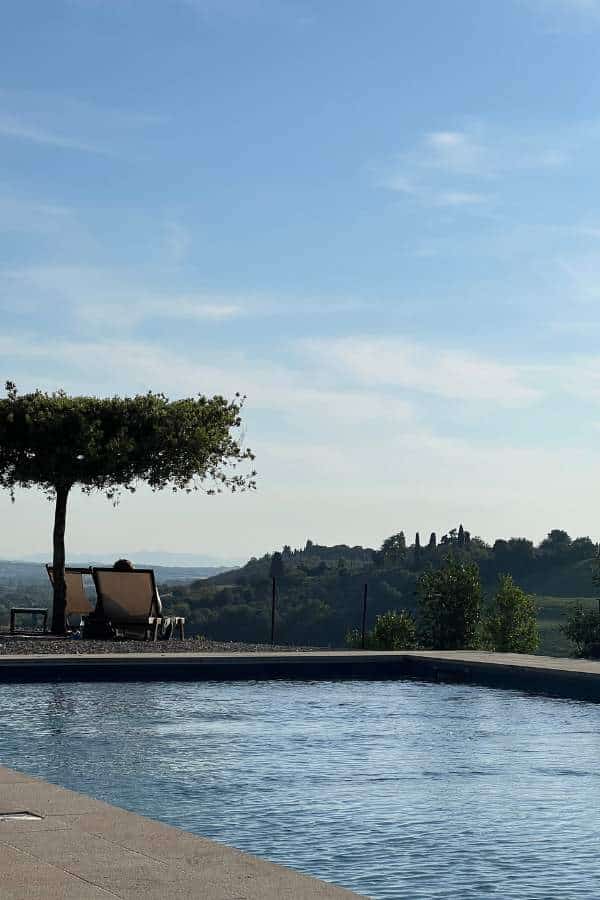
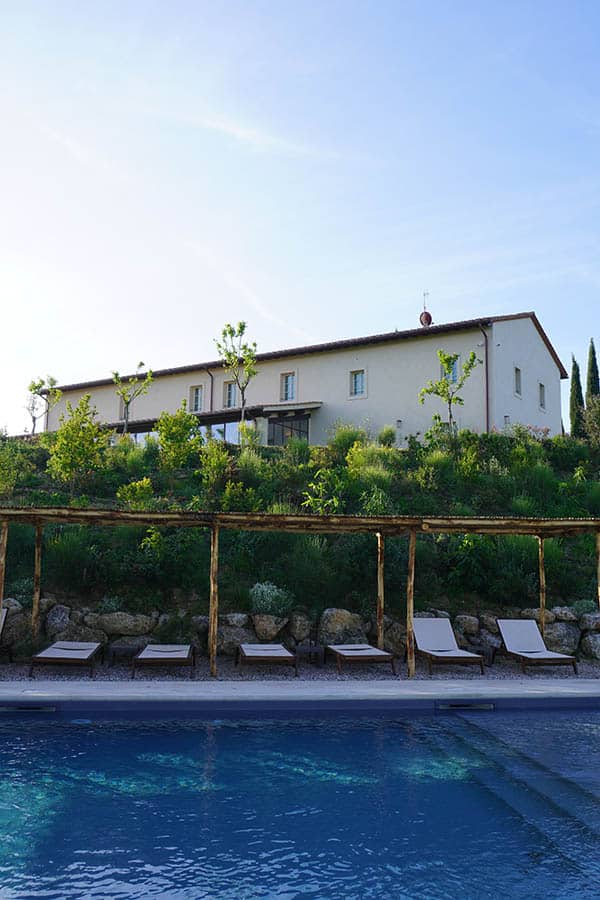
Set amongst rolling rows of lush green vines, Colle Alberti looks like a traditional country house, but inside, it’s classic, airy and contemporary, furnished with light oak and natural materials. There’s a sunlit, glass-lined dining room looking out over the garden and the pool below, and lots of cosy nooks around the bar. We were shown to a Superior Room, which was minimalist but comfortable and well-fitted out, and surprisingly quiet despite the hotel being fully booked.
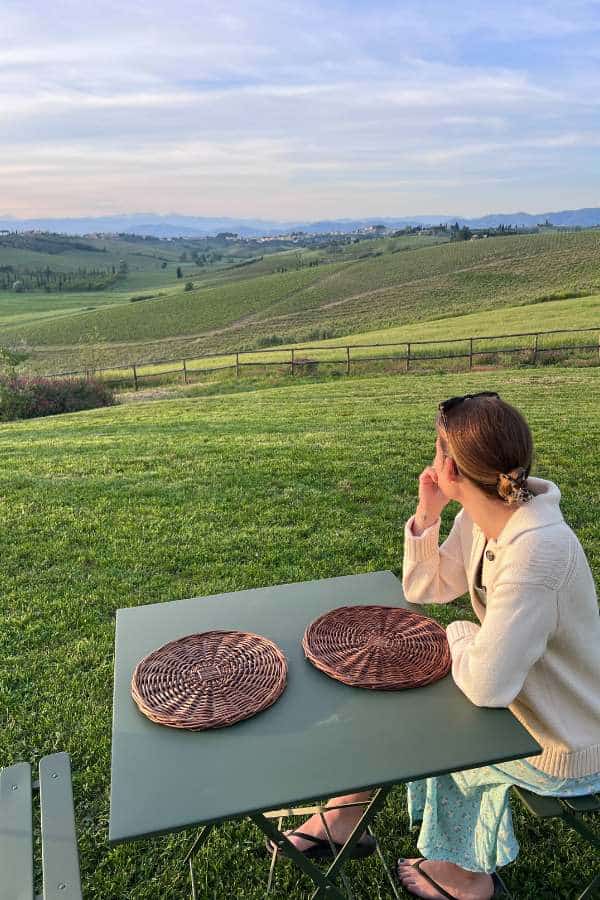
Afternoon stretched into golden hour as we lounged by the shimmering blue pool, surrounded by velvety green hills. We wandered up, ordered a bottle of wine, and enjoyed cold, floral sips whilst gazing out over the very vines that produced it.
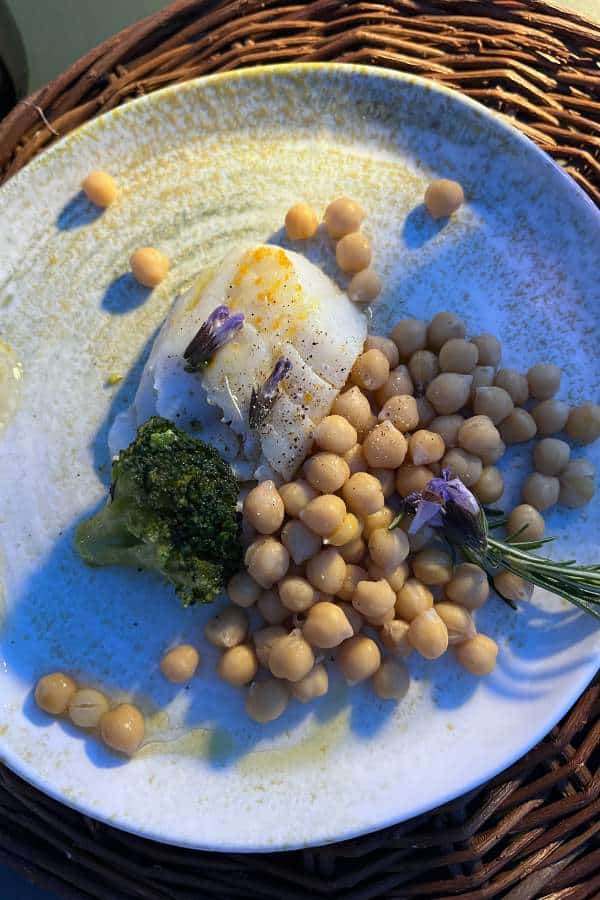
The sun was just beginning to set in frothy fuchsia streaks as we found a table on the grass for dinner. We tucked into tasty malfatti (ricotta dumplings), delicately pan-fried cod and chickpeas, and a light yet decadent tiramisu as the sky went from dusky blue to twinkly black. The set menus change daily here, depending on what the chef can whip up with the freshest local ingredients.
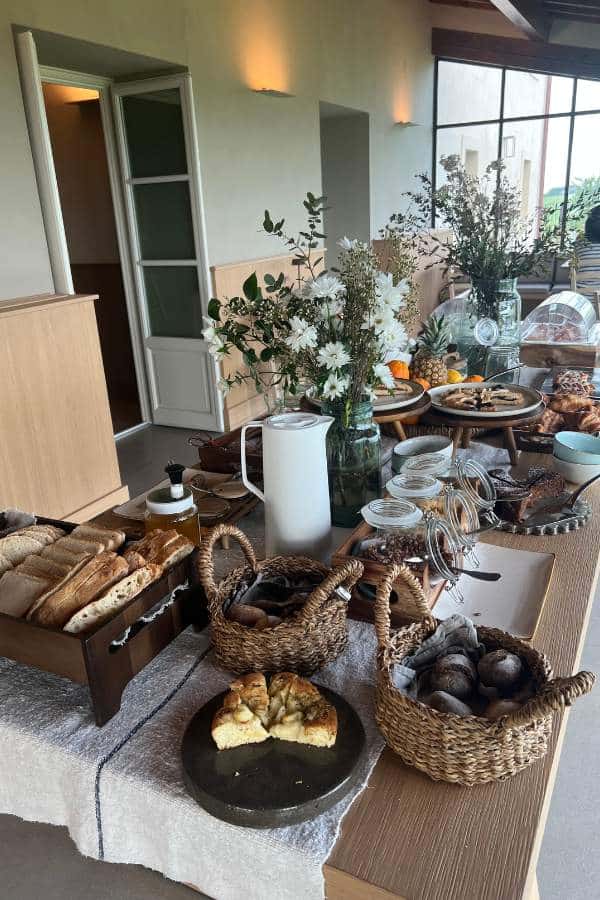
The next morning, we came down to a bountiful spread of pastries, breads, fresh fruit, cakes, cheeses, yoghurts and jams laid out on a long table. And the friendly team nipped around taking coffee and egg orders. The air outside was crisp and wet, so we sat in the dining room looking out at the vista.
Cerreto Guidi
The hilltop village of Cerreto Guidi is just a short drive from Colle Alberti or a forty-five-minute walk along quiet country roads. This sleepy town has a few restaurants and cafes, but the main event is Villa Medici. Perched at the top of town, this imposing property was built for the Grand Duke of Tuscany, Cosimo I de Medici, who favoured Cerreto Guidi for its proximity to Florence as well as two of his favourite pursuits: hunting and long country walks.
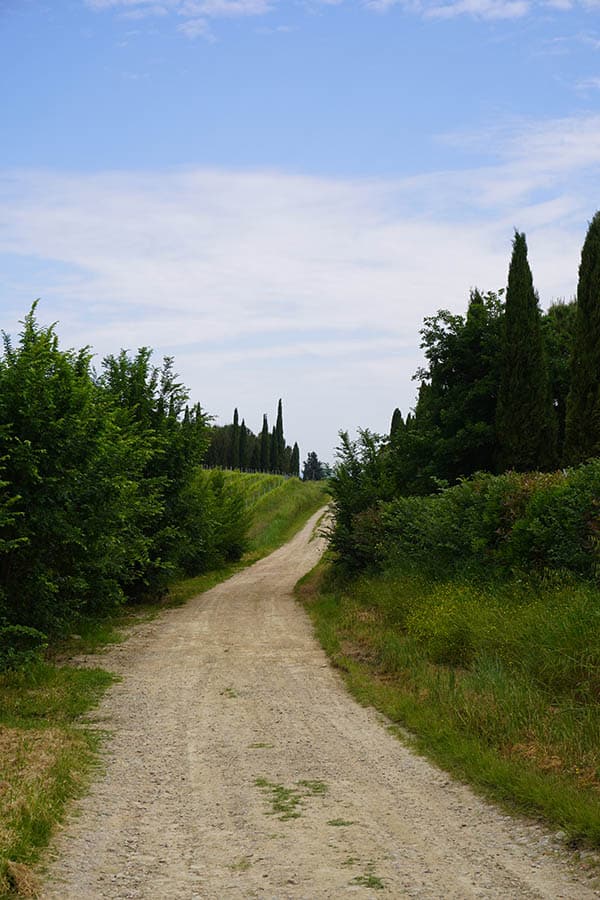
Now, it’s a hunting museum with well-preserved family portraits, frescoes, a beautifully preserved chapel and a small garden. It’s not the grandest of Medici villas, but it’s a fascinating stop a little ways off the Tuscan tourist circuit. In the spirit of Medici’s love of long walks, we hiked back through the fields to Colle Alberti.
San Miniato Alto
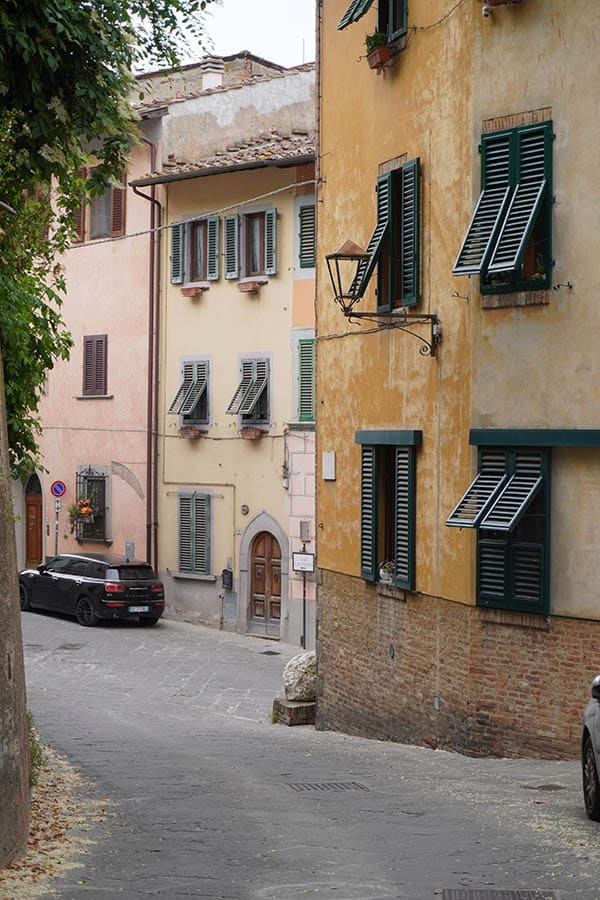
We decided to venture out for dinner, and the fabulous manager, Laura, recommended a couple of her favourite places in San Miniato Alto, a medieval village just a fifteen-minute drive away.
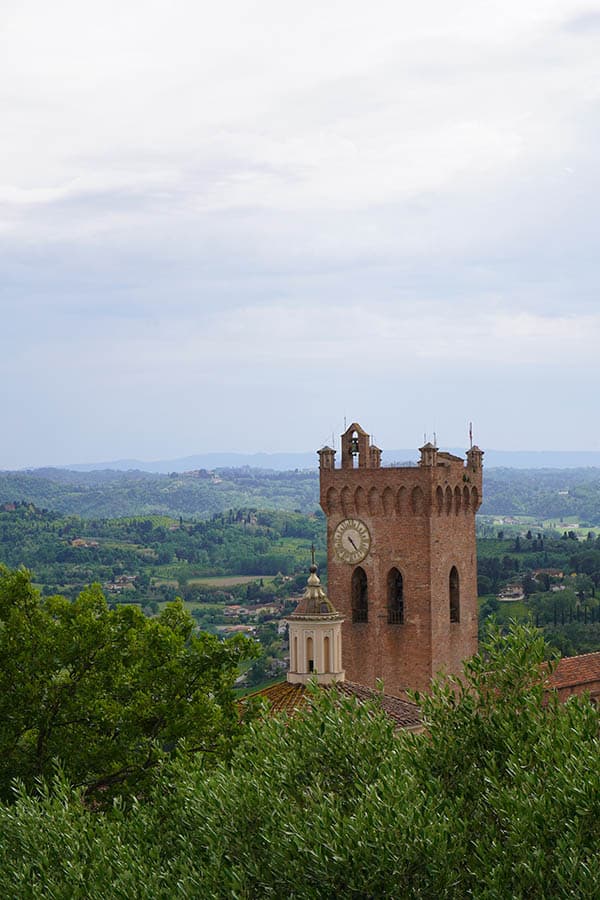
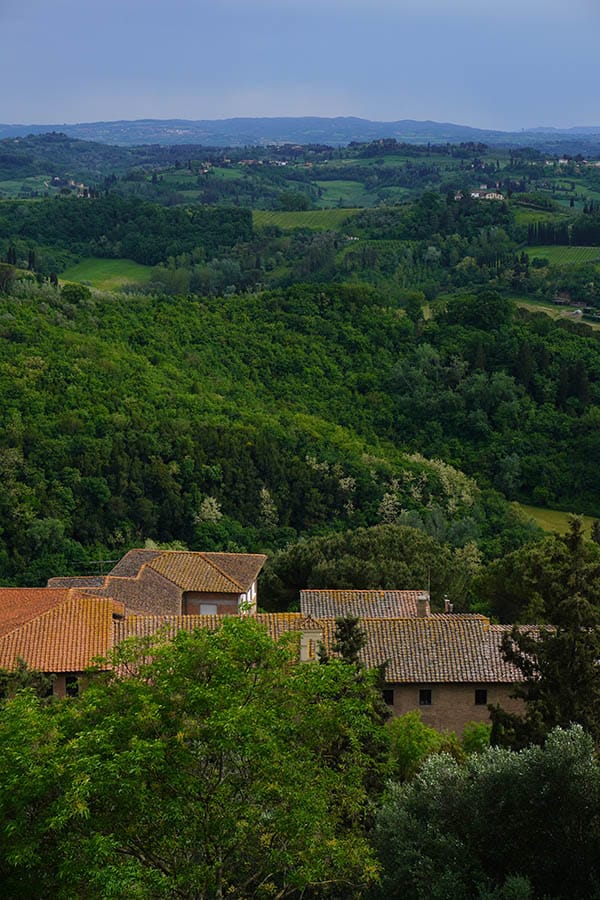
Feeling we needed to earn our apertivos, we decided to climb up to the Rocca di Federico II, a tower built in the 12th century, destroyed during the Second World War, then rebuilt in all its former glory. The panoramic views from the top are truly breathtaking, and as you wind your way down through the town, there’s no end of interesting history and art tucked into the faded architecture.
Enoteca Marilu came highly recommended. Tucked down an alley, this unassuming little cellar bar is the brainchild of cookbook author Emiko Davies and Tuscan sommelier Marco Lami. Marco himself was there to greet us, and recommended glass after glass of completely unexpected, spectacularly spot-on wine with perfect pairings of pickled vegetables, crackers and local cheese.
For dinner, Laura was able to snag us a reservation at a very hot-ticket vegetarian restaurant in town called Maggese. Now, when I think of Tuscan food, a vegetarian tasting menu doesn’t necessarily spring to mind. However, this place will change all your preconceptions about Italian cuisine, vegetables and even tasting menus. Each course was masterful and meticulously crafted, but not overly fussy. Groups drifted in and greeted the owner with familiar warmth, and once again, we felt like we were being let in on a local secret.
Eventually, our slow journey through the rich spectrum of Tuscan flavours had to come to an end… and I wish I was only referring to the meal. In just four days, we had lived like a local in Florence, walked the Tuscan countryside like a Medici, and feasted like kings – making the most of a long weekend like true Italians.
Date published: 29 May 2025
Last updated: 04 Jun 2025