


Overtourism has been in the headlines recently, just as summer kicks off and we enter peak season in Europe and elsewhere. We take a look at what’s behind it all and what we, as conscientious travellers, can do about it.
In recent weeks, residents of several European cities, including Barcelona, Lisbon, Venice, Genoa and Palma de Mallorca, staged coordinated protests against the huge summer influx of holidaymakers. So far it’s all very peaceful – their only weapons are water pistols – and the hoteliers I spoke to were adamant that it’s a tiny faction which has been blown out of proportion by the press. (Surprise, surprise.)
But several smaller (and stranger) protests elsewhere hint at a growing feeling that tourists risk becoming more of a nuisance than an asset. In Galicia, residents walked continuously across a pedestrian crossing for a day to stop litter-lout visitors ruining their beach. You’ve got to laugh… unless you’re the ones waiting in the car. On a beach road in Menorca, wily locals erected a sign saying “Beware of Dangerous Jellyfish”. On the Greek island of Paros, locals ‘reclaimed’ a beach taken over by a big resort (all Greek seafront remains public property by law, so they had every right). And on Santorini, residents of Oia have had to put up ropes to stop people from climbing onto their white vaulted roofs for sunset selfies. You get the picture.
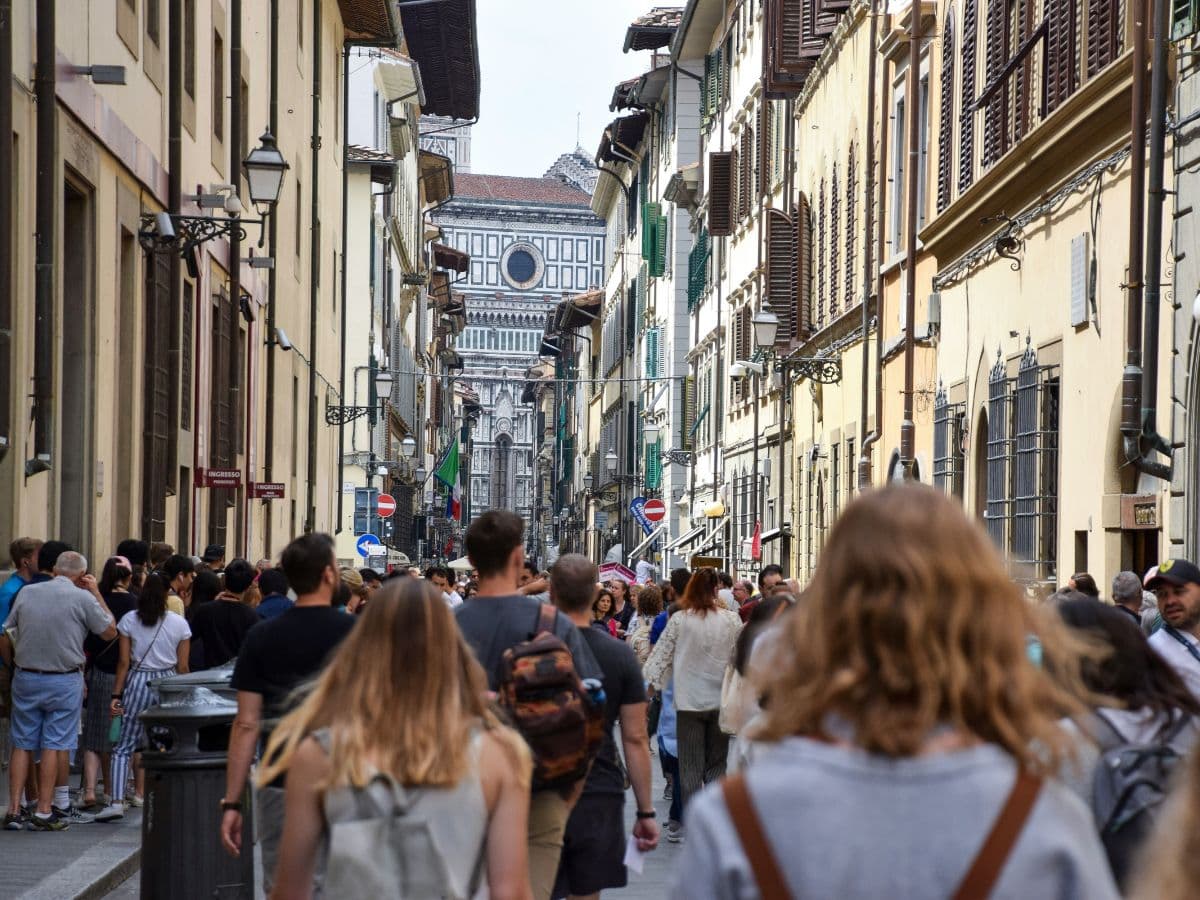
And it’s starting to hit tourists where it hurts: the wallet. In popular cities and islands, tourist taxes (often labelled ‘environmental’ or ‘climate resilience’ fees) have risen to over €20/room-night. In Venice, day-trippers have to pay up to €10 to enter the city, which is double the 2024 fee. And it’s not just the cities: hikers in Italy’s Cinque Terre, and in parts of Mallorca, now pay up to €15/day to access the most popular trails.
Steady growth in tourist numbers – by 5% each year on average – is a factor. It strains local resources (especially transport and water), and causes crowding on beaches and narrow city streets. But this growth is wildly uneven. Some hotspots (generally, those trending on social media or in filming locations) have surged, while others have remained static or even dropped. In Greece, the Insta-popular island of Milos saw a 500% rise since 2015, while nearby Andros remained static. And traffic is more concentrated than ever in the peak seasons.
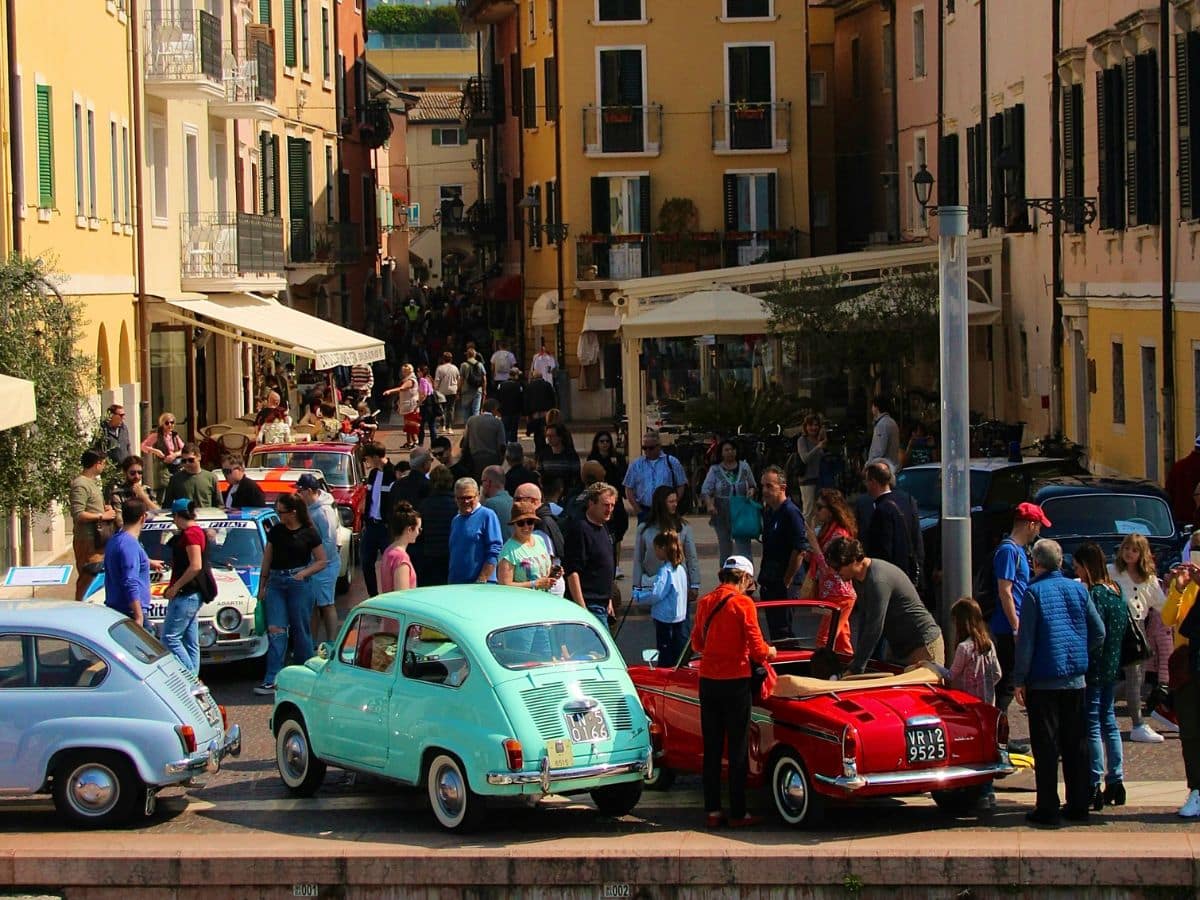
Meanwhile, the Airbnb revolution has proved a double-edged sword: locals get priced out of their own housing stock, and towns risk becoming a hollow Disneyfication of themselves. As a result, some authorities have stopped issuing new licences – and Barcelona has vowed to outlaw all short-term rentals by 2028. Now might be tourism’s honeymoon period, at least in some parts.
You don’t need to cancel all your holidays for evermore. Lots of communities depend on tourism, and it can be a positive force. It’s just a matter of balance and behaviour.
- Spread the load by visiting smaller, subradar destinations. There are still plenty to be found (see our top suggestions below), and they are often just as beautiful. Once there, you’ll be appreciated, and appreciate it more in return. You’ll also waste less time in queues or fighting for a table – especially if you can travel outside of peak seasons, which is another great way to reduce overcrowding.
- Stay somewhere owned and staffed by locals. This way, your money circles back into the community, and you’ll contribute to entente cordiale. Avoid all-inclusive foreign-owned resorts: there’s less trickle-down, less local spend, less interaction. If booking an apartment, check it’s operating legally (look for the rental licence number) and be mindful of neighbours.
- Be respectful. There are tourists and then there are ‘bad’ tourists. You know the ones – climbing on people’s roofs for sunset shots, leaving rubbish on beaches, being rude to waitstaff, and giving all of us a bad name. Instead, try learning some key phrases, buying local, and leave as small a footprint as possible. Explore more, be polite, and bring some insight and good humour to the table, so residents will feel the benefits of visitors in a more personal way.
One of the best ways to spread the load is to share the love. Instead of hopping off to trending hotspots in peak seasons, try to find those special gems that haven’t yet made the rounds on Instagram. Here are a few alternative holiday destinations we love for avoiding the crowds, cutting costs and supporting local communities.
1. Instead of Barcelona, go to Girona
Stay at: Girona Design Apartments or Old Town Apartments
And experience: baths, bridges and amazing food
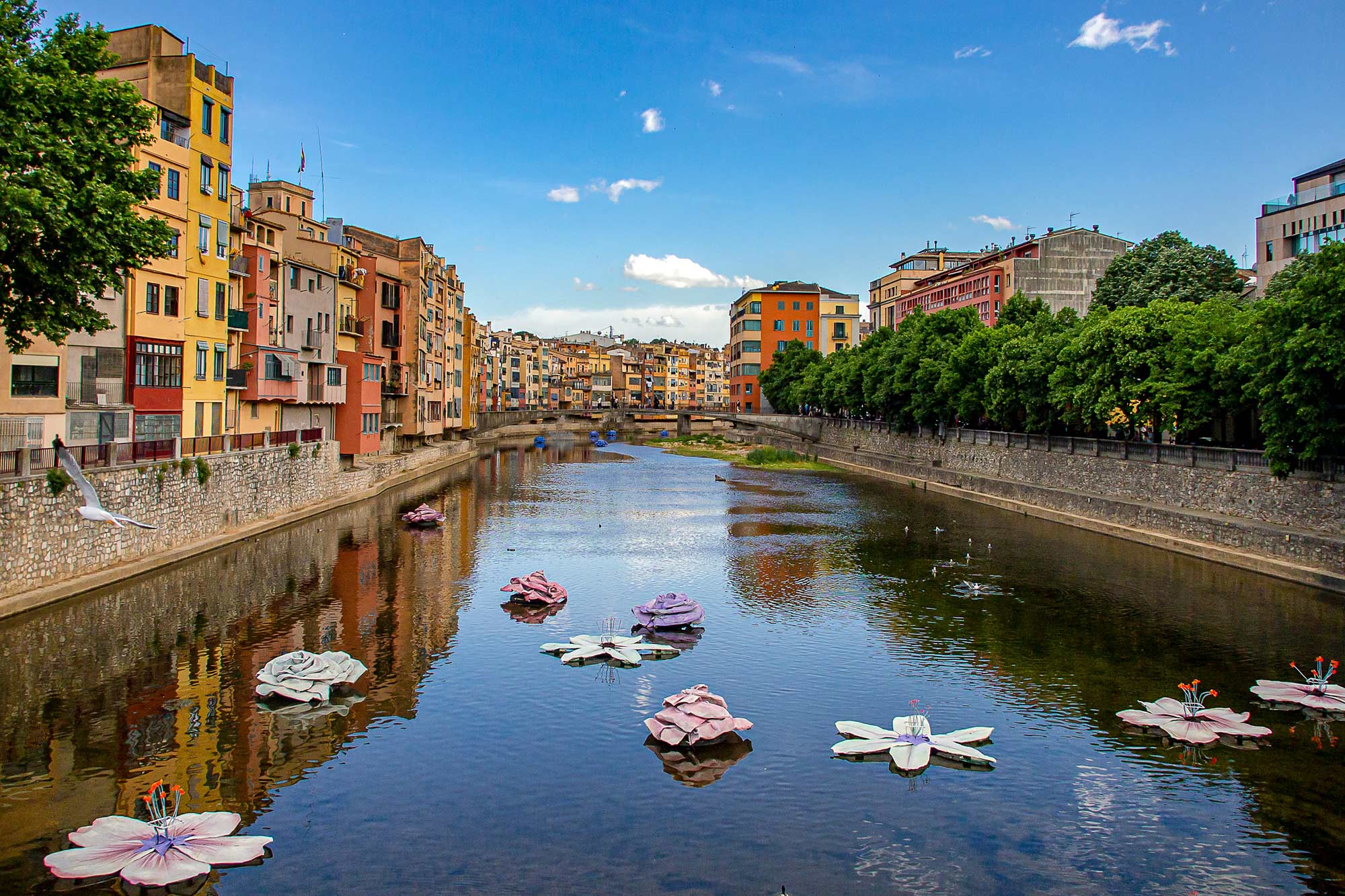
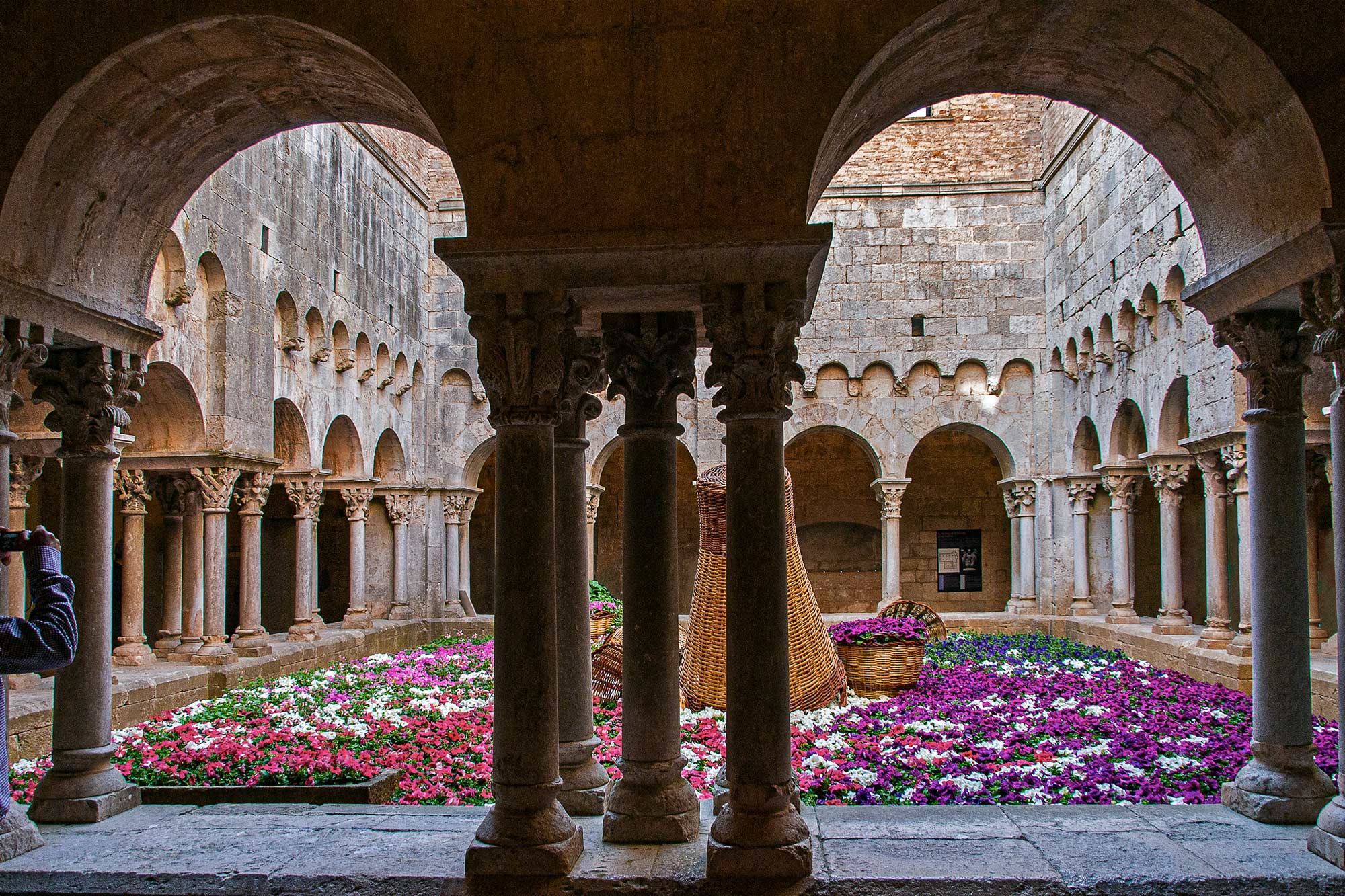
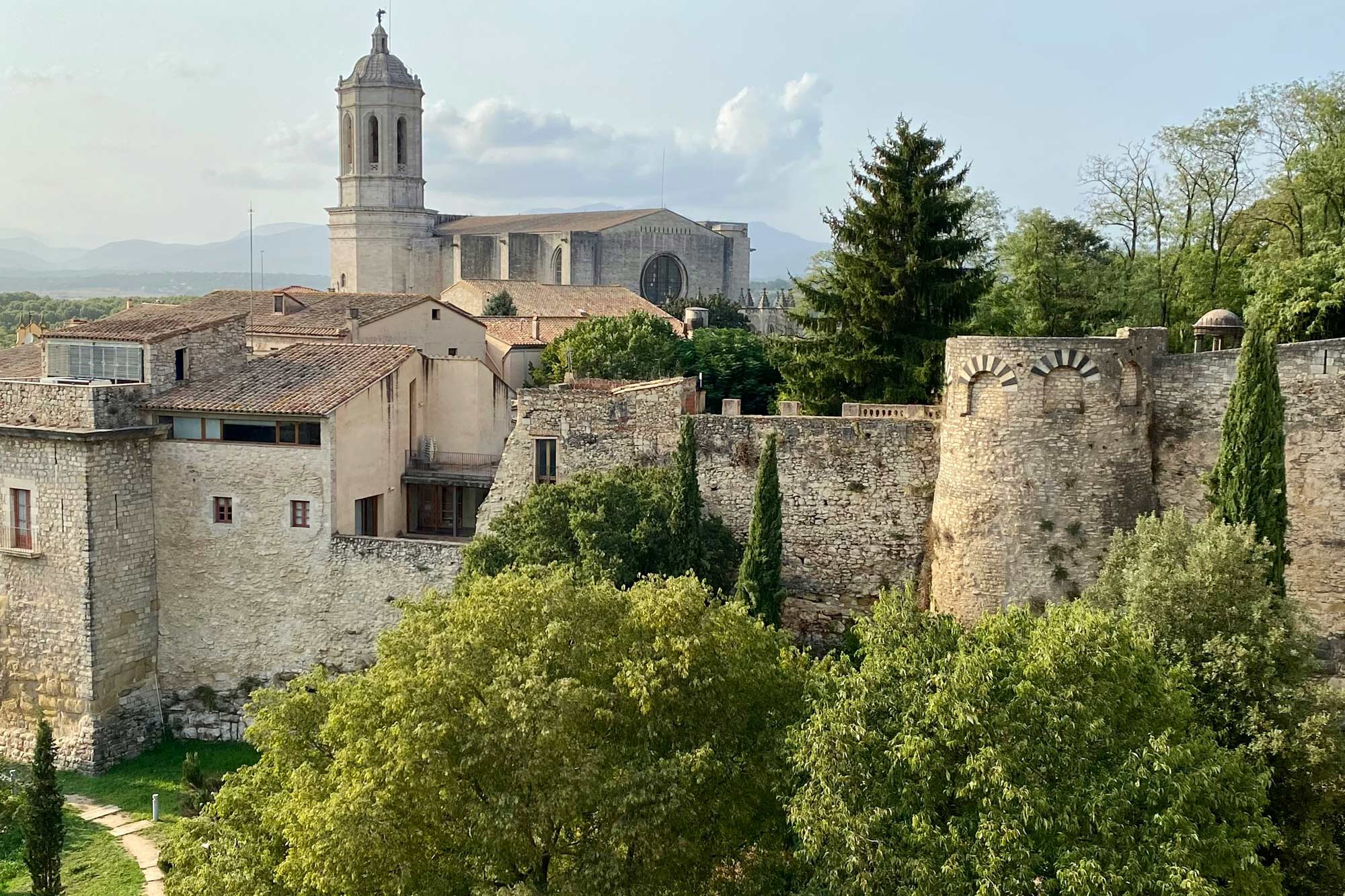
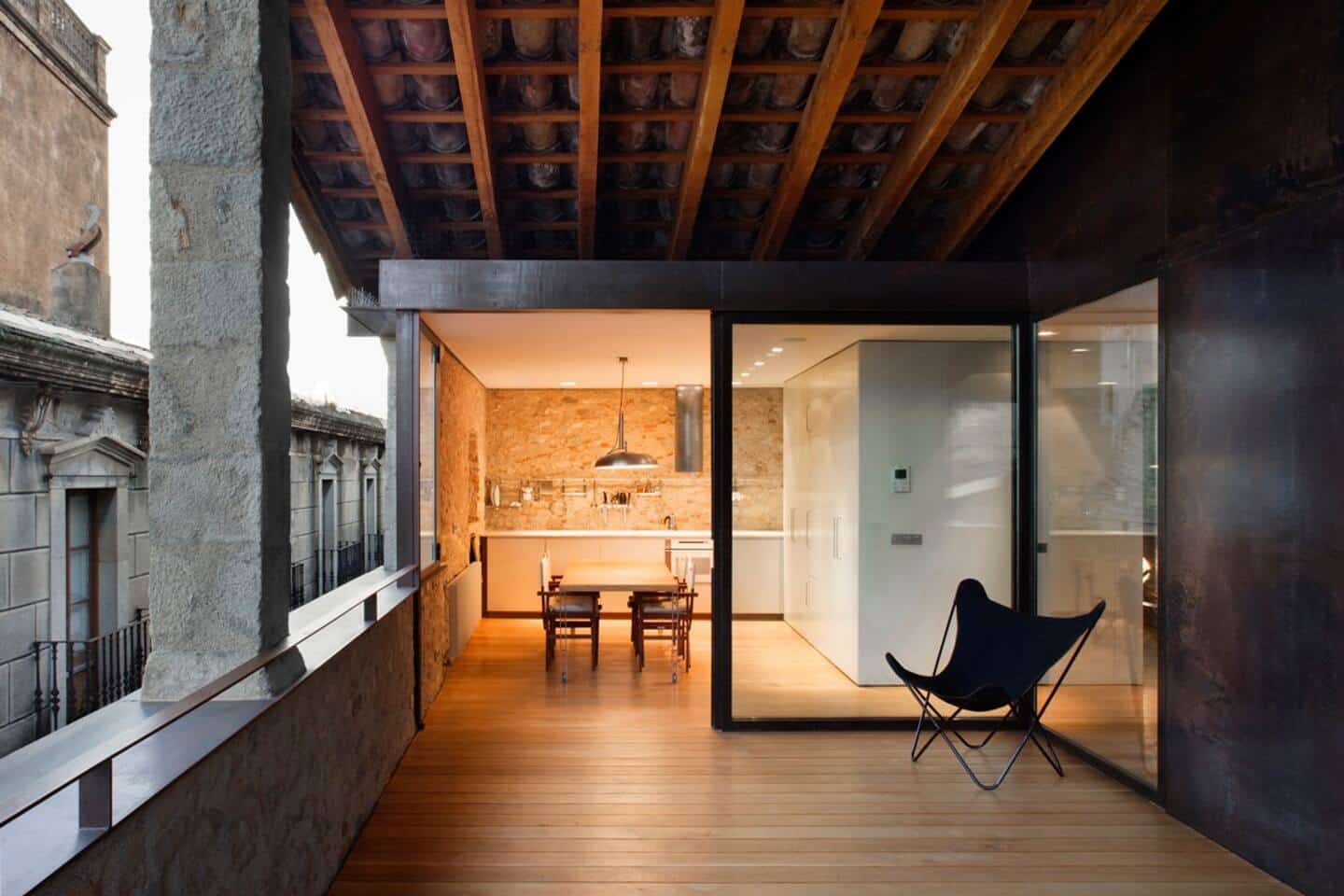
OK, Girona is not exactly subradar: it was the city of Braavos in Game of Thrones (2016), and has been in Ryanair’s network since the noughties – remember the fuss when they called it “Barcelona – Girona”? But most visitors moved straight on to the Costa Brava or to Barcelona, 100km away, leaving the city surprisingly untrammelled.
It was built at the confluence of four rivers, so you get waterfront walks, criss-crossing bridges (including one by Gustav Eiffel, of Parisian Tower fame), and historic Arab baths too. While it may lack Barcelona’s flamboyant modernist architecture, the Old Quarter (Barri Vell) and Jewish Quarter (El Call) are extremely well preserved, with winding cobbled lanes and medieval walls that you can walk around for far-reaching views.
But for me, the biggest draw is its foodie scene. With no fewer than 8 Michelin-listed entries, from 3* El Celler de Can Roca (the one that started it all) down to Asian-inspired Pocovergonya and the sub-€50 Cipresaia, you can really dine out in style here. Or book a Flavours of Girona walking tour, weaving between food markets and artisanal suppliers to sample delicacies like sweet botifarra sausage, shredded cod salad and amazing ice cream buns.
2. Instead of Mykonos, go to Andros
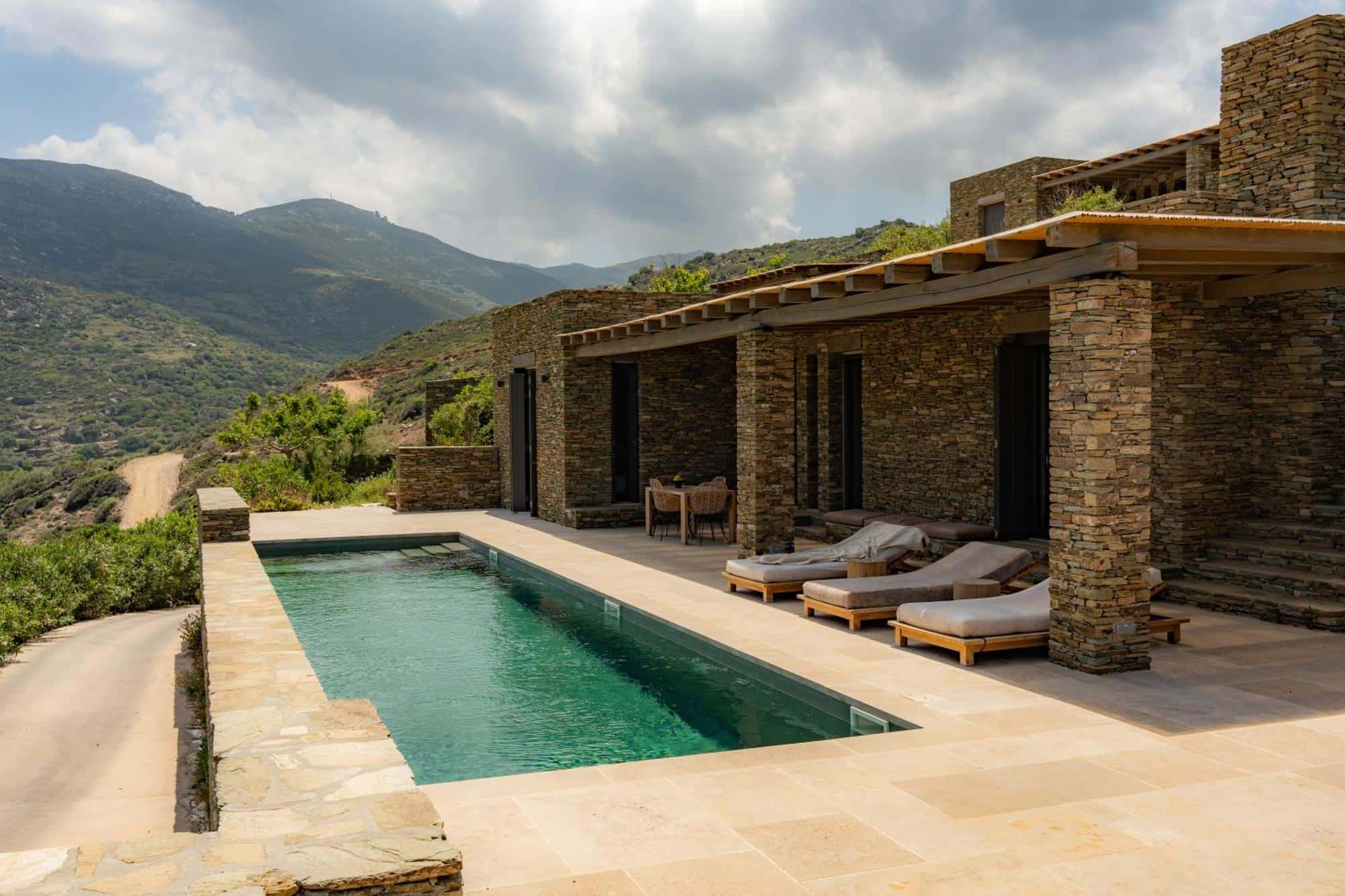
Stay at: Onar
And experience: wild hills, waterfalls and a beach to yourselves
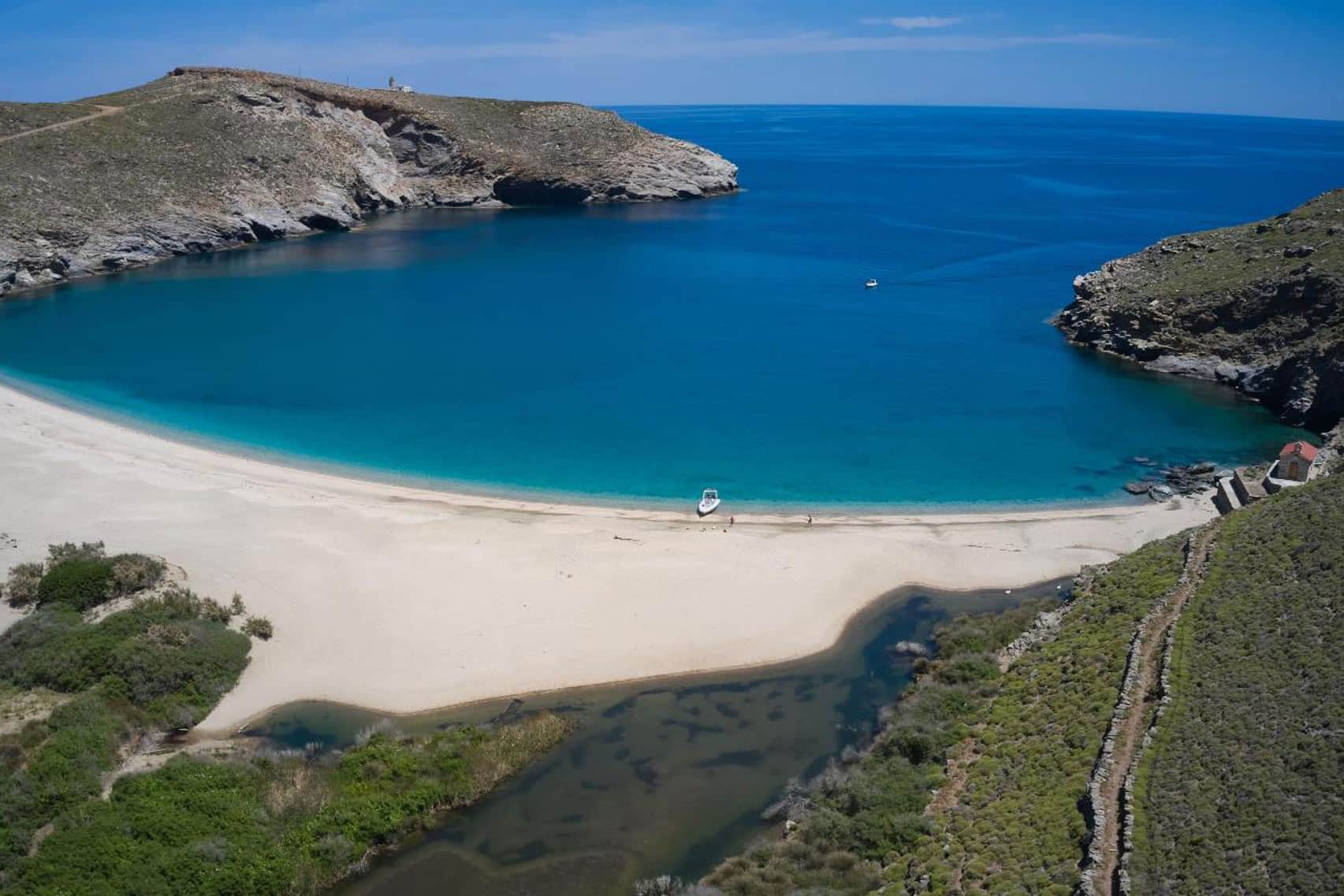

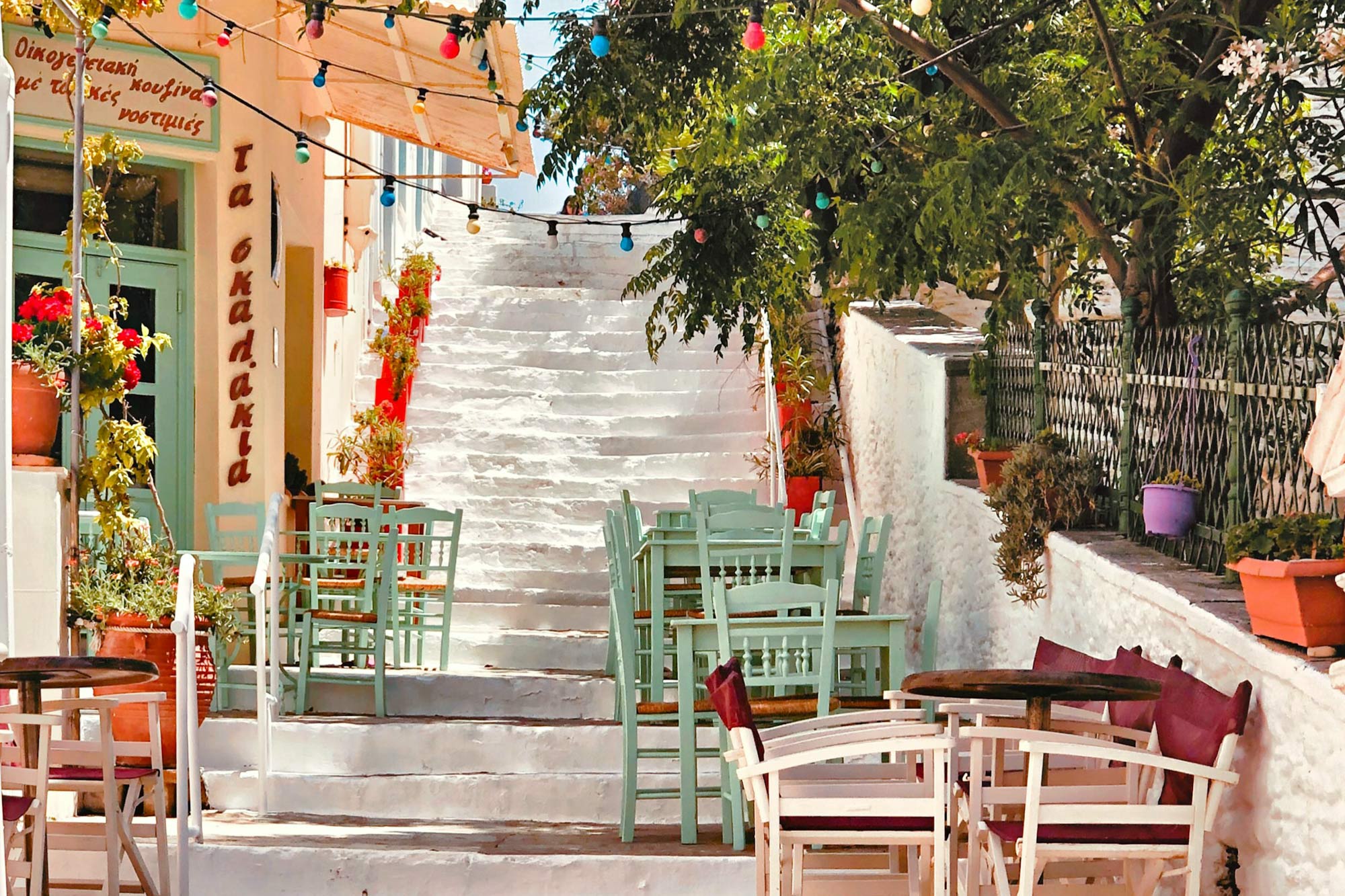
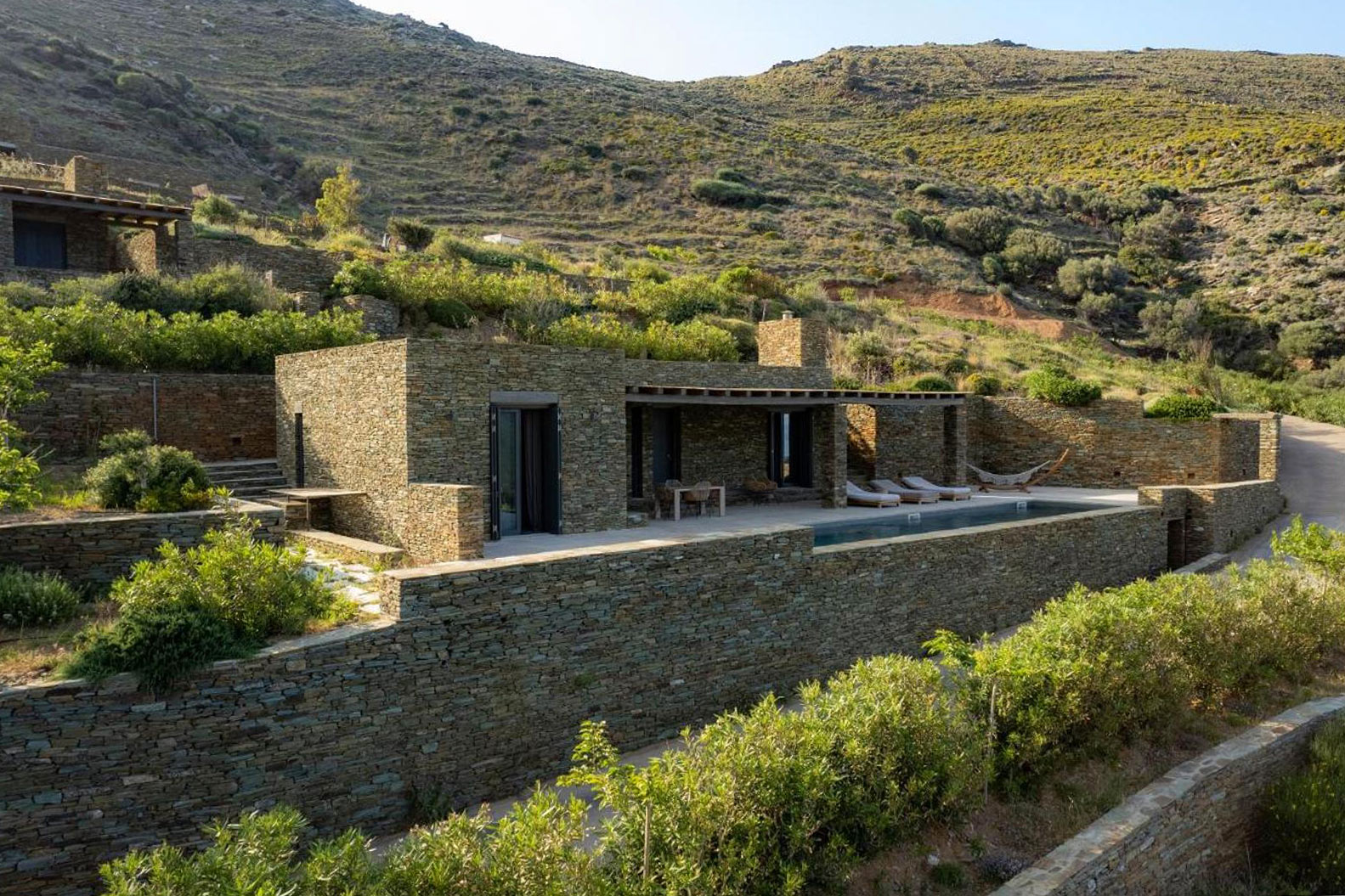
It’s no surprise that the two busiest Cyclades islands are those with international airports: Mykonos and Santorini. In high summer, they are heaving. And others are heading that way – Milos, Paros and Naxos spring to mind. But a few, like Andros, seem to have escaped our notice. Why? Perhaps because of its historic income through shipping and commerce (not so reliant on tourism), or its wilder, more rugged landscape (think Scotland in a heatwave). It’s also nearer to Athens, meaning that weekending Athenians have snapped up a lot of the homes for themselves.
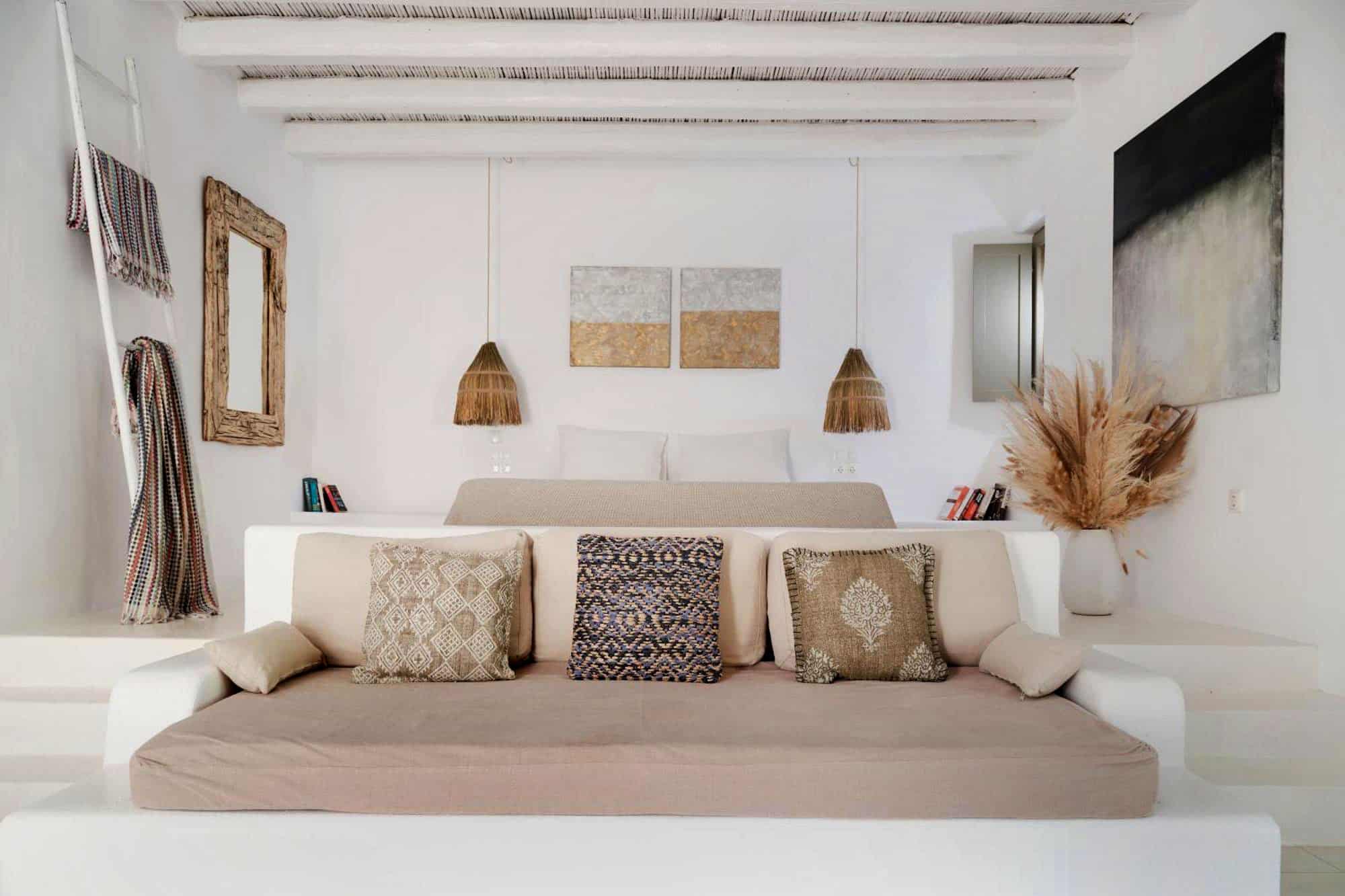
It was one of those Athenians, Mateo Pantzopoulos, who found a remote and especially lovely valley – which opens out onto a glorious sandy beach – and decided to make it his summer home. At Onar, you’ll find running streams, plane trees, a sprinkling of chic stone cottages, and hardly any outsiders (there’s no public road to the beach). For a dose of restaurant- and town life, including a great modern art museum, head to nearby Hora; but don’t expect all-night bars.
3. Instead of Dubrovnik, go to Rovinj
Stay at: The Artist’s Suite
And experience: batanas, bell towers and a beachside Forest Park
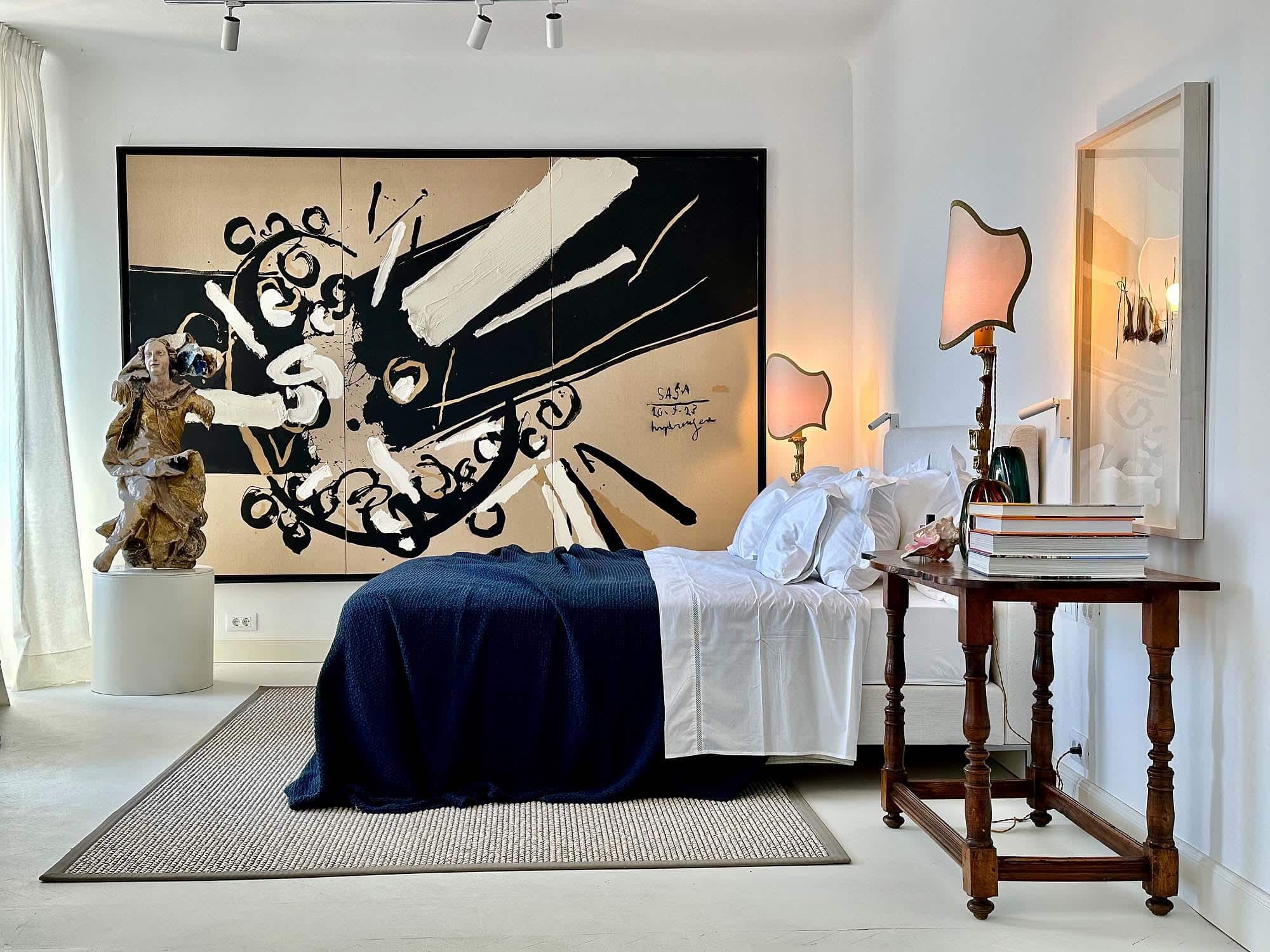
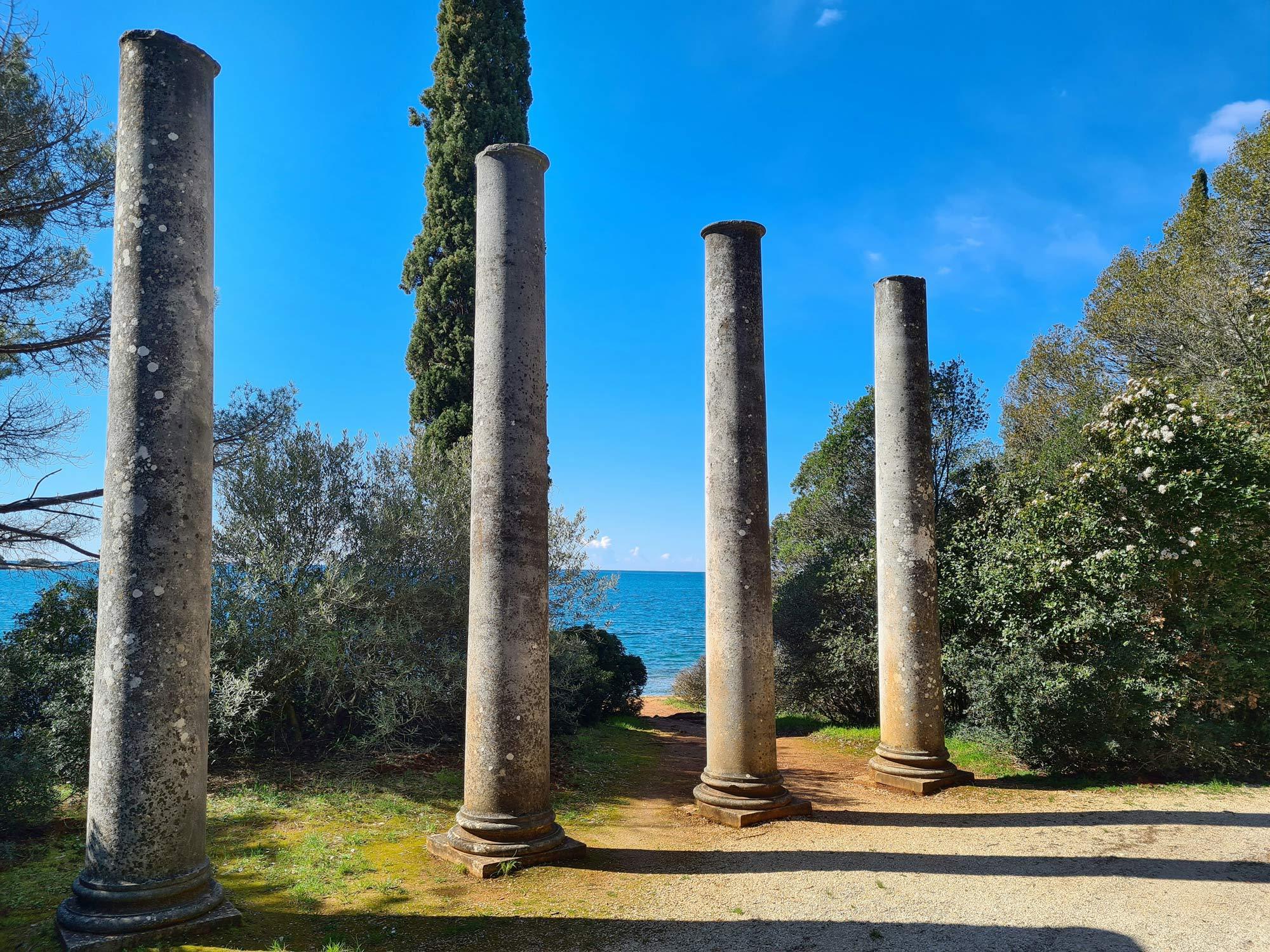
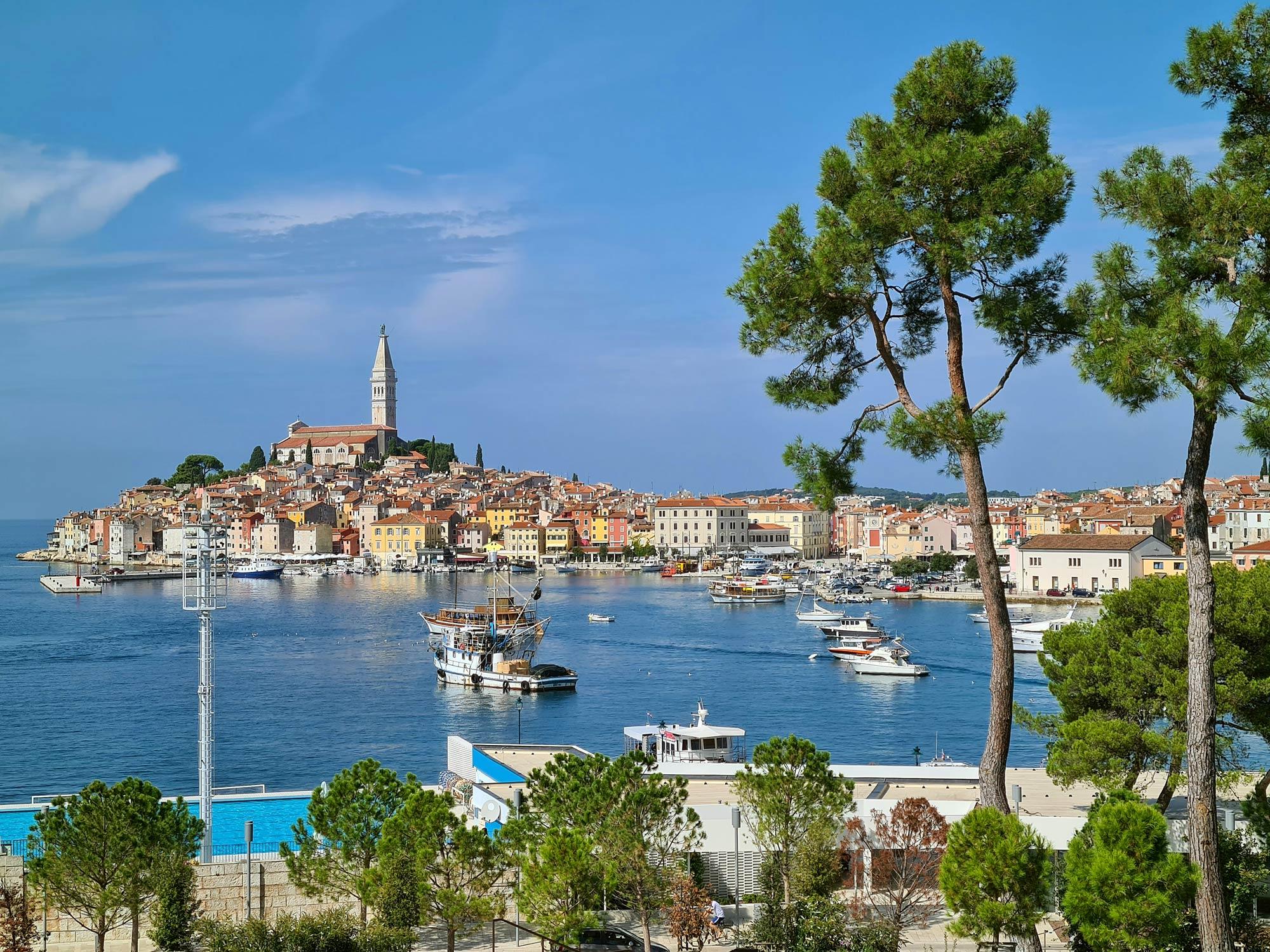
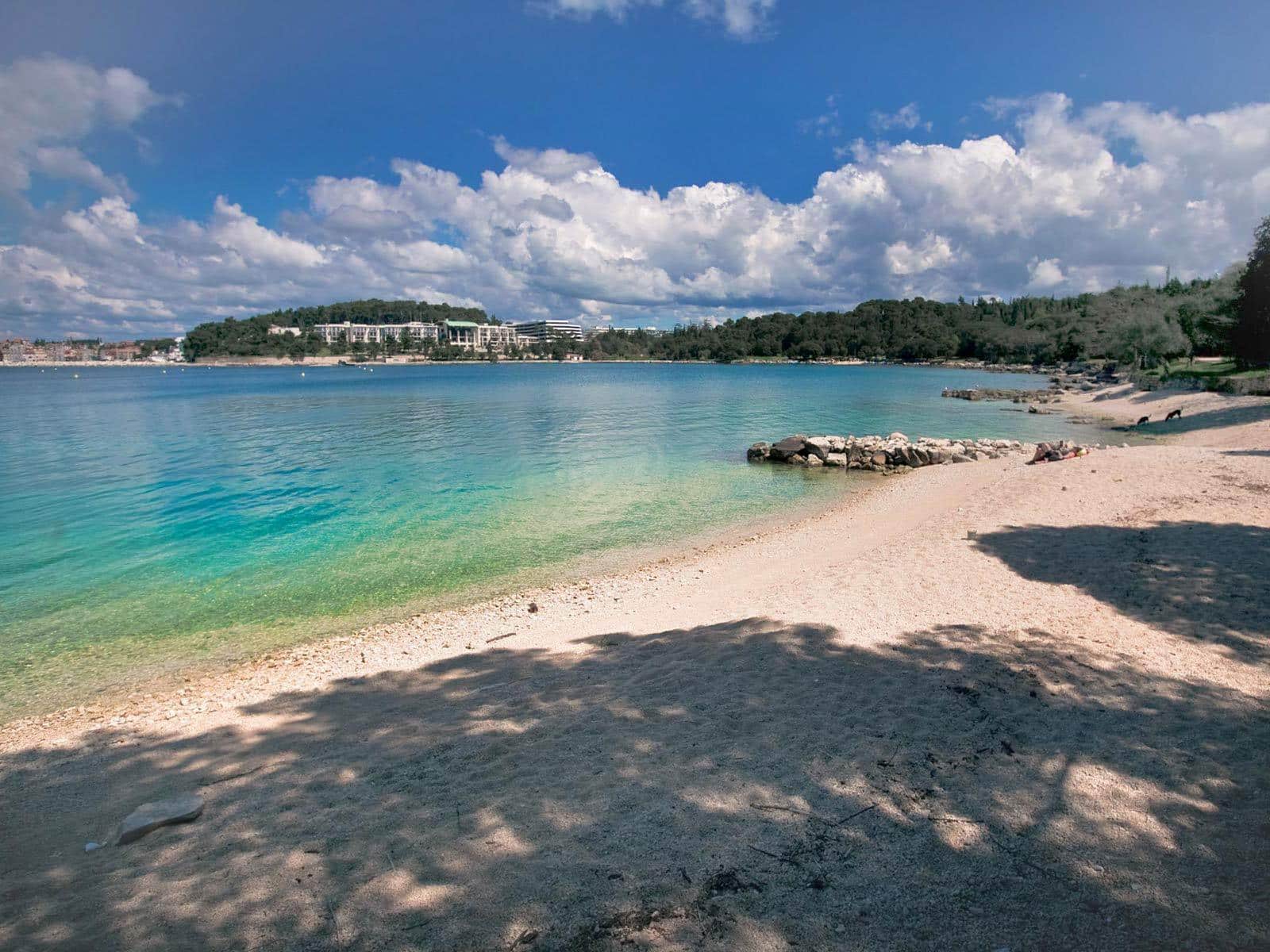
Dubrovnik has one of the highest tourist-to-resident counts of any European city. In summer it can receive up to 6 cruise ships, 200 coaches and a staggering 9000 taxis – each day! Current mayor Mato Frankovic is doing his best to spread the load, limiting cruise ships to two per day, and forcing buses to book staggered arrival slots; but it’s an uphill struggle.
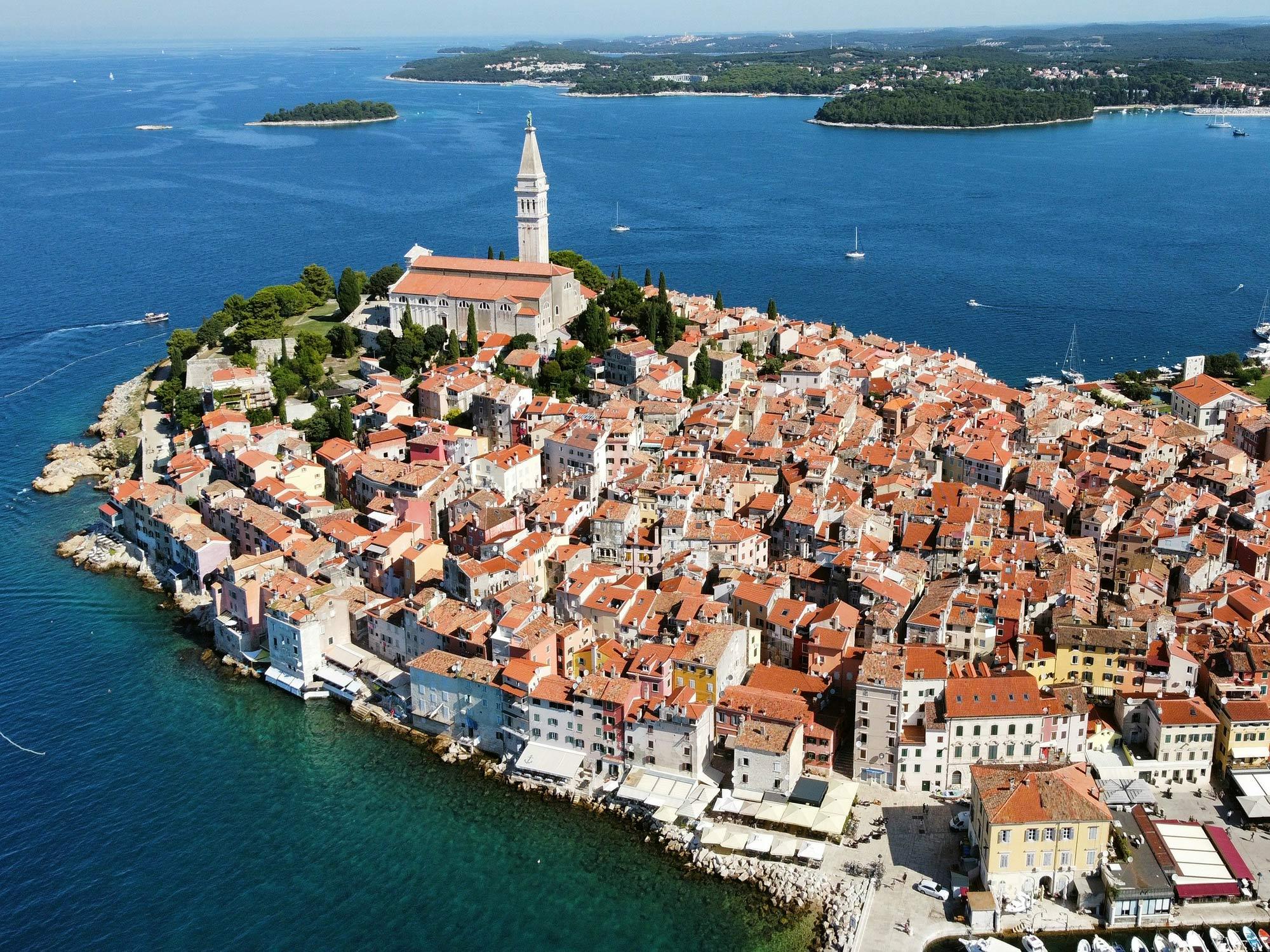
So we suggest re-routing to the picturesque town of Rovinj on the Istrian coast. Conde Nast Traveller recently called this “Croatia’s hidden foodie gem”, and the Daily Express “Croatia’s best-kept secret”, which means of course that it’s neither truly hidden nor truly secret. But it is a lot quieter than Dubrovnik.
And it’s lovely. The harbour is lined with yachts and batanas – traditional wooden fishing boats of Venetian design, with a simple square sail for when the wind blows. Jump aboard for a sunset cruise, or head to the islands of Sveta Katarina or Sveti Andrija just offshore. Back on land, climb the 18th-century belltower of St Euphemia for stunning views over the old town rooftops. Or cycle to Punta Corrente Forest Park, originally bought by an Austrian baron to plant his exotic species, and now shaded with mature stands of pine, cypress and cedar. There are plenty of secluded bathing spots here, too.
4. Instead of Tuscany, go to Le Marche
Stay at: Borgo Tranquillo or Borgo Farneto
And experience: Renaissance landscapes, romantic hilltowns, and a riviera
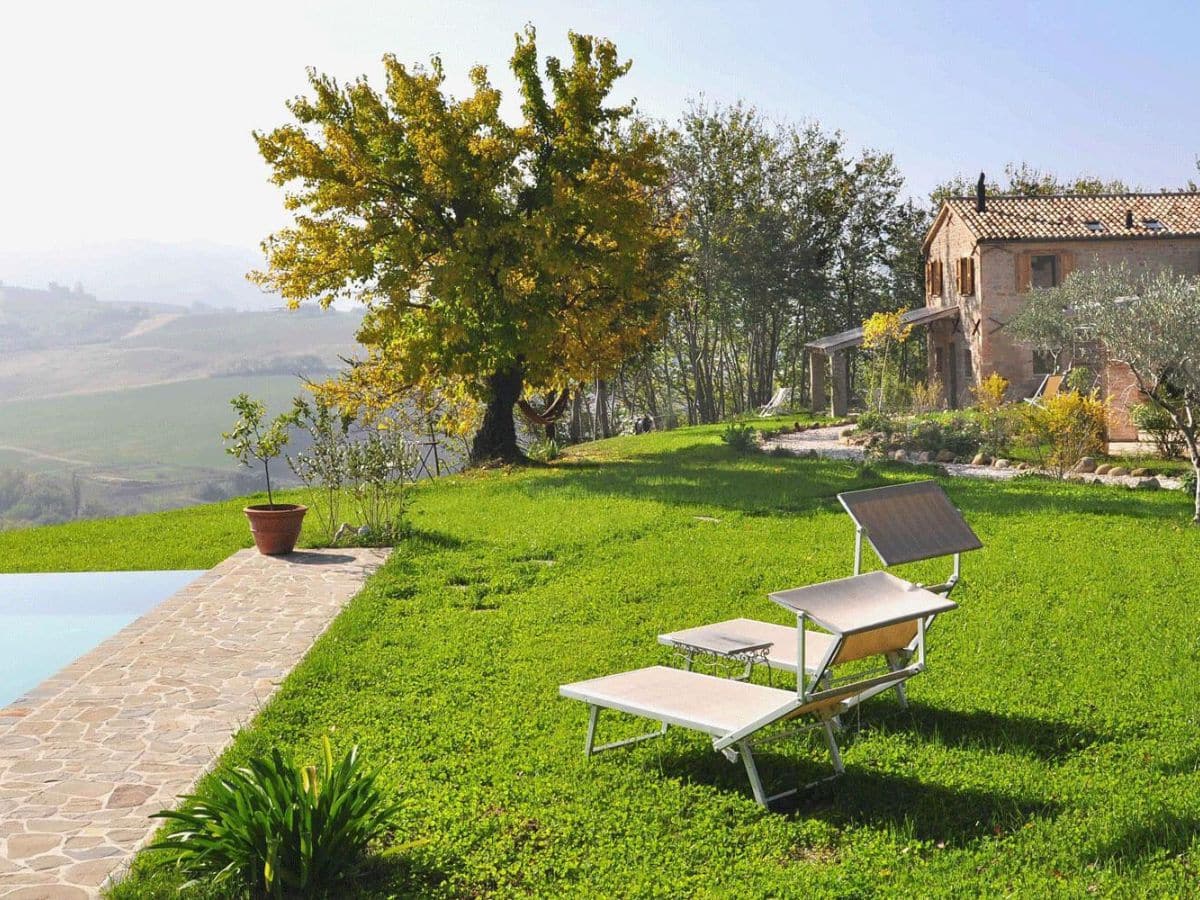
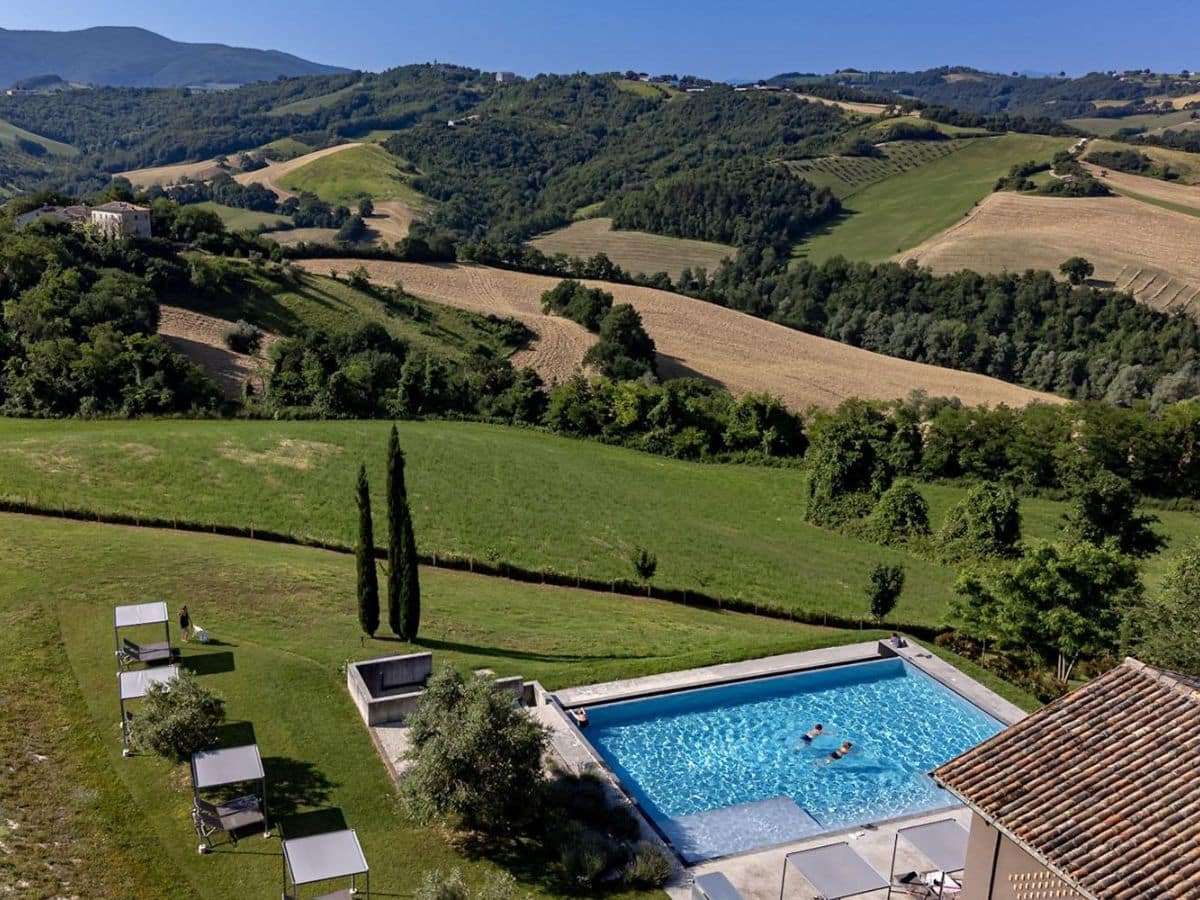
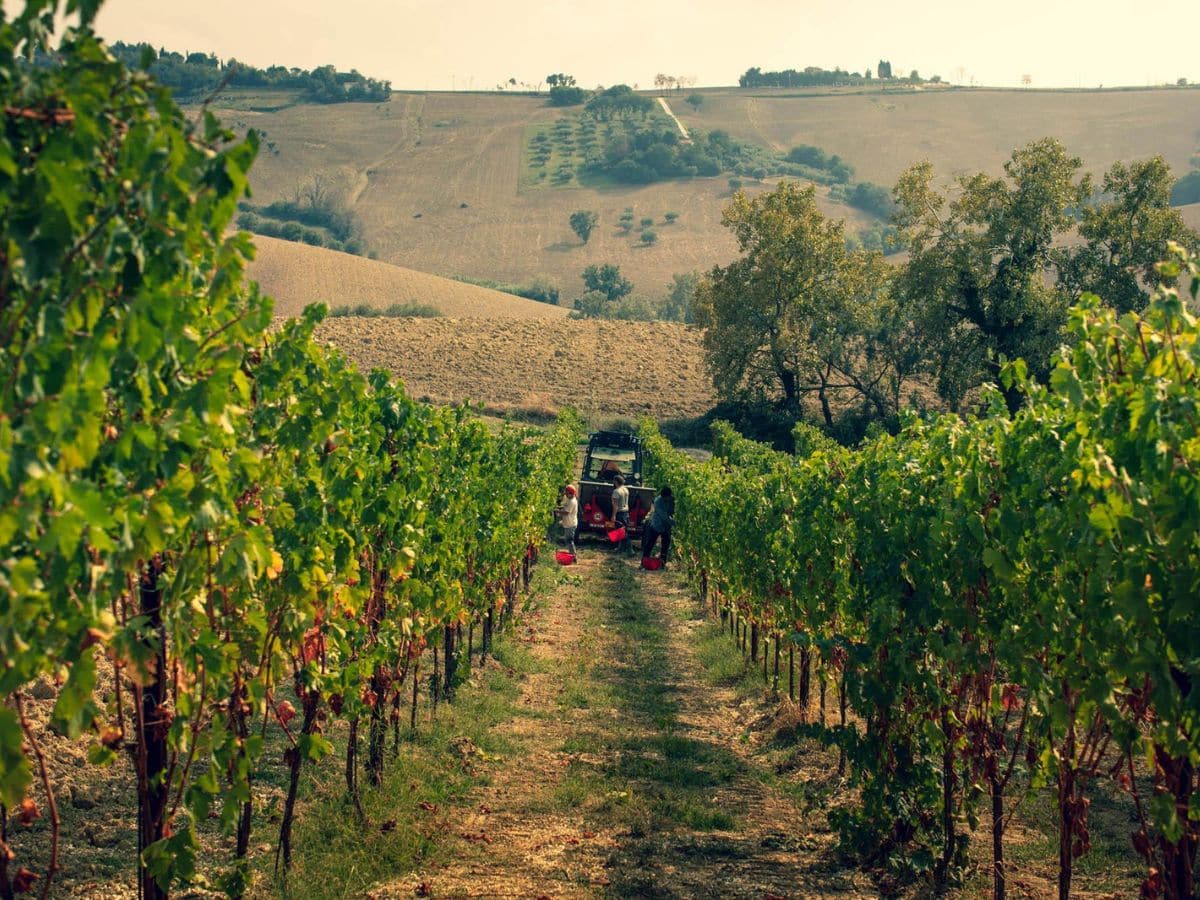
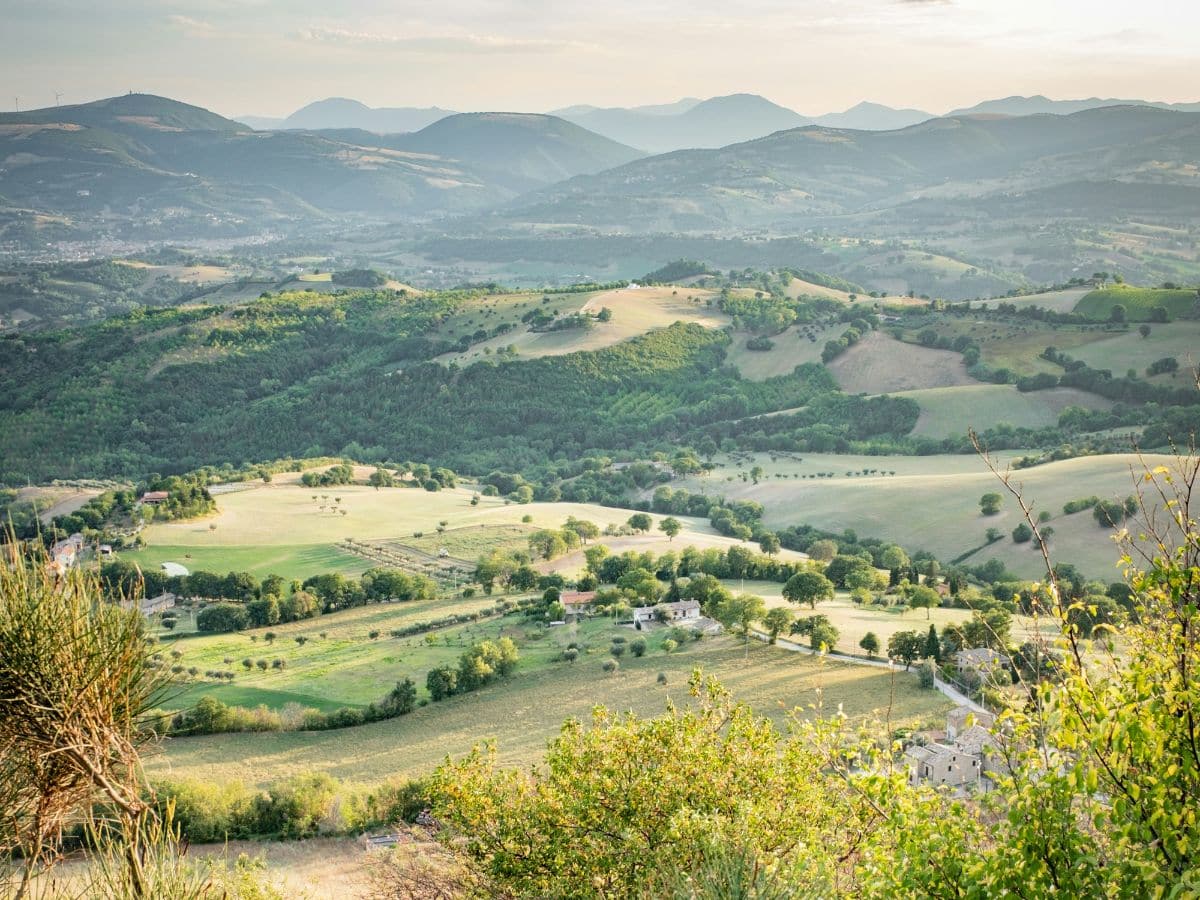
You can be forgiven for not having heard of Le Marche (pronounced Lé Marké). Located east of Tuscany and Umbria, with a 100-mile stretch of Adriatic coastline to boot, it’s Italy’s sixth smallest region and, according to National Geographic magazine, it’s most underrated.
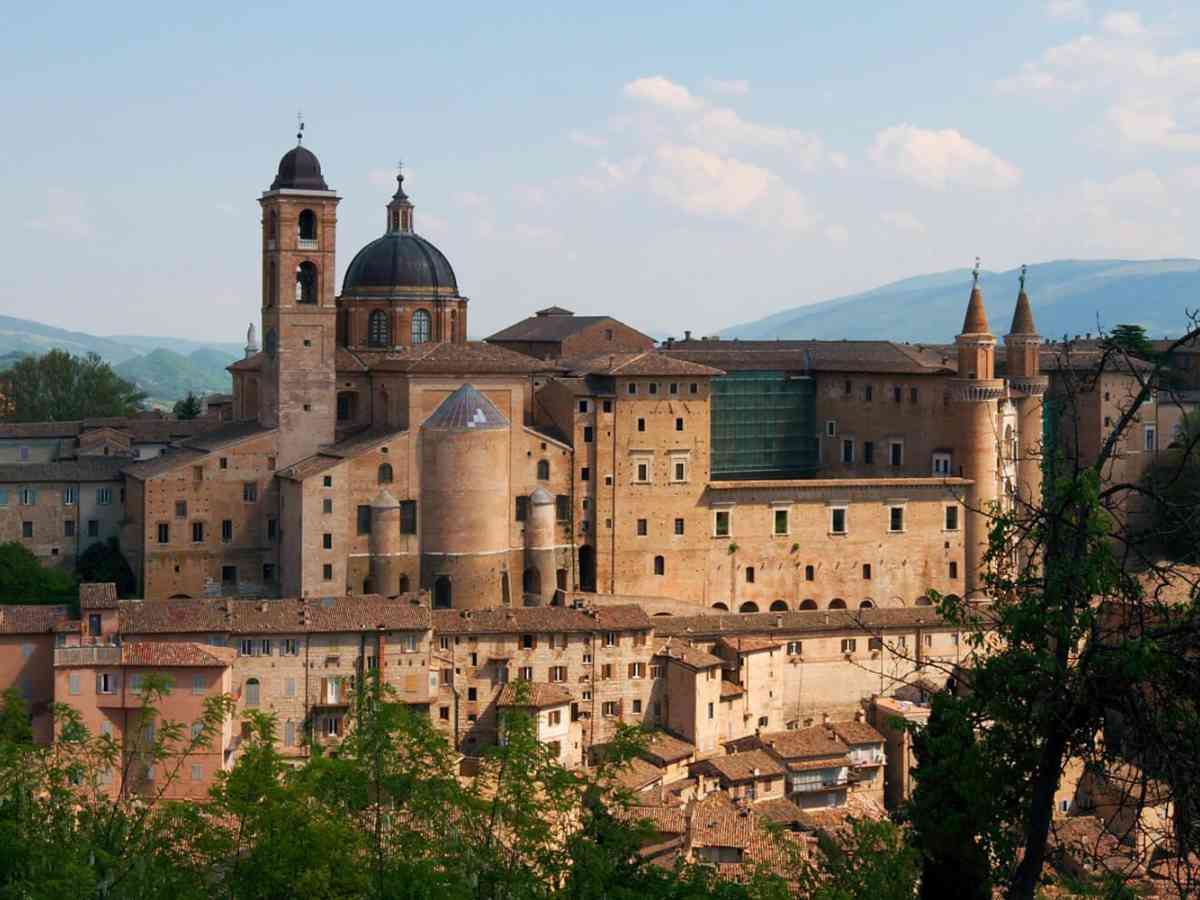
The interior abounds with the same rolling-fields-and-vineyards beauty of its more famous neighbours, plus sleepy hilltop villages packed with history. Urbino is the flag bearer: a stately hub of Renaissance art, architecture and music, centred around the rather grand Ducal Palace. It briefly comes alive with festivals in July & August (Rossini’s music, medieval archery and jousting), then slips back into incognito mode. Compared to the frantic frenzy of Florence or Siena, it’s a godsend.
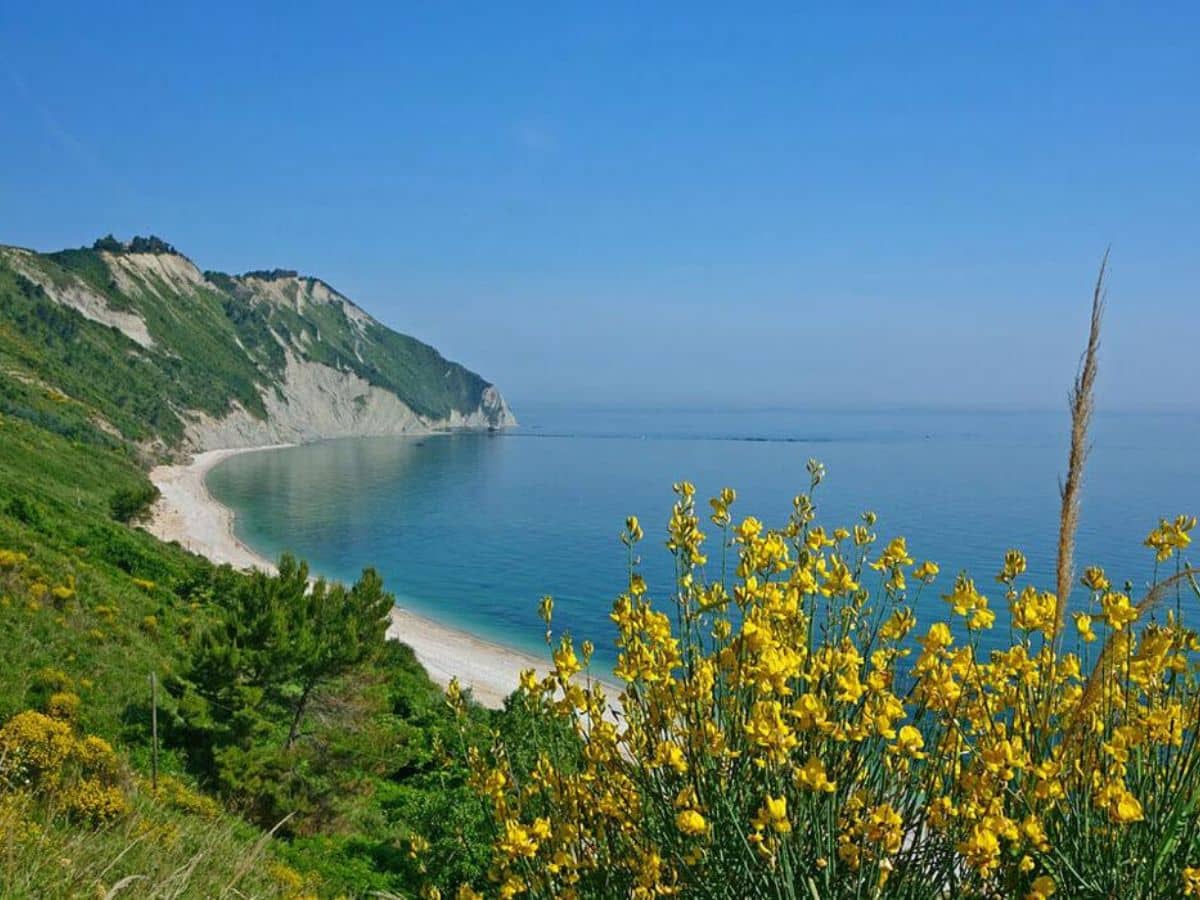
There are other jewels (Urbania, Ascoli Piceno), as well as astonishing caves (Frasassi), and a Strada del Vino linking 30 wineries. Plus, on the Riviera di Conero, 16 Blue Flag beaches, some only accessible on foot or by boat (Due Sorelle, Vela). Of course, you probably won’t have heard of any of these. And that’s precisely the point.
5. Instead of the Lake District, go to the Trossachs
Stay at: Monachyle Mhor or Mhor 84
And experience: hiking, biking and lake swims without the crowds
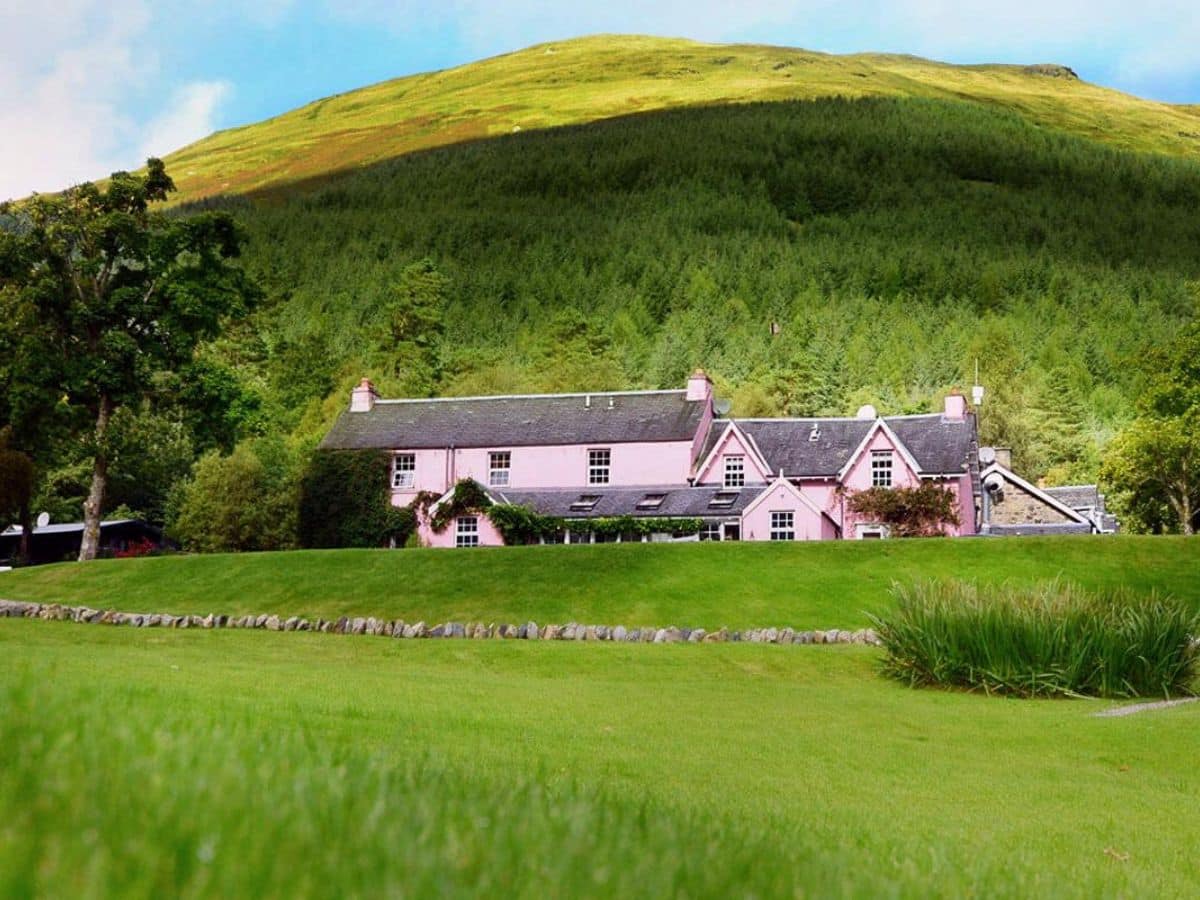
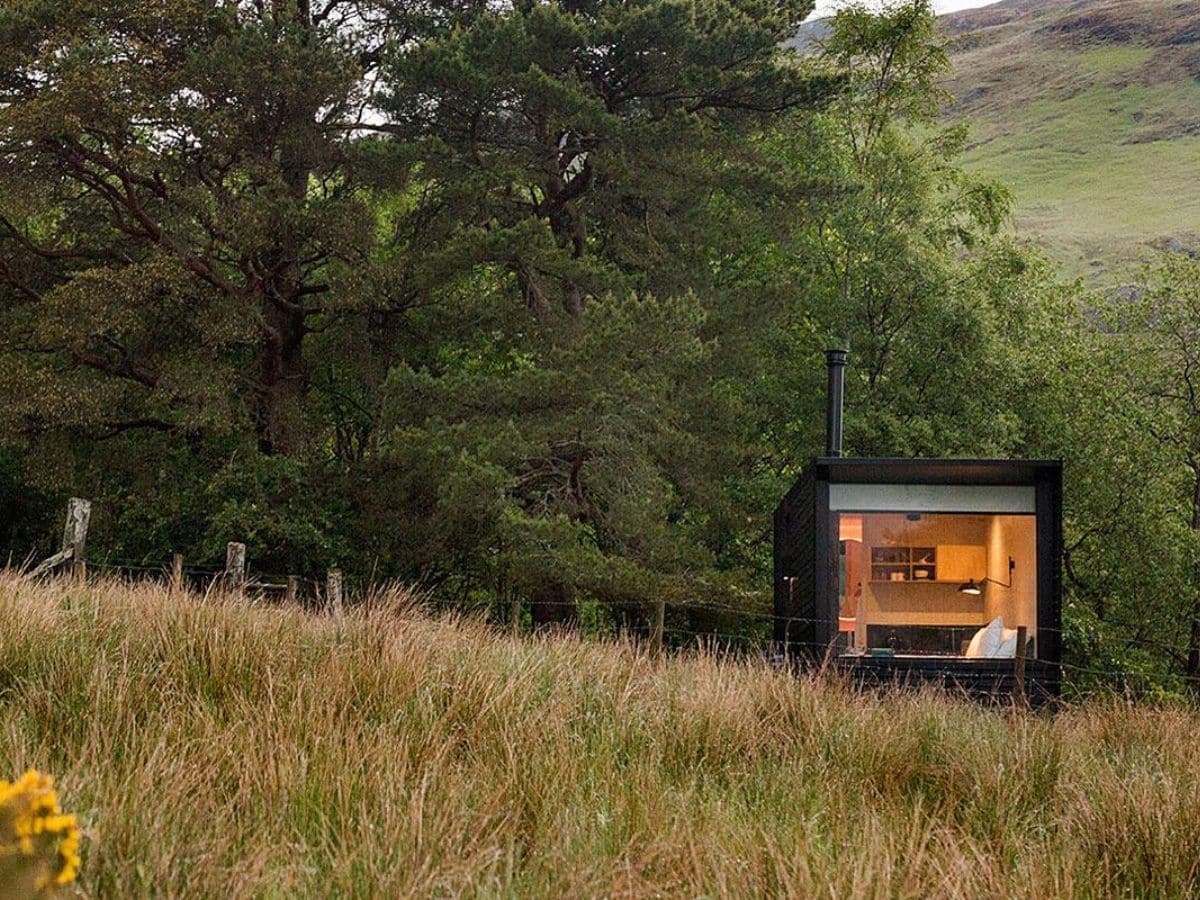
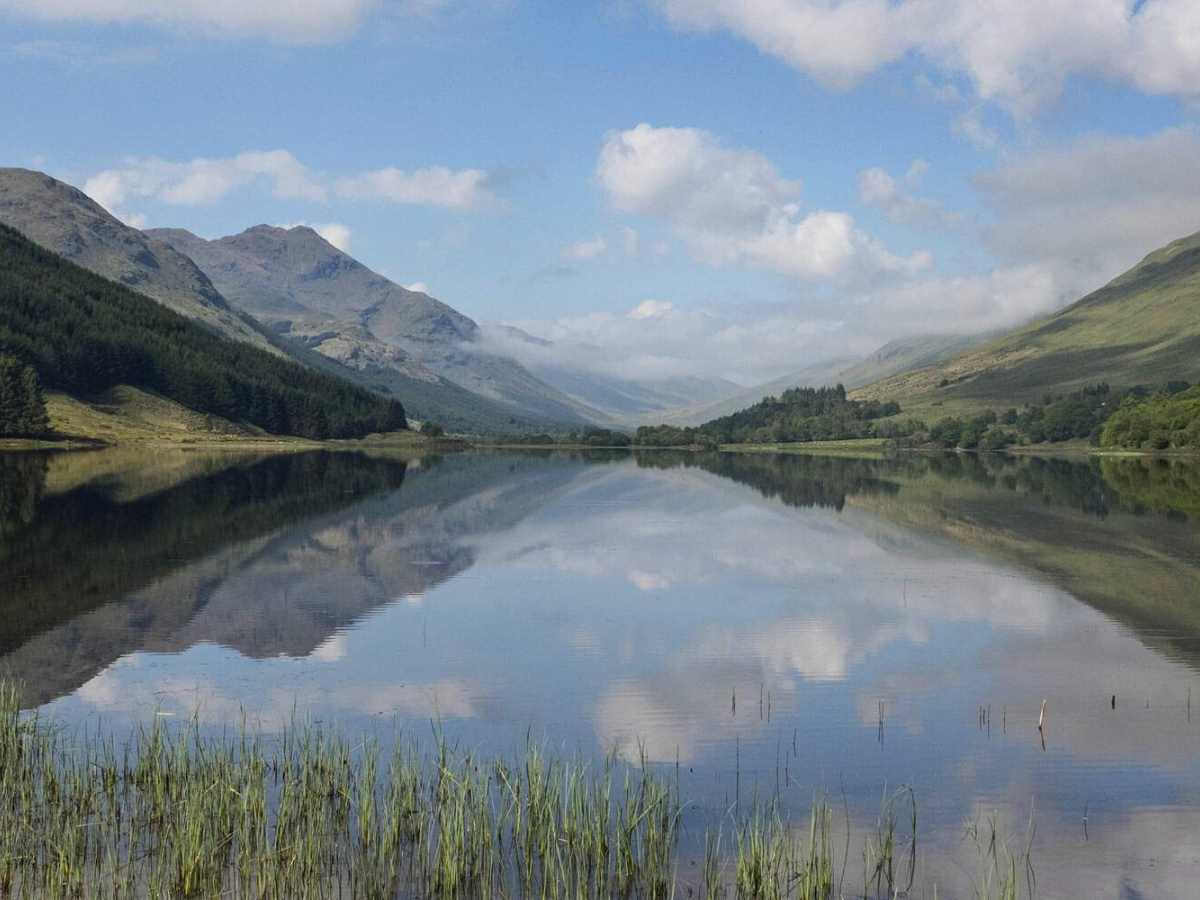
It feels like the British Lake District has recently tipped from being busy-but-popular to critically overcrowded. There’s been talk of overnight visitor taxes and vehicle entry fees – both currently “under review” – to help repair damage from the 18m annual visitors. Eroded footpaths, traffic congestion, lake pollution and a lack of farming diversity are among the concerns, to the point that, two weeks ago, its future UNESCO status was questioned by World Heritage Watch.
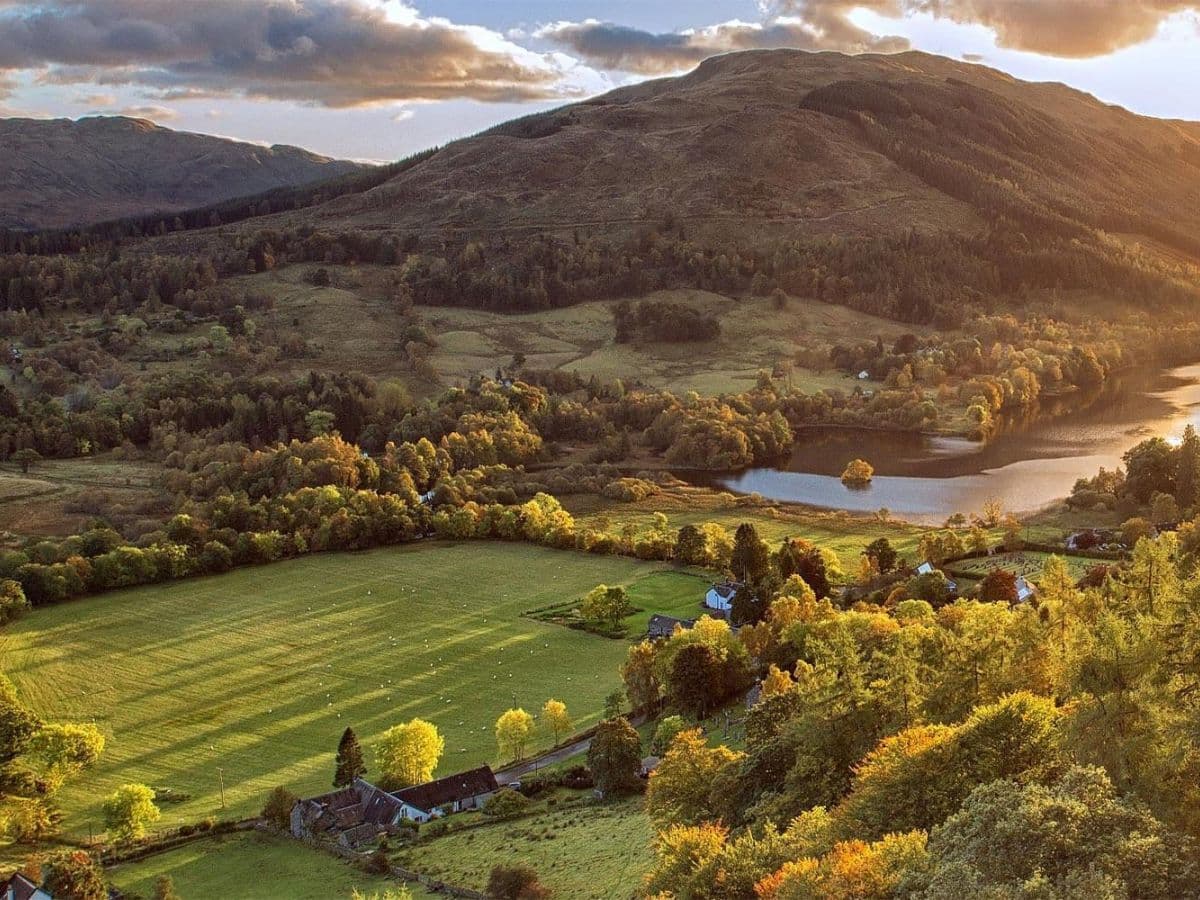
But drive a few hours further north, into the Trossachs National Park of central Scotland, and you won’t be troubled by crowds of ramblers or queuing caravans. Midges, maybe; clouds, possibly. Spectacular scenery, definitely – from the rippling lakes of Loch Lomond up to the 3850-ft summit of Ben More.
Our favourite slice is the glen and lochs of Voil and baby-brother Doine, west of Balquhidder. The names alone make me want to go. Hike the Rob Roy Way, climb Cruach Ardrain, spend a day trout fishing or mushroom foraging, and you’ll barely see a soul.
6. Instead of the Algarve, go to Alentejo
Stay at: Paraiso Escondido or Herdade do Regenguinho
And experience: sand dunes, Atlantic rollers and starry skies
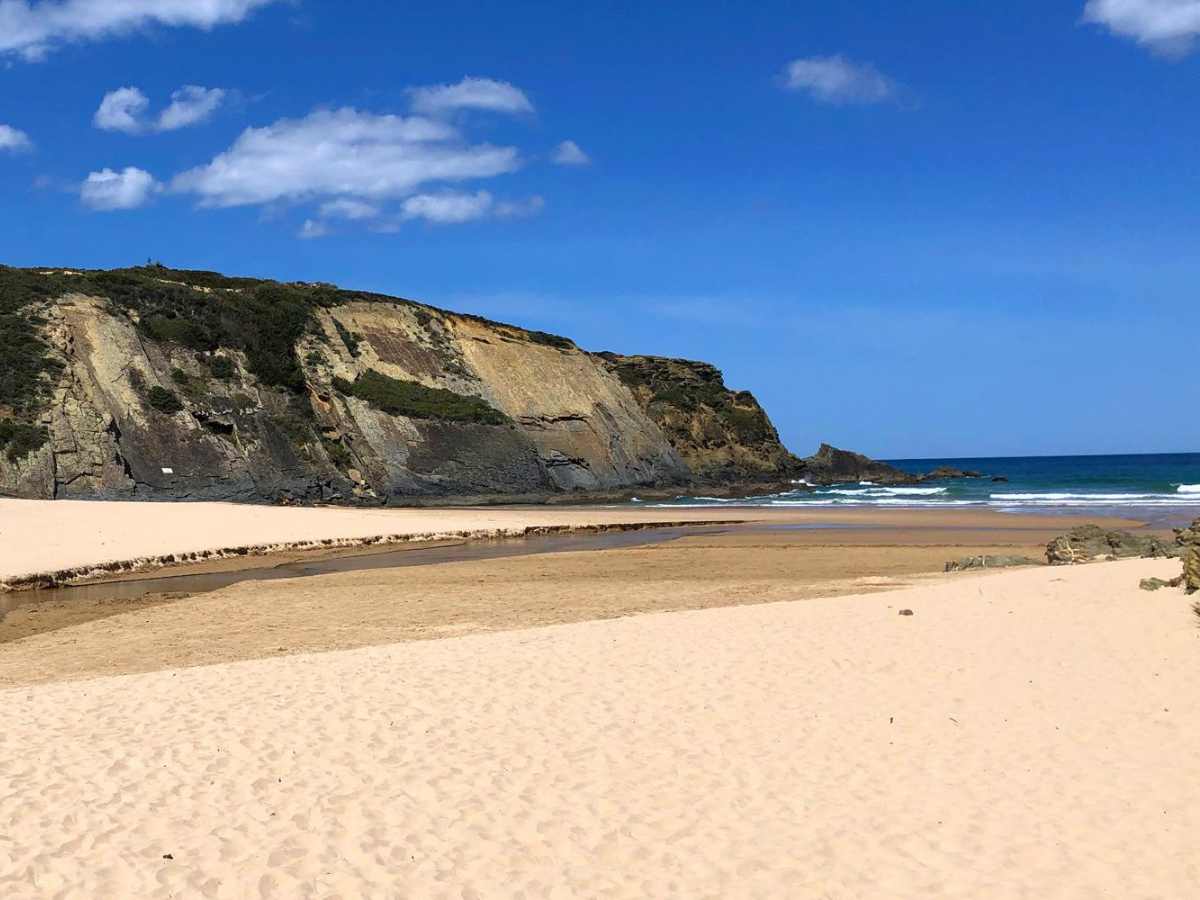
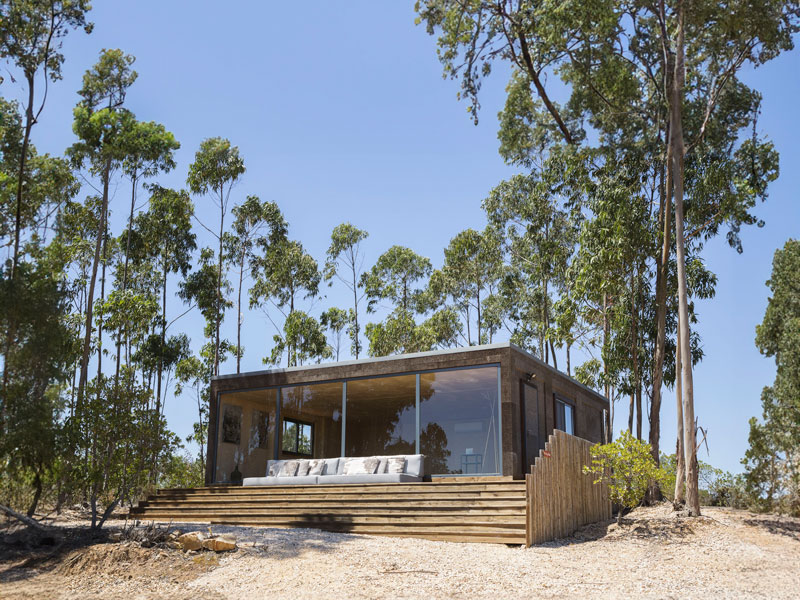
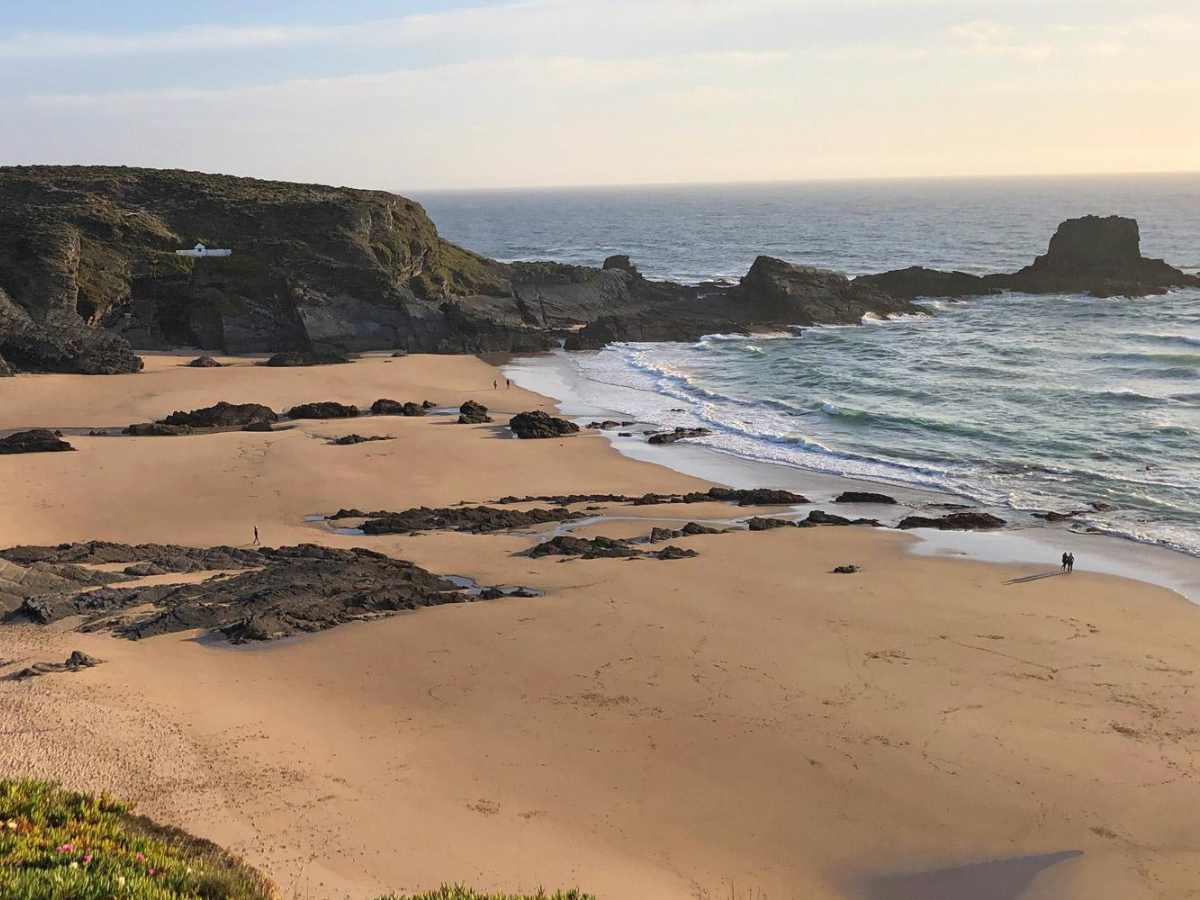
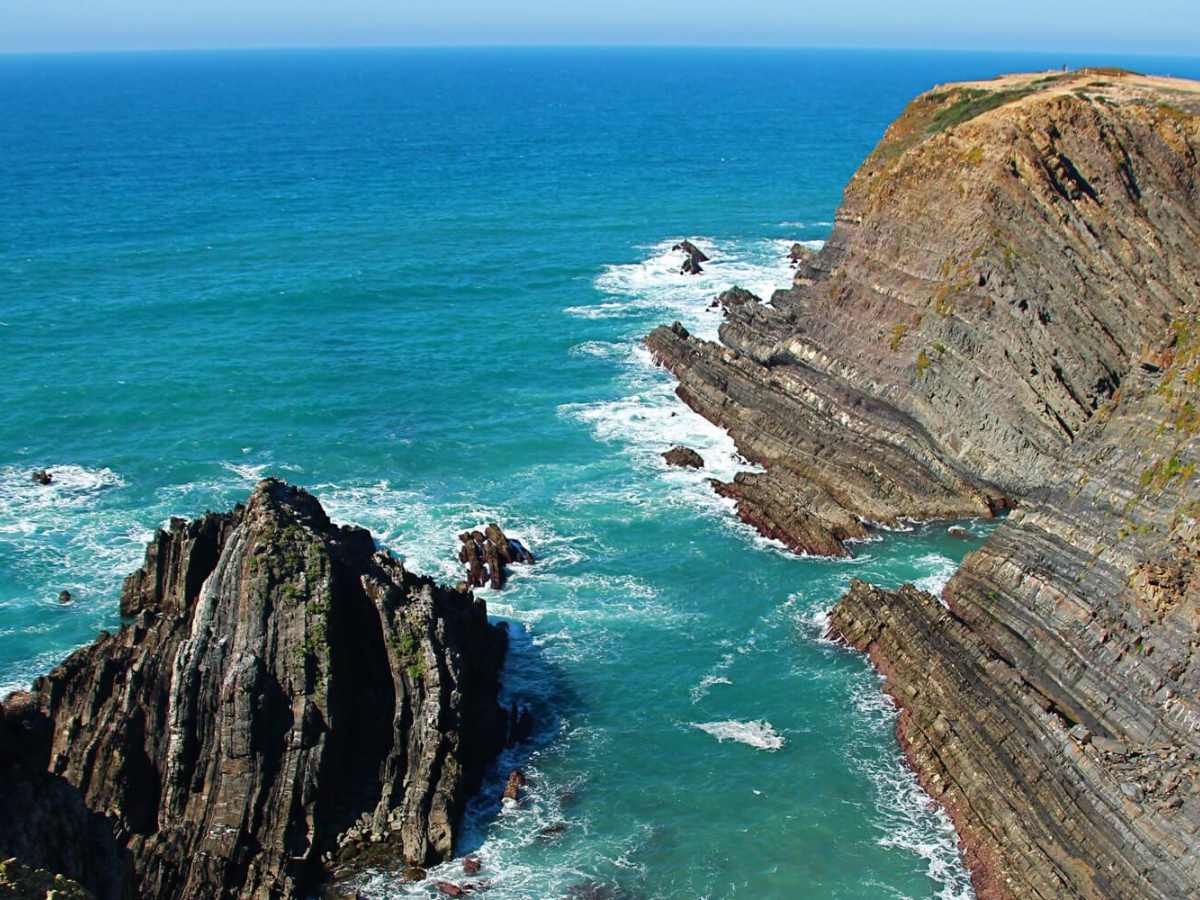
You could say Portugal has been a victim of its own success in encouraging digital nomads and Golden Visa holders. Lisbon is riding a wave of (perilous) popularity; Madeira has become incongruously buzzy and cosmopolitan; and while we love the Algarve, the truth is that to completely escape the crowds, you need to head so far west or east that you are practically in Alentejo or Spain.
But maybe that’s no bad thing. The Alentejo – which most people think of (if at all) as an inland farming region – actually has over 100 miles of coastline, stretching from Troia (near Lisbon) down to the Costa Vicentina. That’s almost the same length as the Algarve coast; but only 10% of the tourist numbers. And most of those are in the north, around Comporta, which has such endless beaches (40 miles or more) that they easily disperse.
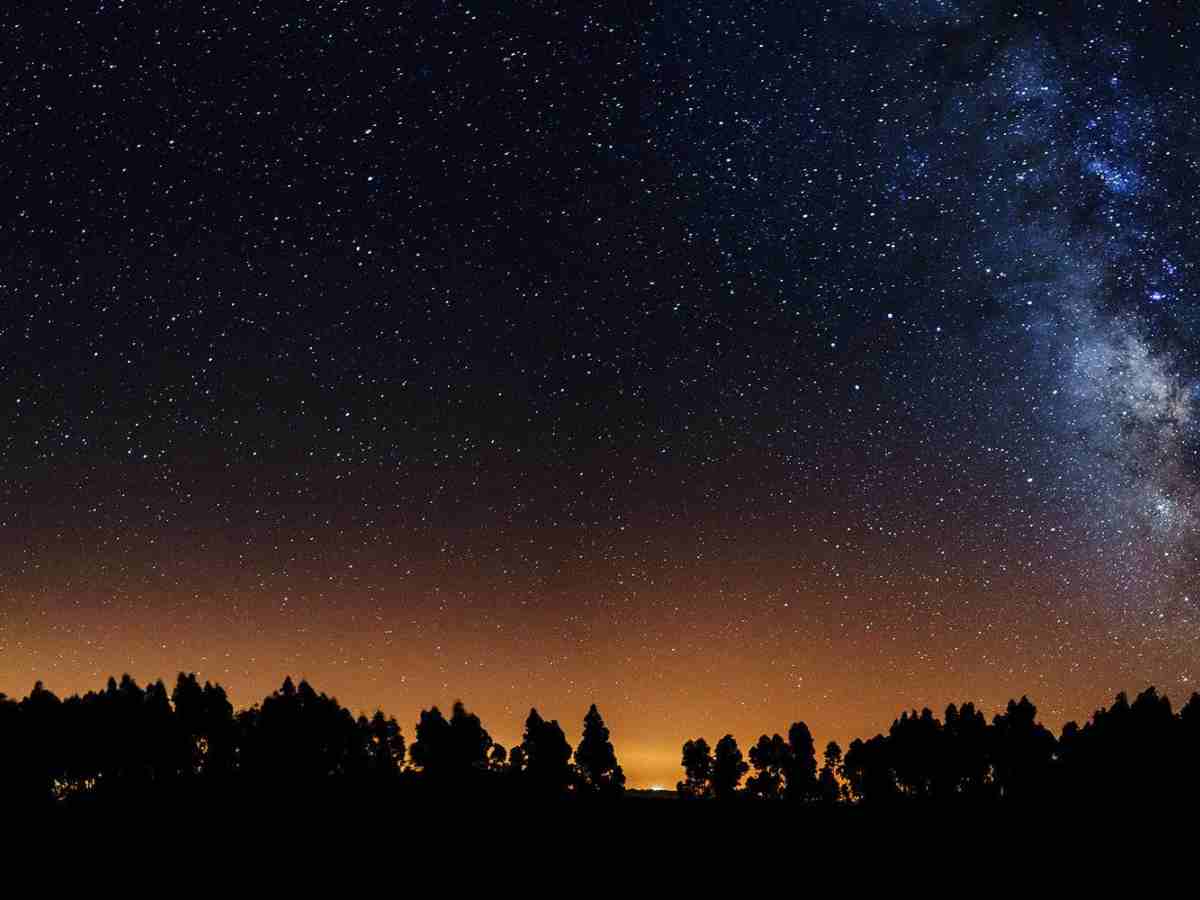
But, for a real dose of “under-tourism”, head south to Zambujeiro in the Vicentina. There you’ll find vast sand dunes, perfect surf breaks and seemingly interminable cork- and eucalyptus-covered hills, rolling away to infinity. With no light pollution, the night skies here are a thing of wonder.
7. Instead of Costa del Sol, go to Asturias
Stay at: Hotel Torre de Villademoros or Bufones de Pria
And experience: surf breaks, sea cliffs and the Santiago trail
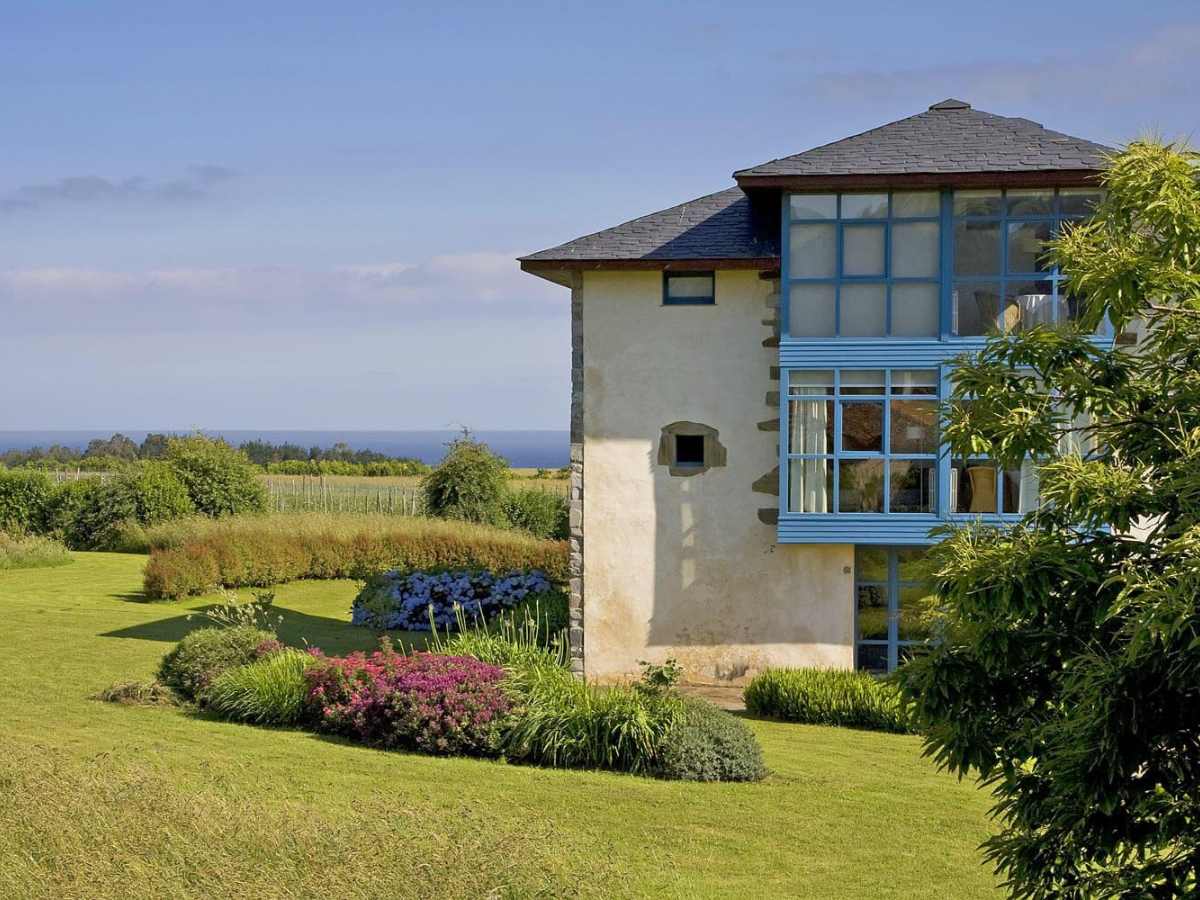
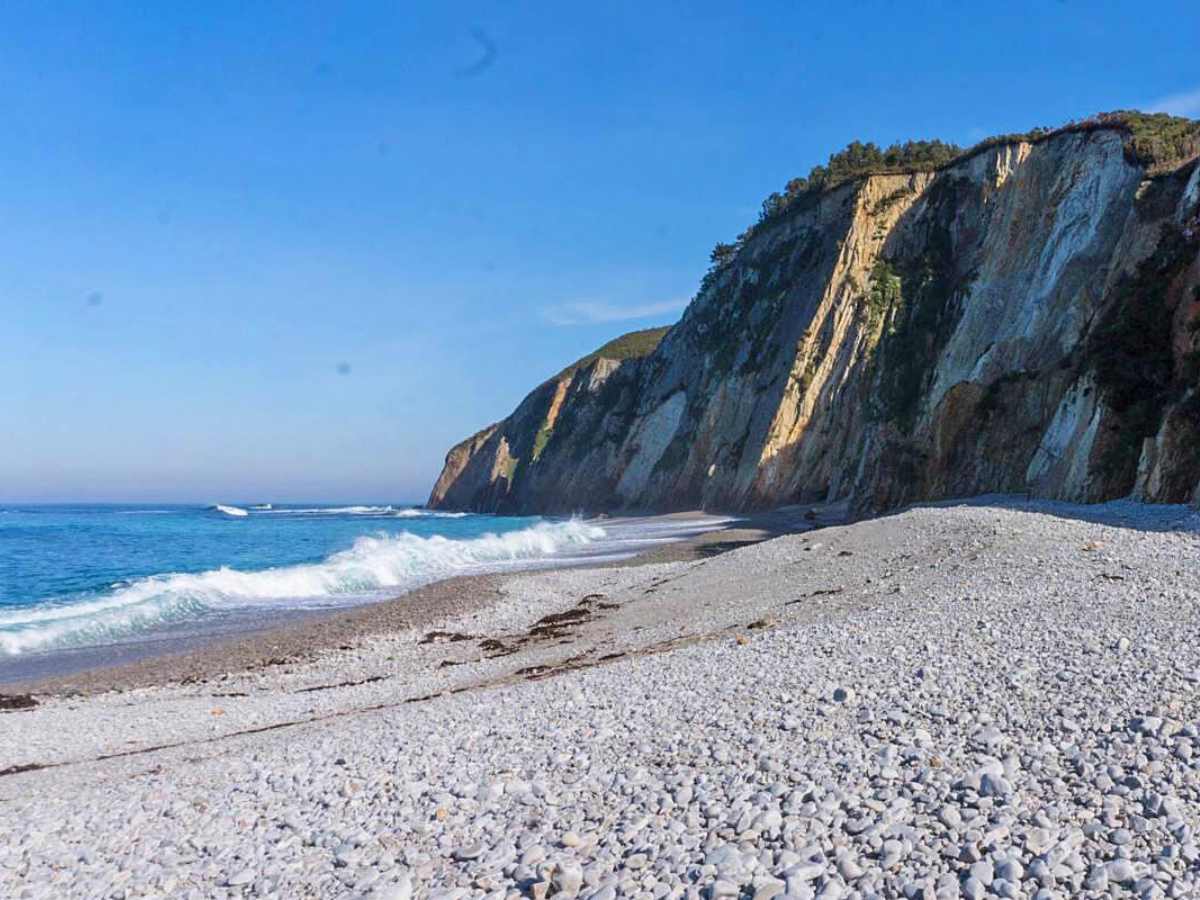
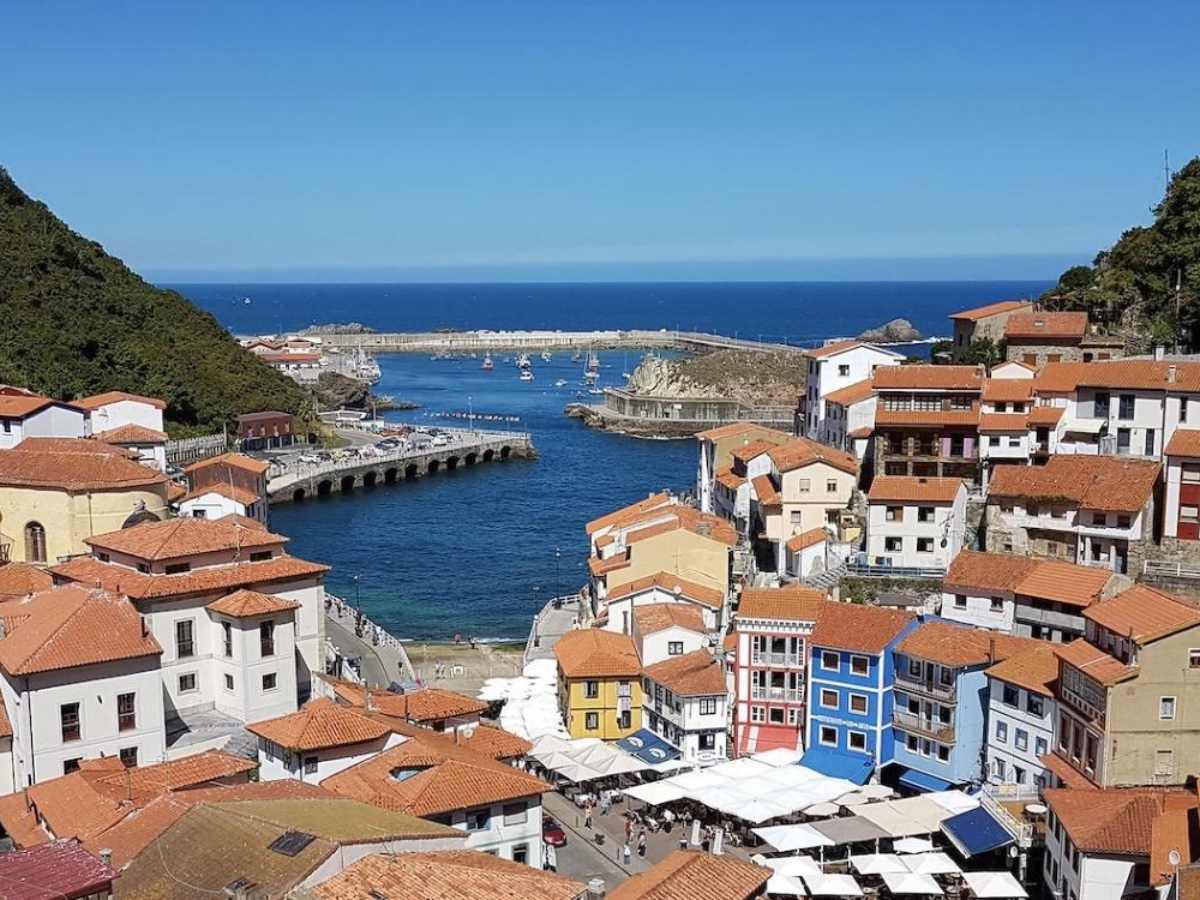
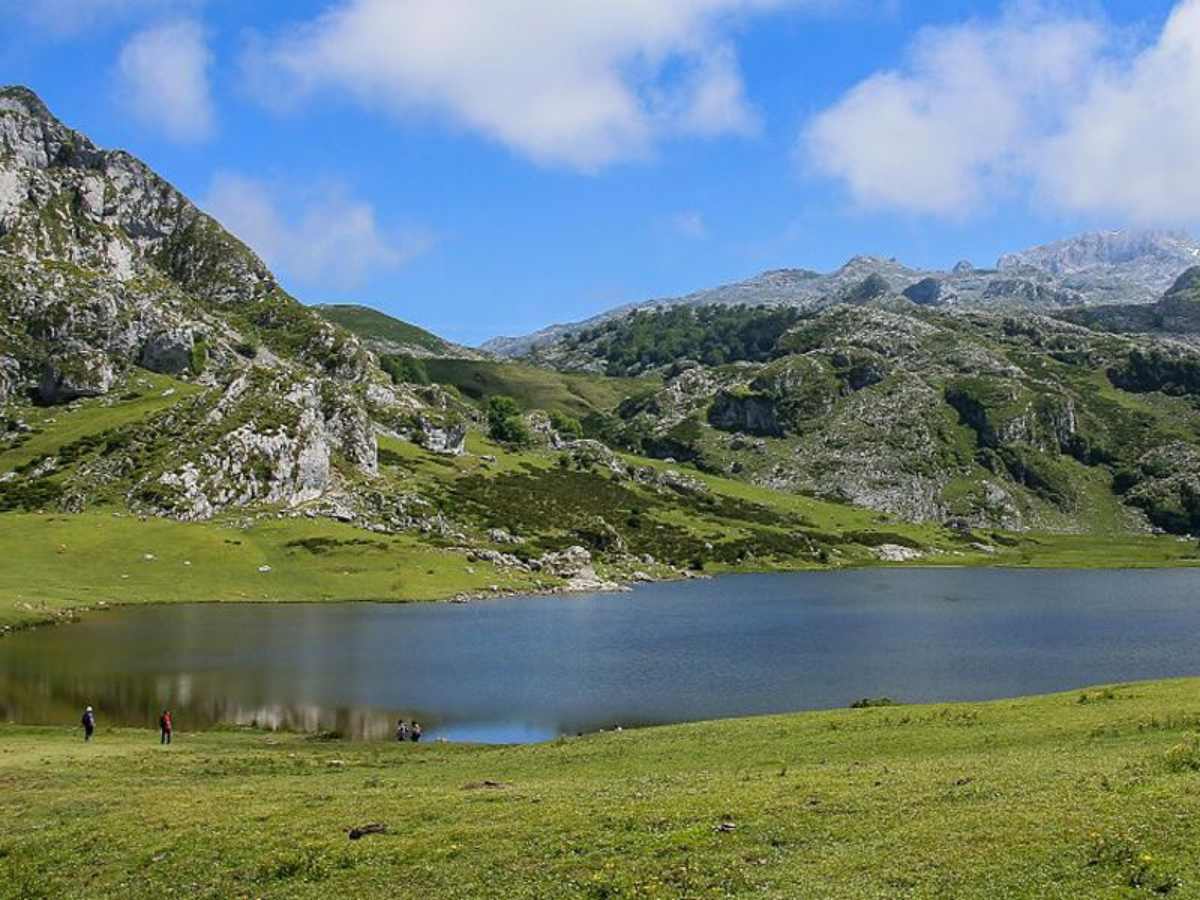
Spain’s north coast is a far cry from those southerly Costas. Instead of long sandy beaches and high-rise hotels, expect wave-pounded cliffs and blowholes, lush mountain landscapes and riverside walks, and a scattering of fishing villages hiding in sheltered estuaries. There are no expat bars here, no beach touts or sunlounger wars. The few tourists you’ll meet are Spanish, plus occasional groups of Santiago de Compostela pilgrims.
We love the cooler temperatures, the warmer welcomes, and the freshness of the food here in Asturias. Specialities include Biscay tuna and squid, creamy Cabrales cheese, and – weirdly – cider. Think of it like a secluded, sunnier, Spanish version of Brittany, but backed by huge mountains: the Picos de Europa will take your breath away. Best of all, unlike some subradar destinations, Asturias airport has cheap direct flights from several British cities. And it’s a great family option too, as our Kids Collection Editor found out. If you need more inspiration on what to do and where to eat, check out our guide to Asturias.
8. Instead of Marrakech, go to Fes
Stay at: Riad Laaroussa or Dar Seffarine
And experience: an authentic Moorish medina as it used to be
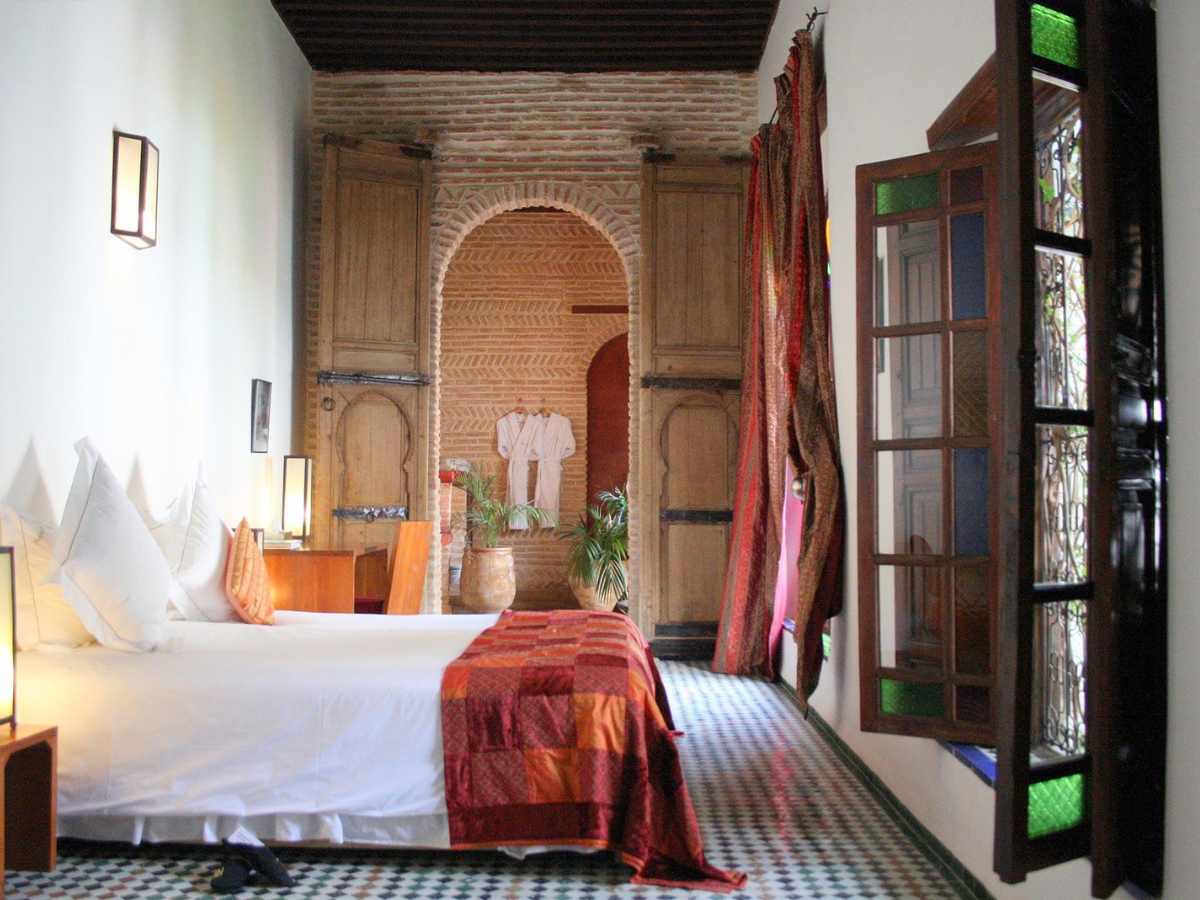
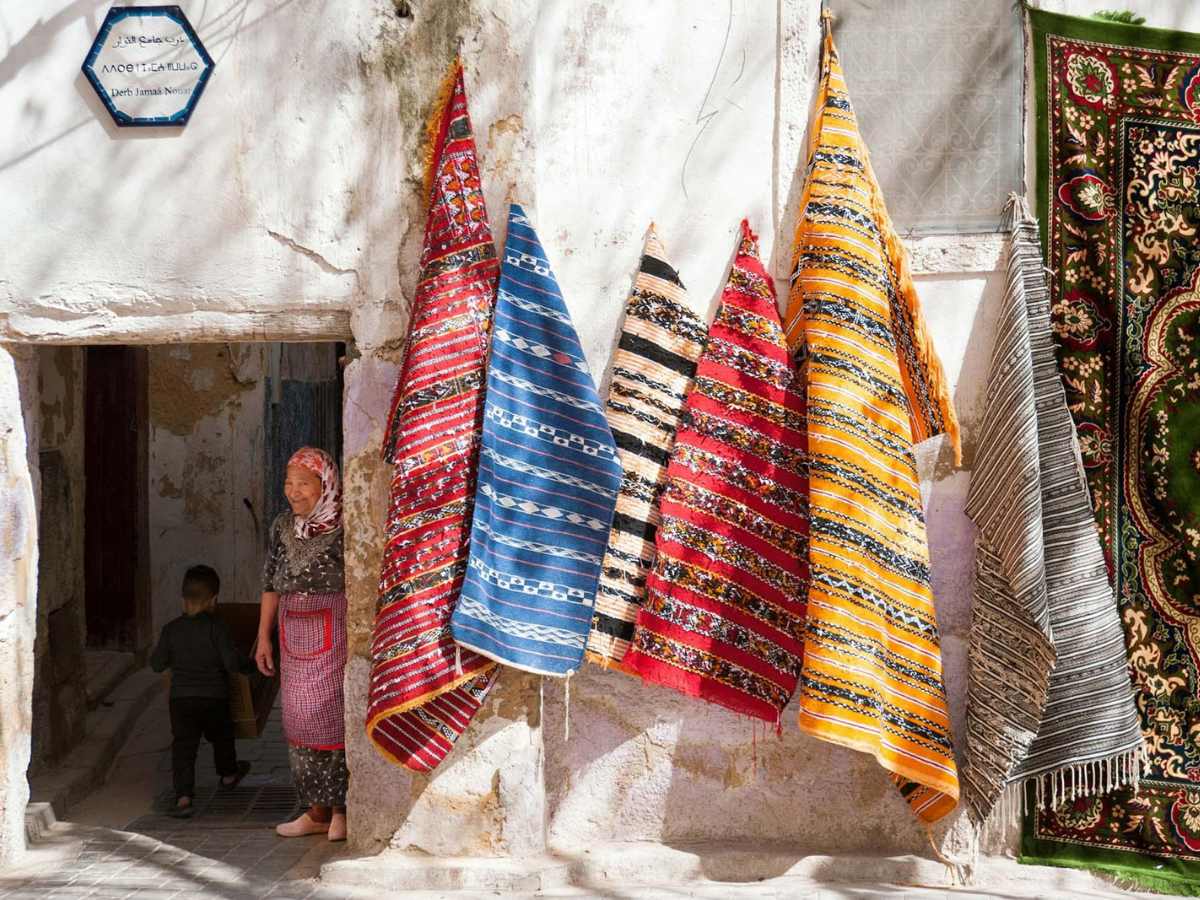
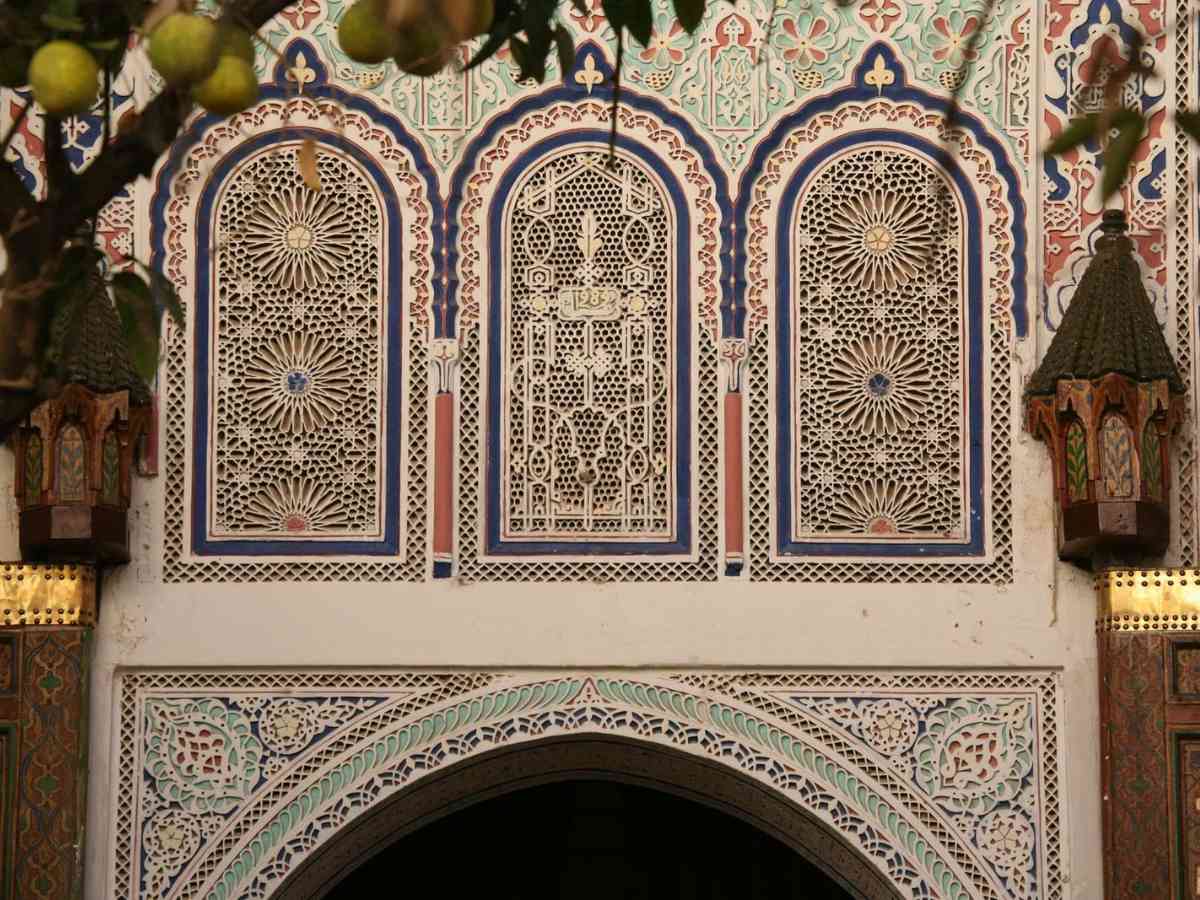
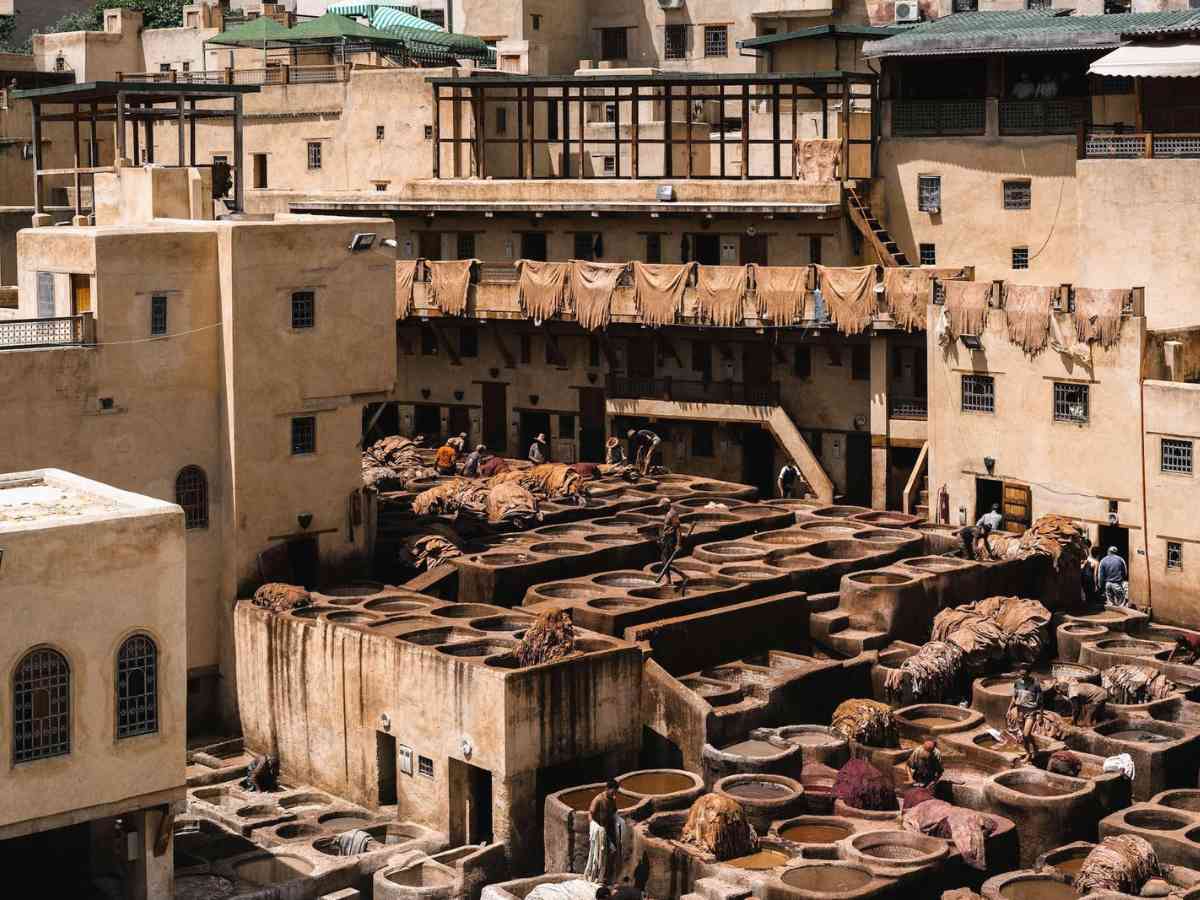
On my last visit to Marrakech, arriving after dusk, I remember probing my way down dark alleys, dodging donkey carts and scuttling kids, to finally find the heavy, unmarked cedar-wood door of my riad guesthouse. How authentic it felt, how far from everything! Next morning I headed up to the roof terrace, yawning and blinking at the bright sun, and looked across at the neighbouring roof – to see another pasty Englishman yawning and blinking. And waving. He was a friend from university days.
With over 1,500 riad hotels in a medina of maybe 7,500 homes, all attracting a similar profile of semi-adventurous middle-European traveller, it’s no surprise really. But head over to Fes, a city of 1.2 million, with a medina of 15,000 homes and just 300 hotels, and it’s a different story. This is a real, working, living city, awash with leather tanneries and copper beaters, woodworkers and ceramic painters, smoking msemen (pancake) grills and aromatic maakouda (spicy potato cake) stalls. It feels like Marrakech 30 years ago: hardly any touts, and you’ll need a local guide to enter the medersas or workshops. For tips on that, read my colleague Ben’s trips and tips on Fes.
Looking for more ways to get off the beaten path? Discover 12 secret hotels you won’t find on the big booking sites.
Date published: 26 Jun 2025
Last updated: 26 Jan 2026