

On her last trip as Editor (maternity cover) at i-escape, Evelyn takes a slow tour of Southern Sicily, wining, dining and dodging summer crowds as she stays at some of our favourite hideaways in Italy.
Late August in Sicily is a dream ablaze – cobalt water glistening mirage-like above sun-bleached beaches; baroque cities painted in dusty gold light; Campari spritzes sweating at sundown. Normally, I would avoid the peak summer crowds, but when Sicily calls, no matter the season, you’d be a fool not to answer.
It’s hard not to get poetic about this Mediterranean island (just ask Homer). Sicily’s fertile landscape and rugged coastline have served as inspiration for ancient myths and legends for centuries. Conquered and claimed by many, its history is a rich tapestry interwoven with power, poverty, politics, earthquakes, eruptions, corruption and revolution. Its face has become a constellation of many cultures, and yet it remains truly, deeply… Sicilian.
But on this recent trip, I didn’t seek out any of this history. Instead, I let myself drift across the Val di Noto on that elusive, sunbaked haze of a Sicilian summer. Instead of touring, I tasted: all of the fresh seafood, wine, chocolate and salty air that drifted my way. I also stayed in some truly remarkable places – all charming, peaceful, full of character and designed by exceptional designers and dreamers.
Hotel Gutkowski
Ortigia
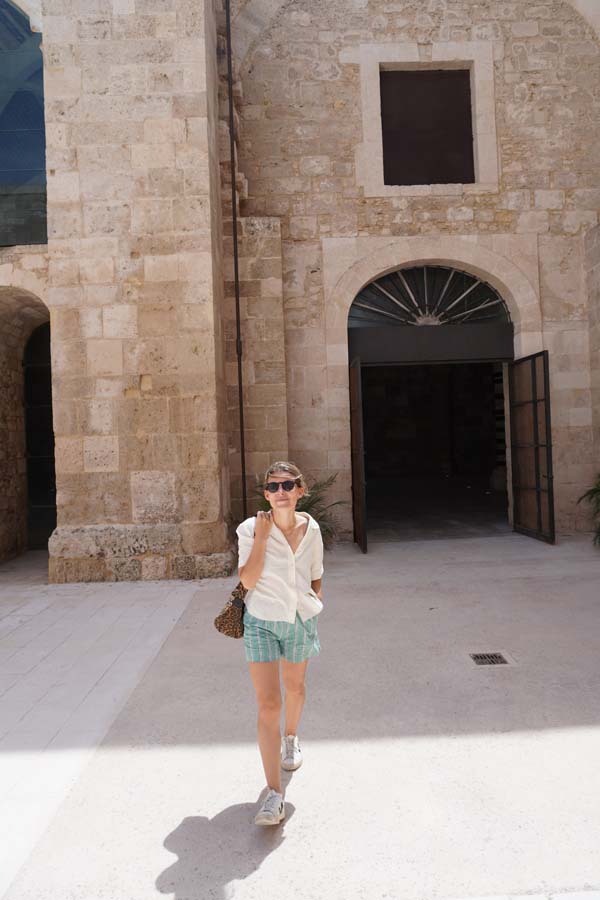
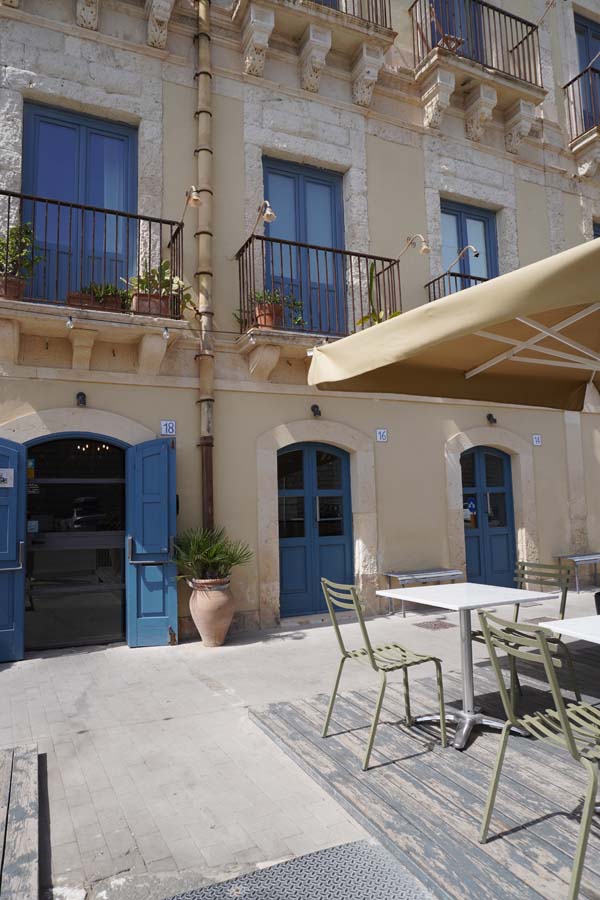
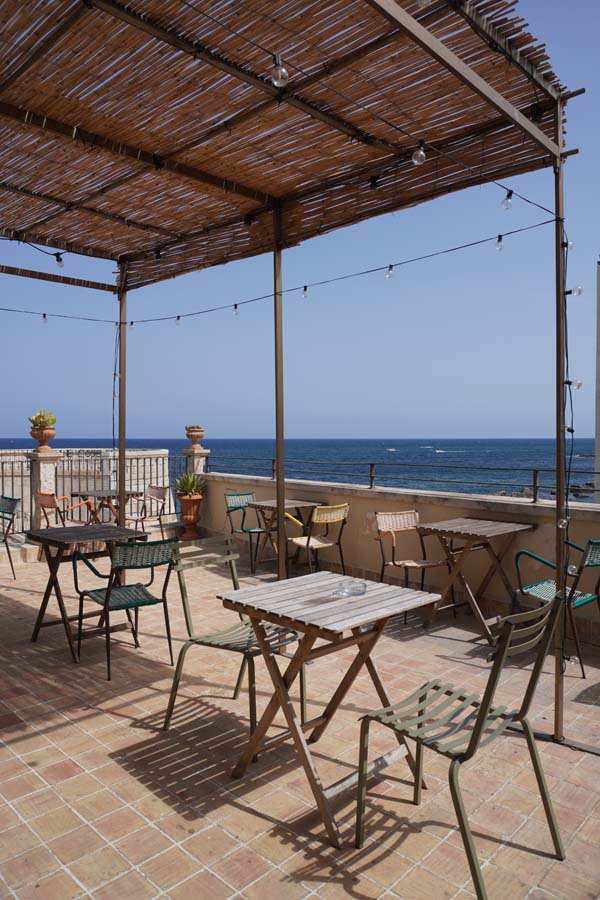
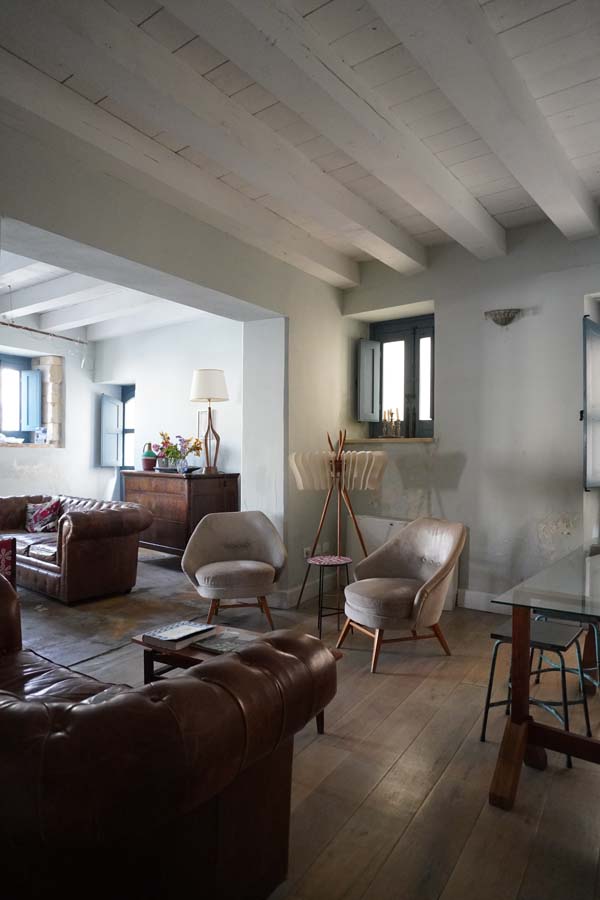
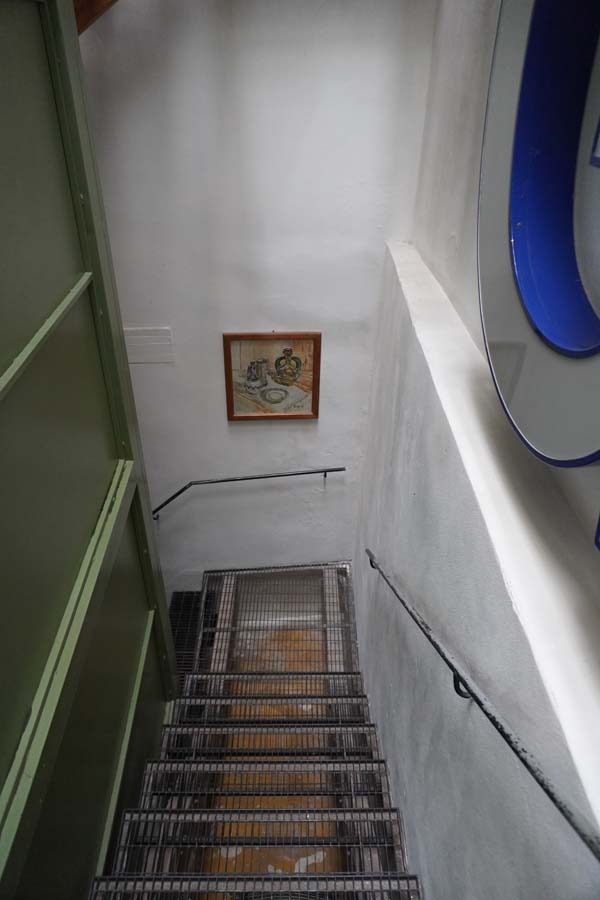
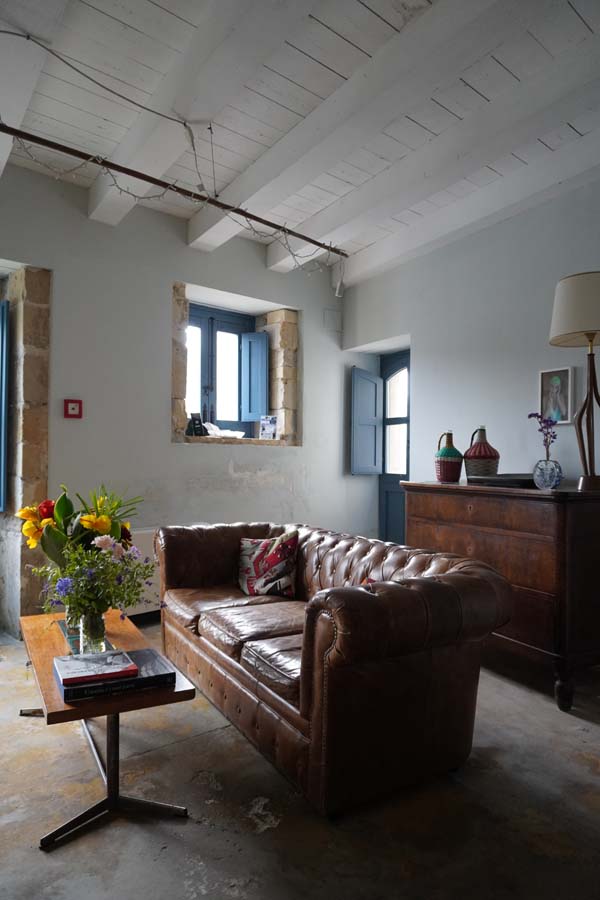

After flying into Catania, we make our way to Siracusa, stopping for a pistachio granita and brioche to escape the midday sun. Walking along the pink-tree-lined streets, we find ourselves crossing over the bridge to Ortigia, the small island known as Siracusa’s old town.
Ortigia is a fascinating mix of ancient Greek, Roman, Norman, Arab, and late Baroque architecture. We wander through the winding, narrow streets, flanked by inquisitive felines, past peachy houses draped in bougainvillea, to the east side of the island. Here, just out of the crowds but moments from the action, Hotel Gutkowski stands proudly looking out across the sea.
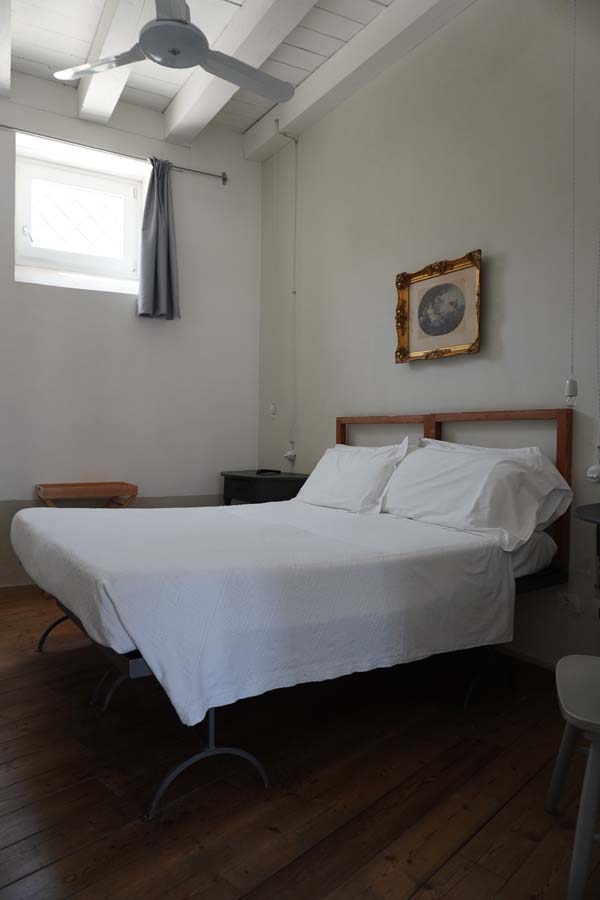
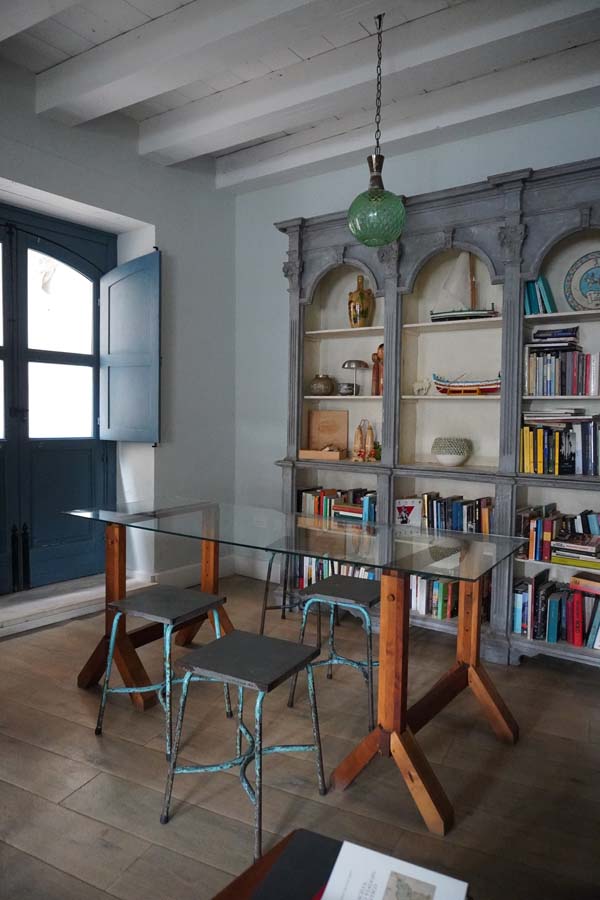
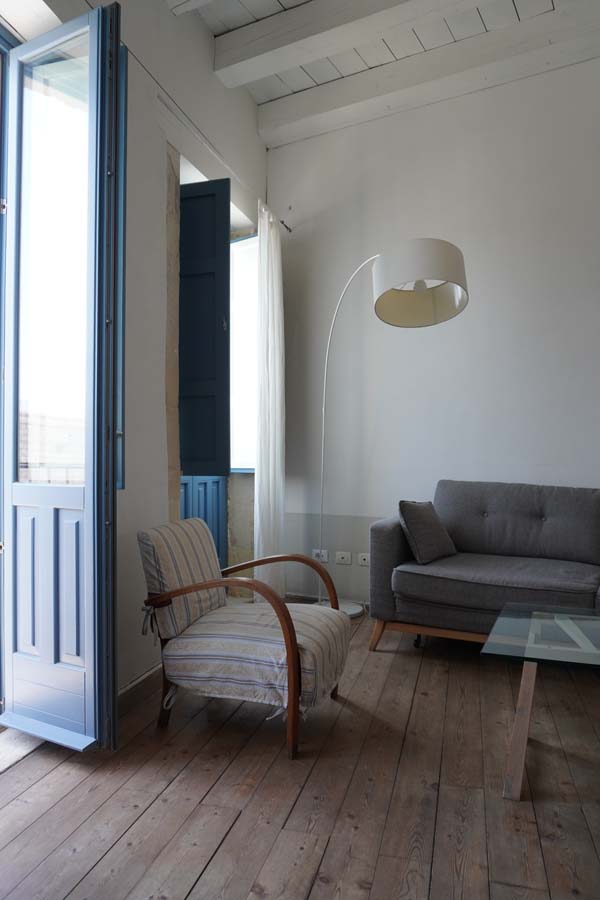
We’re given a friendly welcome in the airy reception and are shown through the lounge, furnished with antiques and decorated with fresh flowers and local art, and up the industrial metal staircase (there’s also a lift). Our Plus room is simple and spacious, with a kingsize bed, a sofa and a small daybed. Some of the paint is peeling in the corners, and the decor is sparse, but it’s comfortable and bright. The French doors open out onto Juliet balconies that look directly across to the high sea wall and along the seafront.
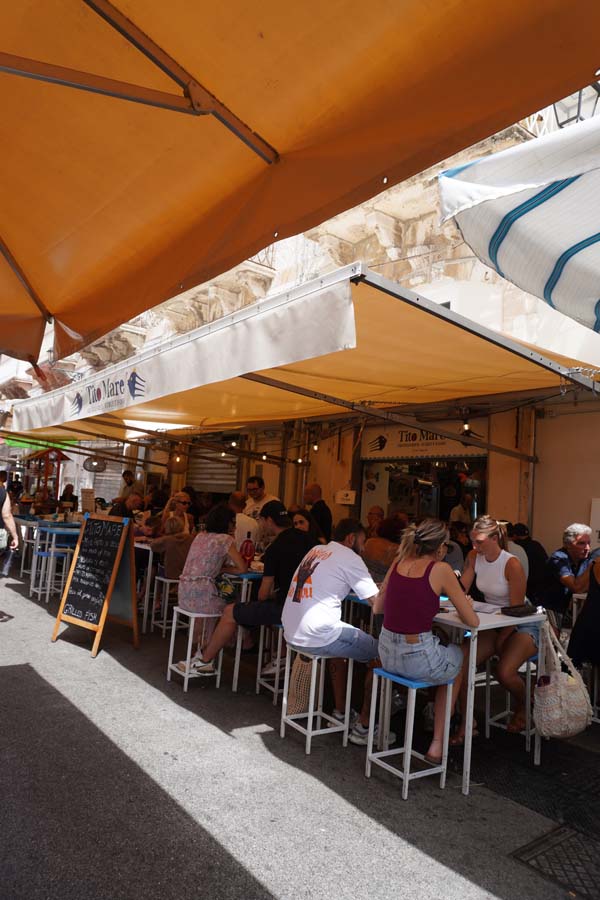
Here begins two blissful days exploring Ortigia. We feast on fresh seafood at the food market around the corner from the hotel, slurping down salty oysters shucked in front of us with cold glasses of white wine. We explore Castello Maniace’s blustery ramparts, cool down with a dip off the jagged, rocky alcoves along the city walls, suffer a freak jellyfish sting, then ease the pain with a Campari spritz back at the hotel’s roof terrace. That aperitivo rolls into a delicious and imaginative dinner as the tables are dressed in white tablecloths and candles, and the scene is transformed into their utterly romantic vegan restaurant Gutkowskino.
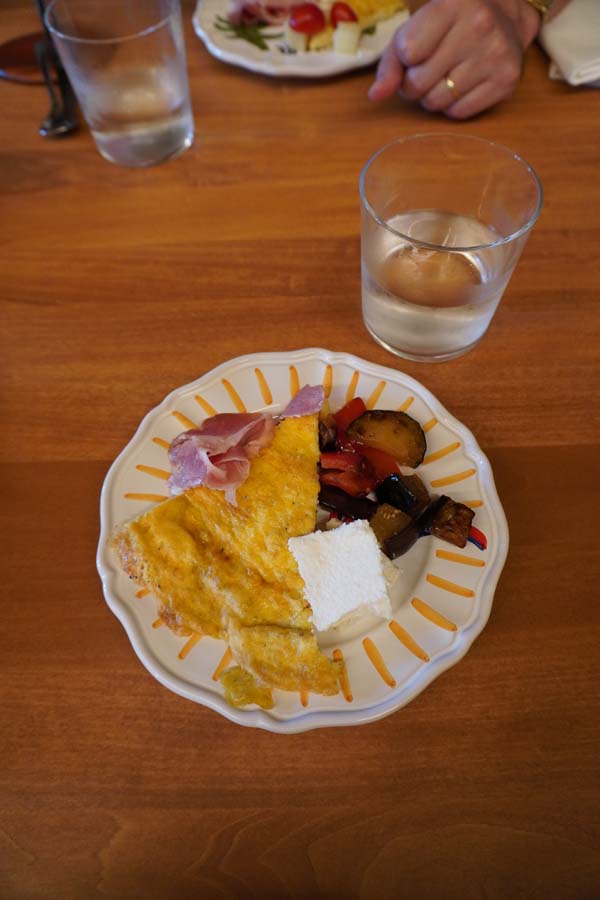
On our last morning, we’re greeted by Gutkowski’s lovely breakfast spread, with homemade frittata, fresh fruits, cheeses, cakes and cookies. Couples, families and friends filter in around us, and there’s a breezy feel of a convivial guesthouse we’d be only too pleased to return to year after year.
The Architect’s Hideaway
Near Ispica
For centuries, this part of Sicily, a rocky plateau sitting between Noto, Modica and the south coast, was known for its abundance of cows and the economic independence they earned their proud owners. Locals have called it Sicily’s Switzerland, an island within an island, one that even the Cosa Nostra dared not encroach upon.
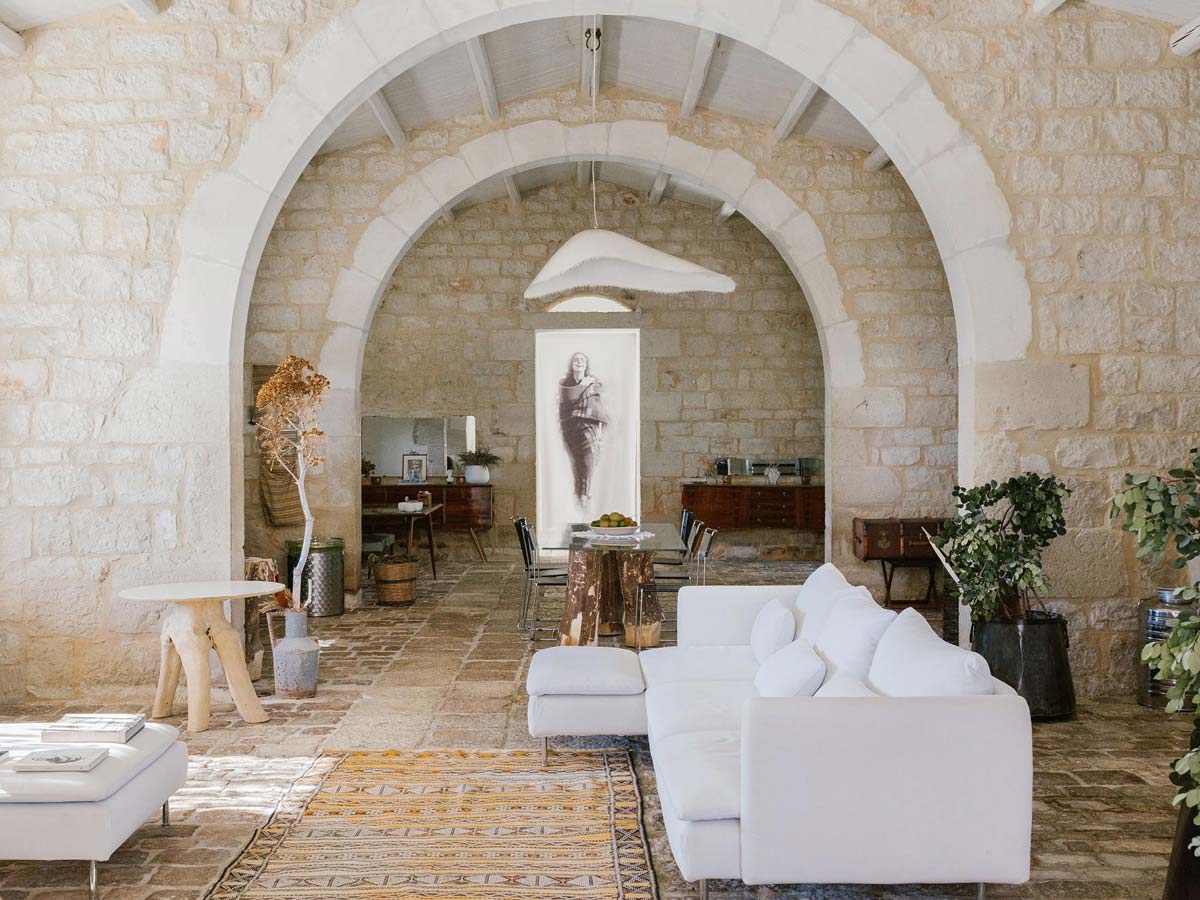
Or this is what Daniela, the owner of The Architect’s Hideaway, tells us when we meet her in the sun-bleached limestone courtyard. We’re led into her restored farmhouse, once home to aforementioned cows, which is now an open-plan dining area and lounge, and Daniela’s partner, Istvan, brings us rich coffee and freshly baked cake.
Daniela’s life has been one for the storybooks – forbidden romance, a single mother, a proud yet divided Sicilian lineage, travel, education, reunification, and a career as an architectural engineer in Brussels – passion has been the through-line, and she eventually followed it here to this ancient farmhouse in her motherland.
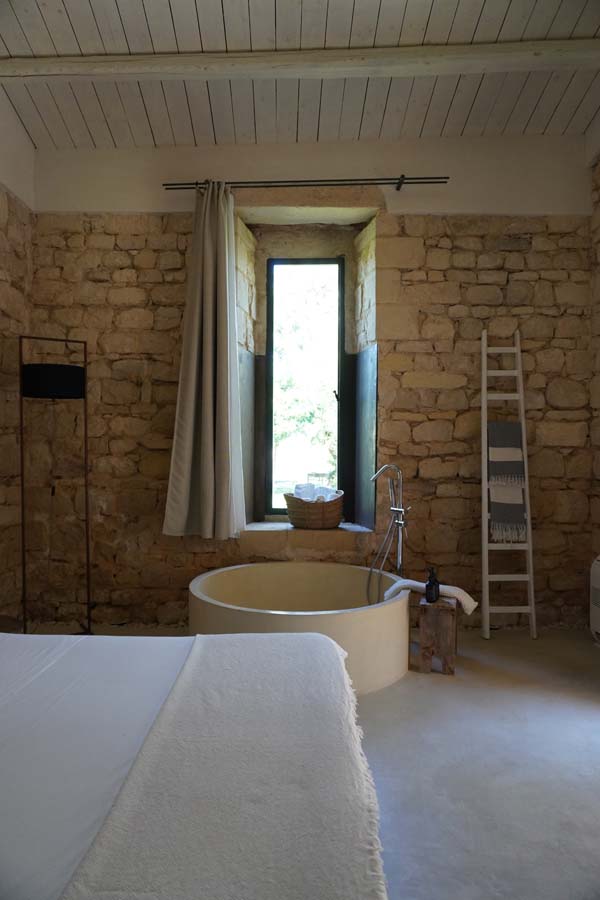
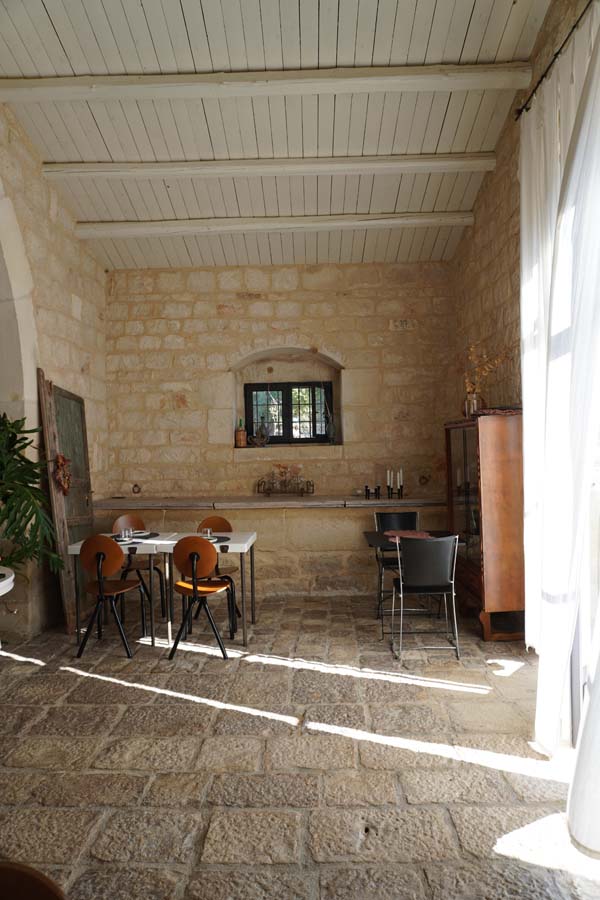
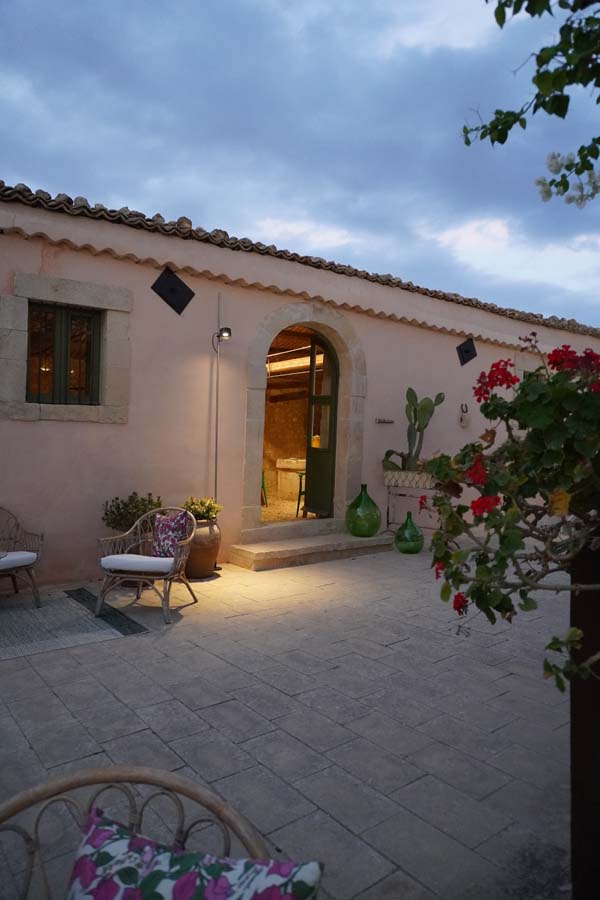
The buildings, once used for housing farm animals and making ricotta, have been tastefully restored with their original limestone walls, flagstone floors and vaulted ceilings. Each room and suite is airy and light, and many have views of the sea on the horizon. Contemporary features like iron-hemmed windows and glass doors are elegantly intertwined with organic materials and rustic stone baths and basins.
We stay in Lo Specchio, which opens into a little courtyard with a view of the distant sea through a picturesque stone door. Inside, a tall mirror opposite the window catches the sunrise in the morning, casting a beam of pink light across the room and bouncing off the water in your morning bath (should you choose to pour one).
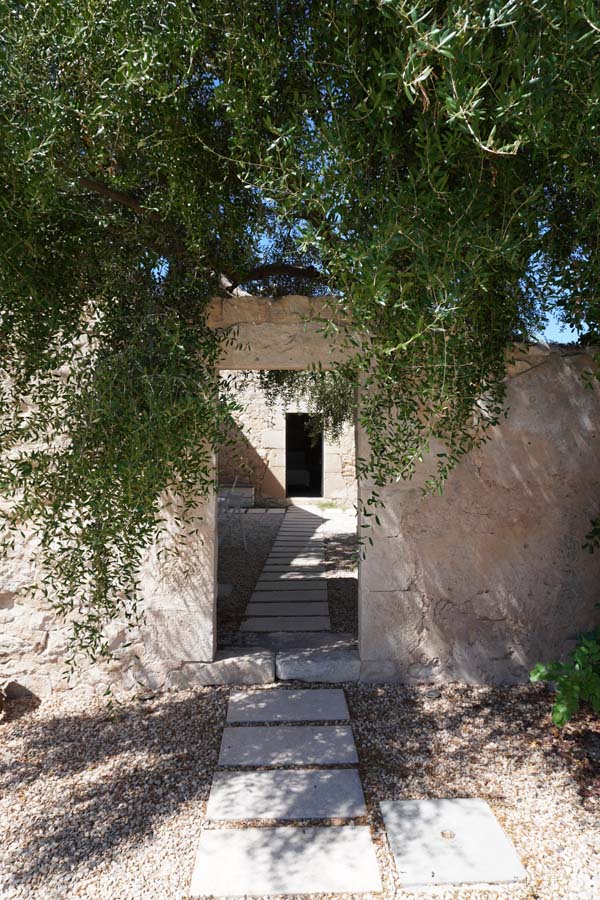
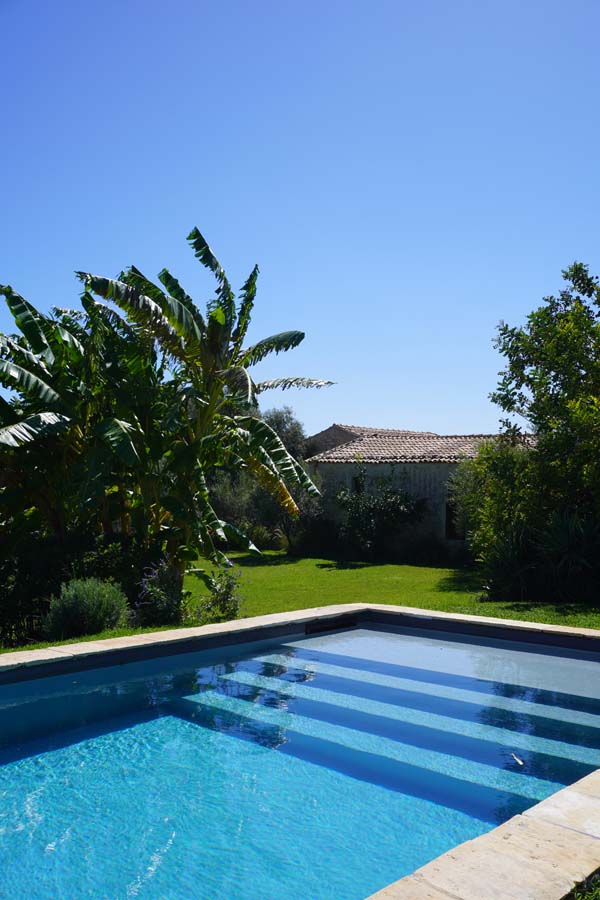
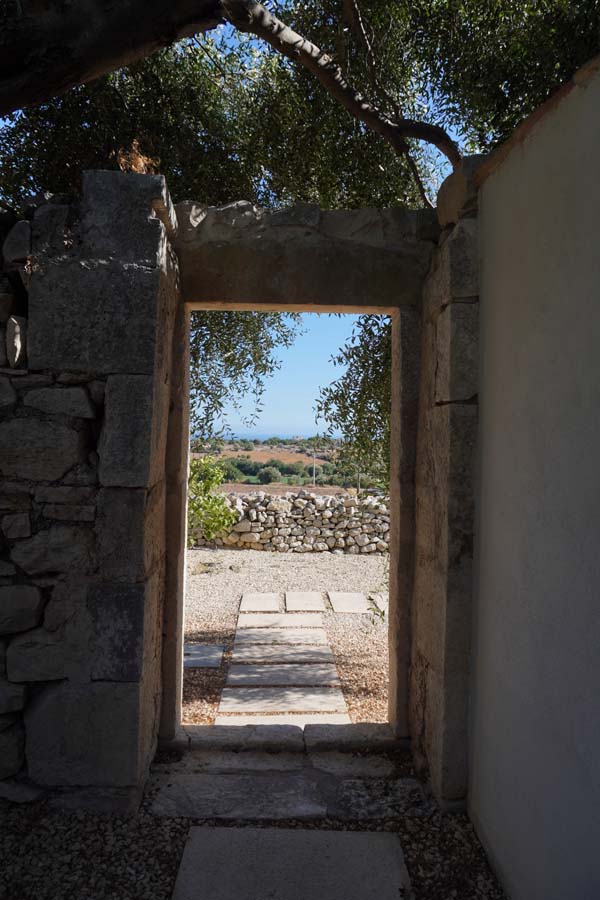
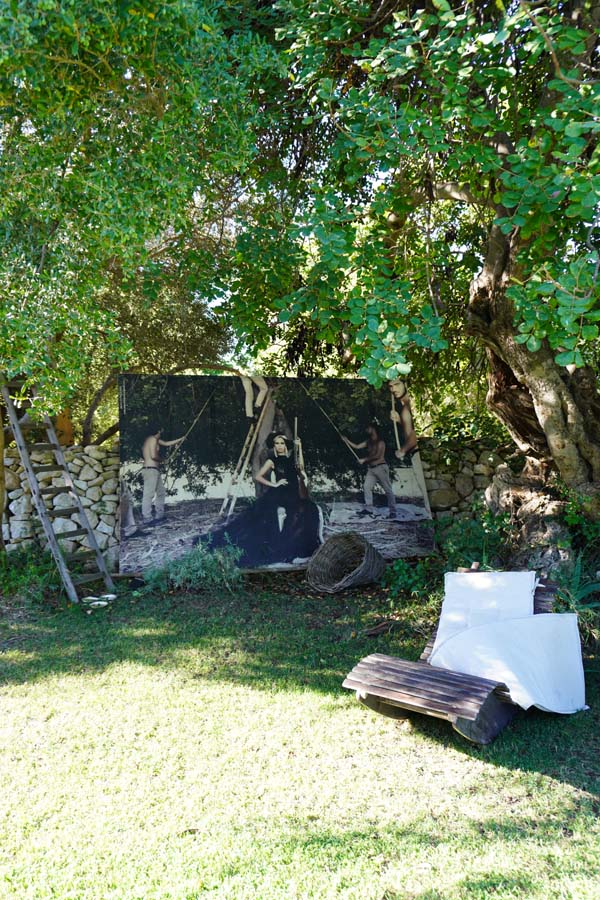
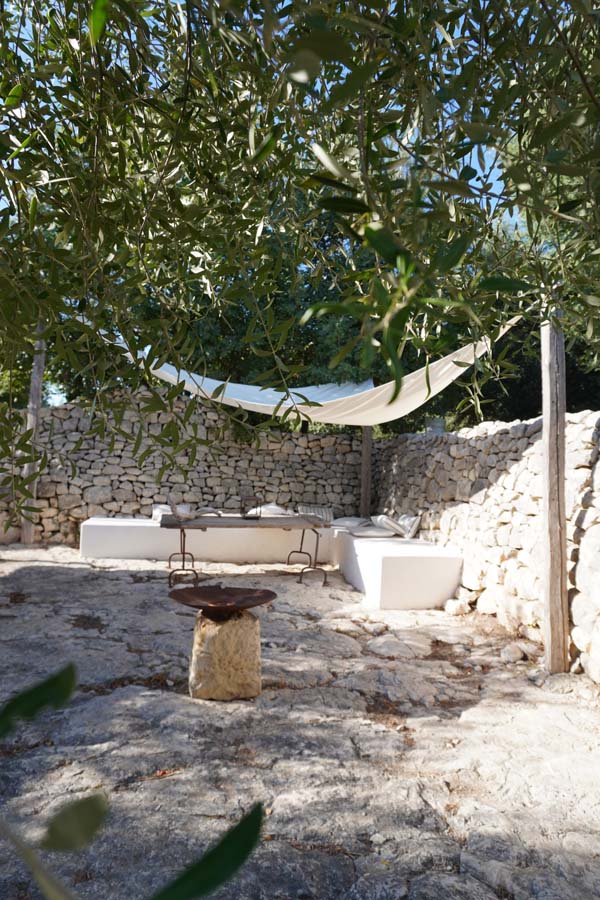
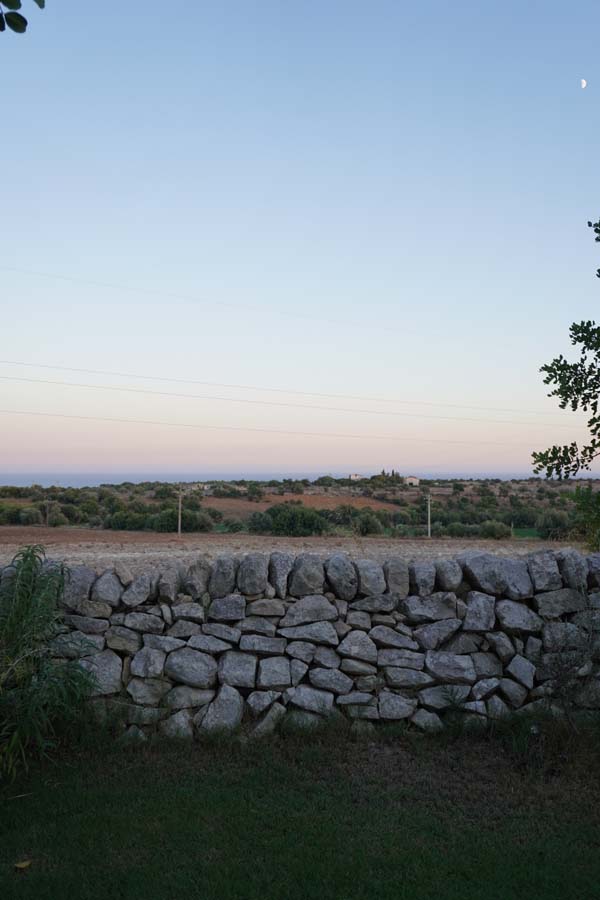
The garden is an oasis in Sicily’s sizzling gold August landscape, with a saltwater pool and scattered seating across the impossibly lush, green grass. A hazy blue slice of sea peeks out over the low stone garden walls – proof that beaches are not far away. But we spend the rest of the afternoon lounging here instead – lulled in and out of sleep by the rustling carob, olive and banana trees.
There’s no restaurant or bar on site, and nothing within walking distance, so we came prepared with provisions from Noto: cured meats, cheeses, breads, pistachio pesto and, of course, a bottle of local red wine. We spread our feast out in the walled courtyard under the whispering trees and luxuriate in a night spent doing absolutely nothing.
In the breakfast room the next morning, a round table is laid out with crostinis heaped with cannelloni hummus, sweet red pepper, olive oil and crushed almonds; a chocolate torte filled with fresh peach and mandarin; homemade yoghurt with a dollop of pistachio cream; fresh melon; warm toasted bread with local marmalades, and a pot of mocha coffee – the best breakfast we’d had in Sicily so far. With gauzy white curtains framing the door, and shafts of sunlight cutting in with a cool breeze, a night, a week, a month, doesn’t seem long enough.
Casa Talia
Modica
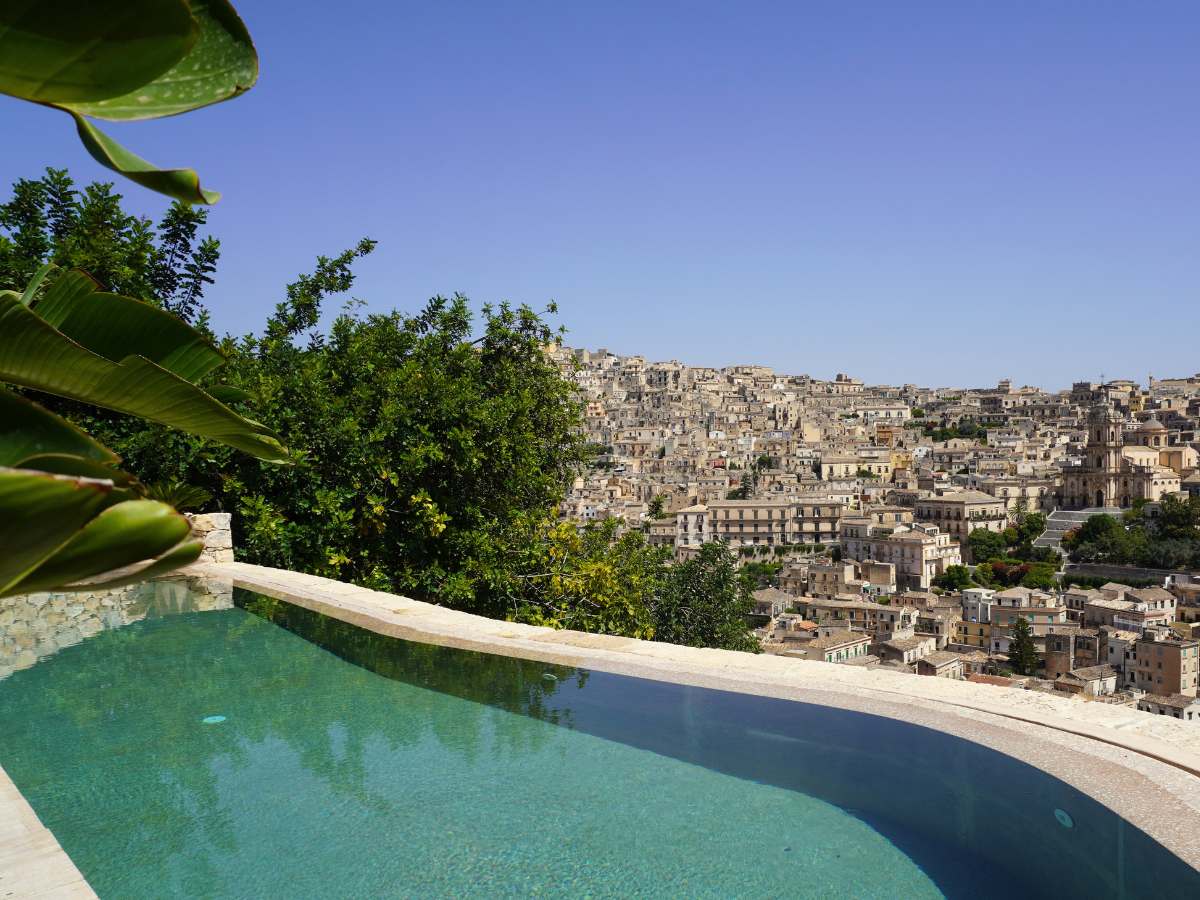
It’s shocking how quickly the landscape changes as we approach Modica, winding our way up, up, up the ancient hillside. The roads become narrow and twisty, with glimpses across the gorge of Modica’s medieval old town. In amongst these labyrinthine alleyways hides Casa Talia.
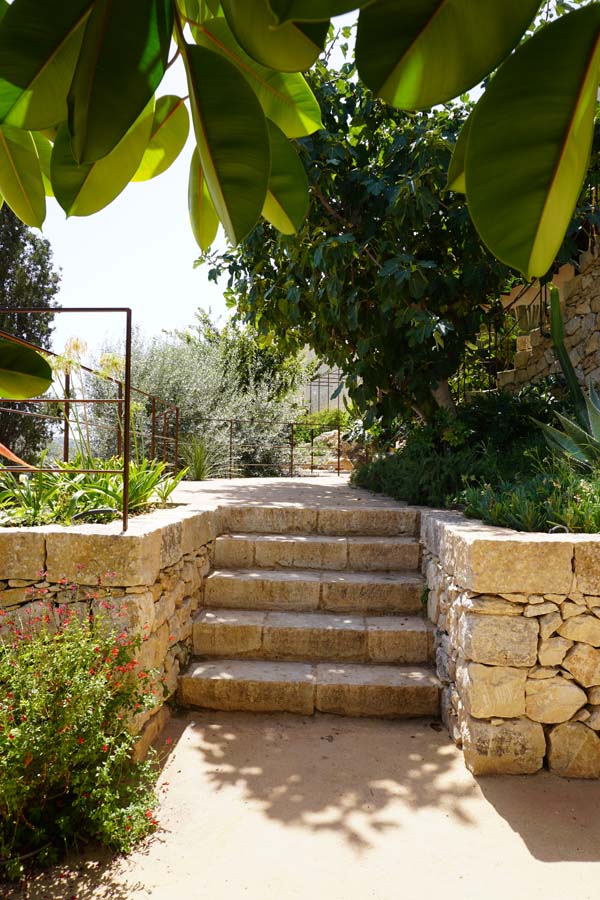
Fortunately, we’re met by the manager, Vittorio, before we have time to get lost. As we follow along behind him, doors begin to materialise in the old stone walls and rockface, rustic yet discreet, which open with the wave of a key card. We’re led into a secret garden, shaded by a large fig tree and fringed with vivid flowers and fat cactus pears.
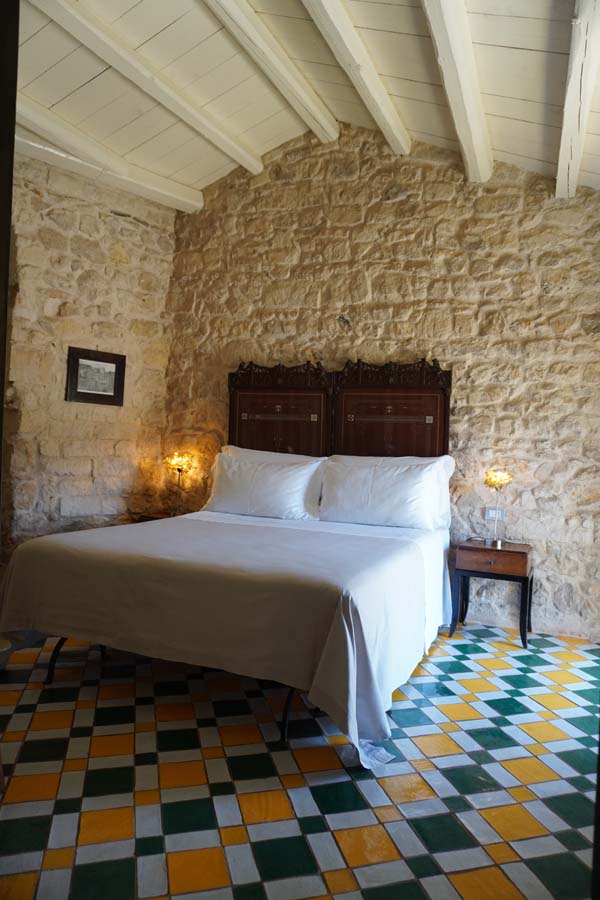
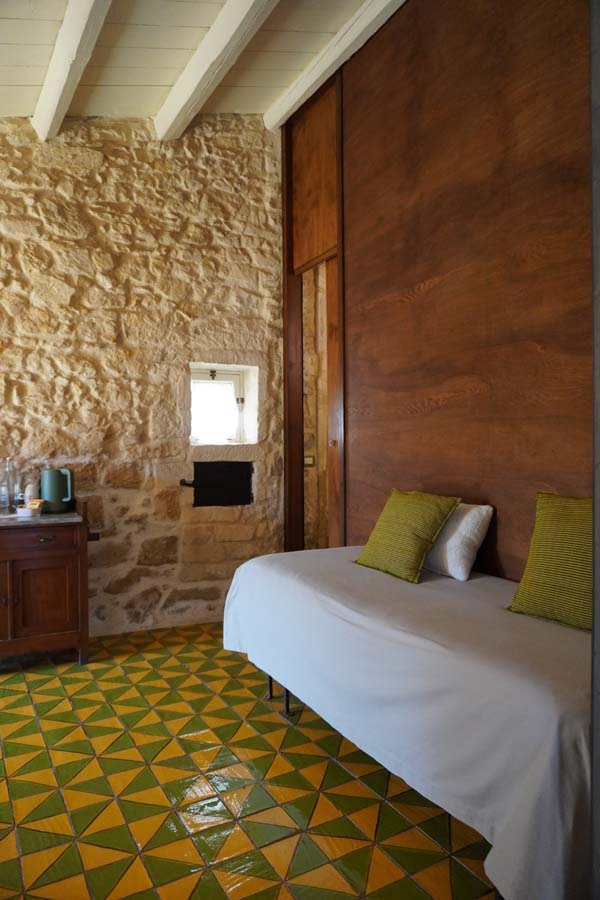
Talia means ‘look’ in the local Sicilian dialect, and it’s no mystery what the focal point is. Though the design is impeccable and the interiors artful and eye-catching, it’s the view that steals every glance.
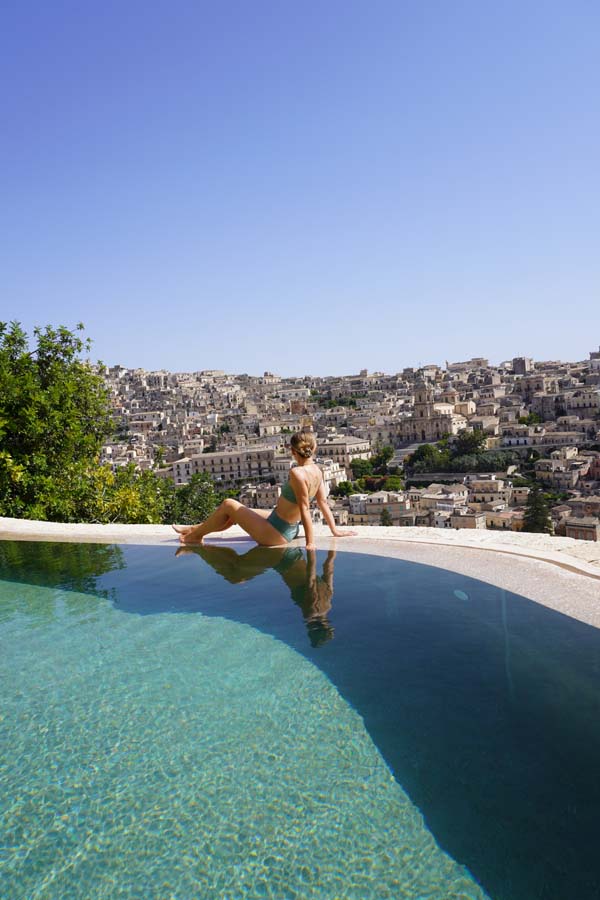
Spread out before every garden and balcony, the layered houses and ornate churches of this stunning Unesco-listed town unfold like a pop-up card. This is the benefit of staying across the gorge, and yet you’re a short walk from the action. But be warned – these hillside towns will test your legs, especially on the way back up. Even as avid hikers, we were forced to slow to a crawl under the late-summer sun.
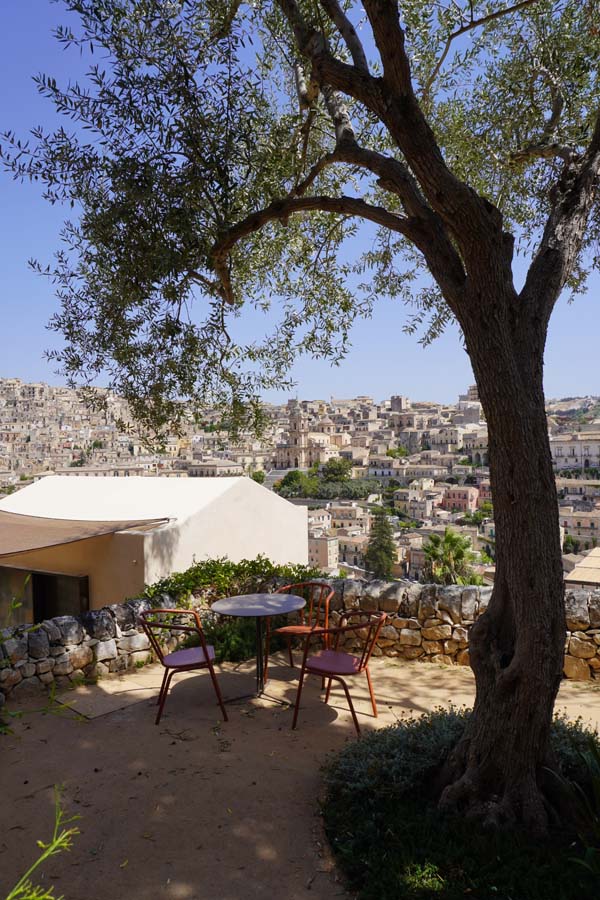

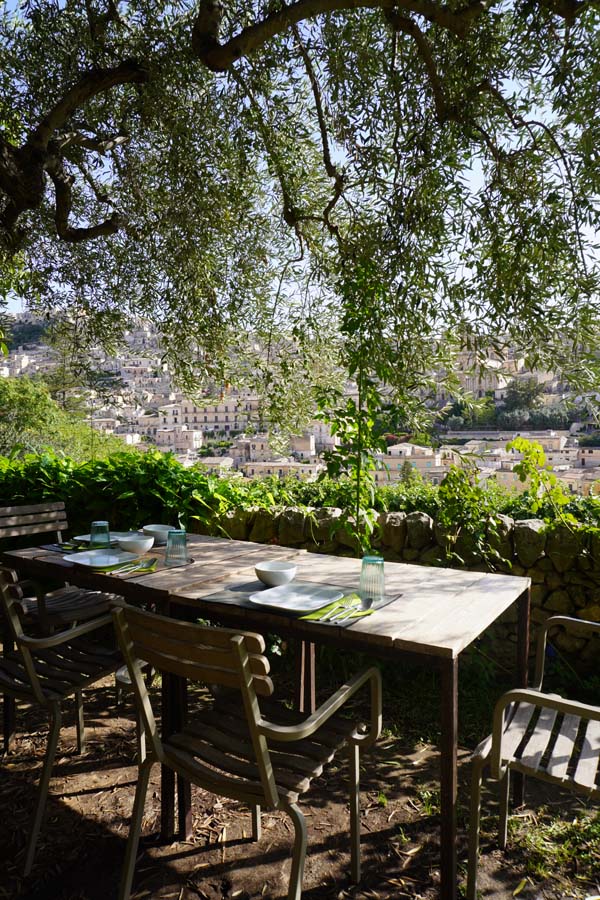
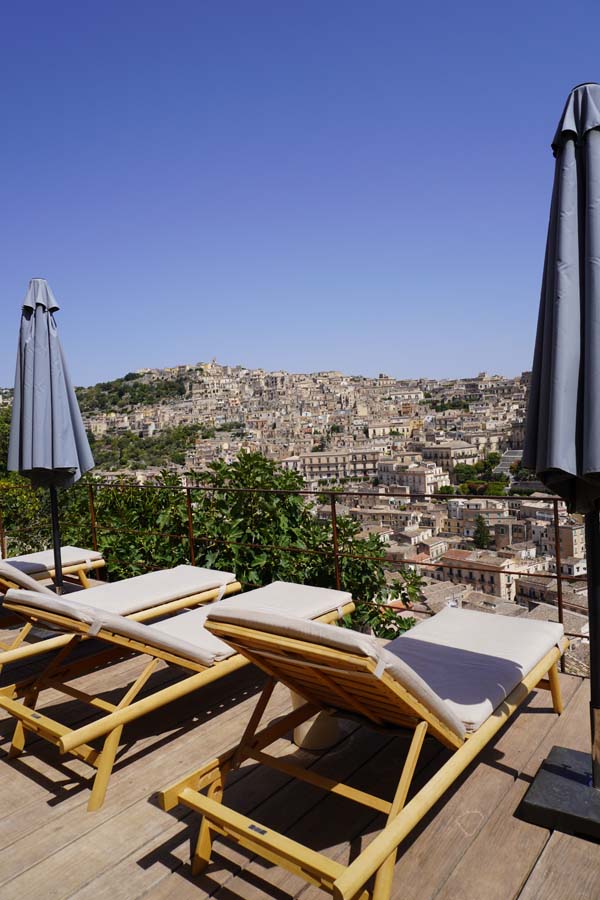
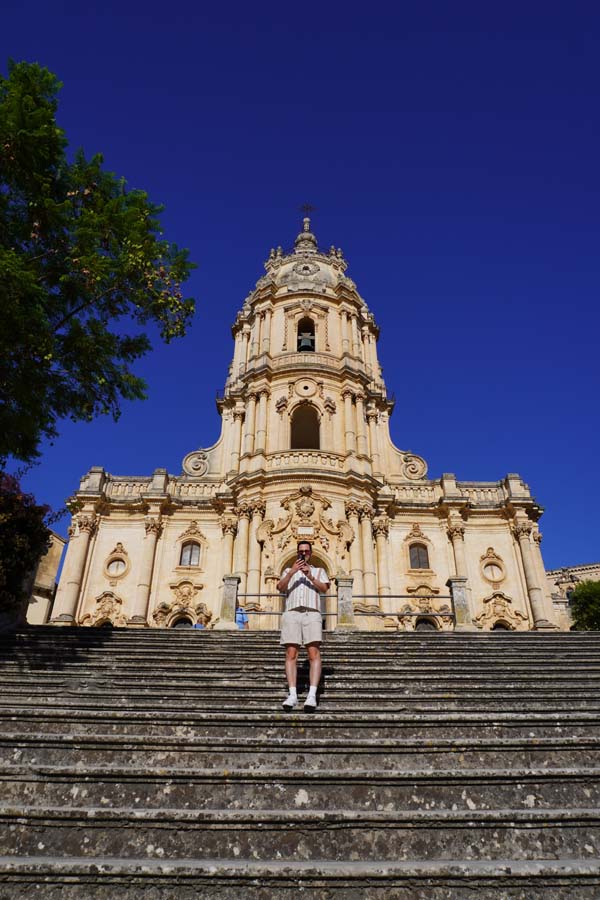
But exploring Modica is well worth the burn. Up every steep staircase or quiet road, the old houses, tree-lined piazzas and beautiful churches create a postcard view. If you want a taste of the city’s history, don’t miss Modica’s crunchy chocolate, still made by traditional Aztec methods brought over by the Spanish in the 16th Century. We also loved enjoying an aperitivo at Bar del Duomo next to the Duomo di San Giorgio Modica at sunset, followed by dinner at Accursio Radici, in the shadow of Duomo di San Pietro.
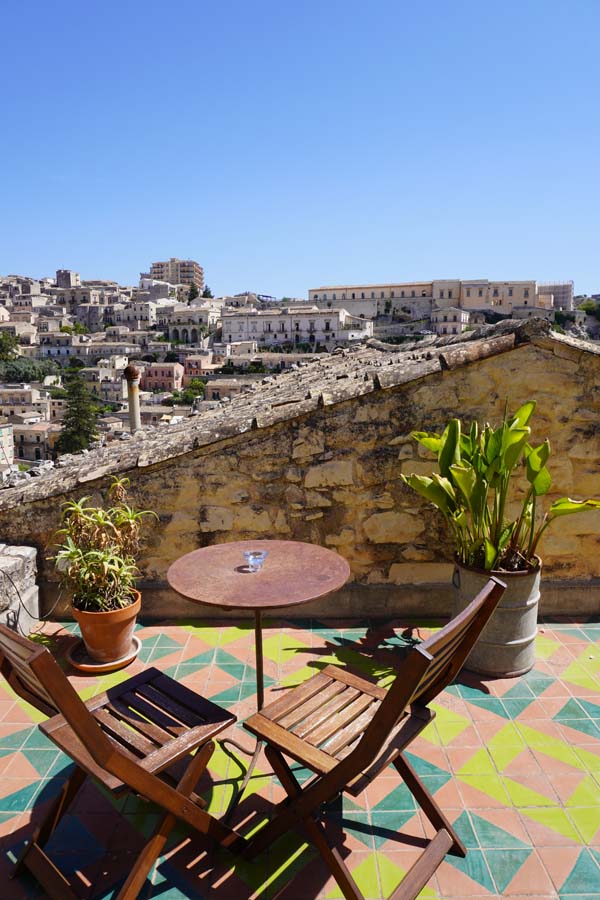
That’s if you’re able to tear yourself away from Casa Talia. Sitting on our colourful, tiled balcony, I can just imagine what the owners, Marco and Viviana, two architects from Milan, saw when they came across this site twenty years ago. They started with just three cottages, made breakfasts in their own kitchen, and served them in the garden under the ancient fig tree.
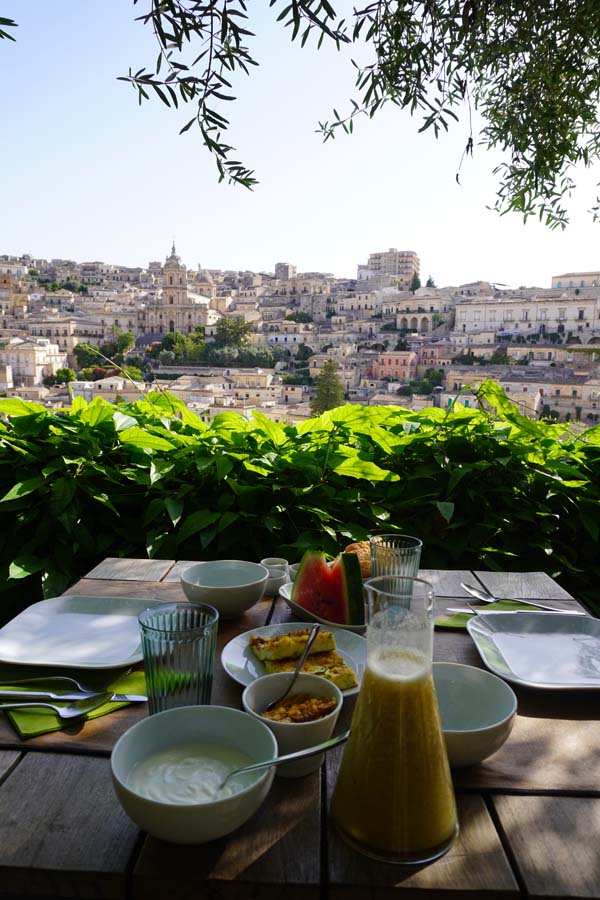
Now, there’s a spacious breakfast house with its own garden, and three local ladies to cook and serve. Homemade frittata and cake, seasonal fruit, yoghurt, coffees (their cappucinos are delicious) and a jug of fresh juice are brought to your table. You may even be joined by the owner, Marco, who sometimes drifts between the tables during breakfast to chat with his guests. Then it’s up to the pool for a morning dip, and soon there will be a family-style restaurant and bar. So you’ll have every excuse in the world not to leave.
Braccialieri
Near Noto
Twisting and turning along dusty roads through the parched countryside, we finally pull up to Braccialieri’s great, metal gates. Inside, the grounds are surprisingly sprawling. We’re scooped up by Claudia in a golf buggy from the car park, and whizz past a line of neat cabins amongst the olive trees.
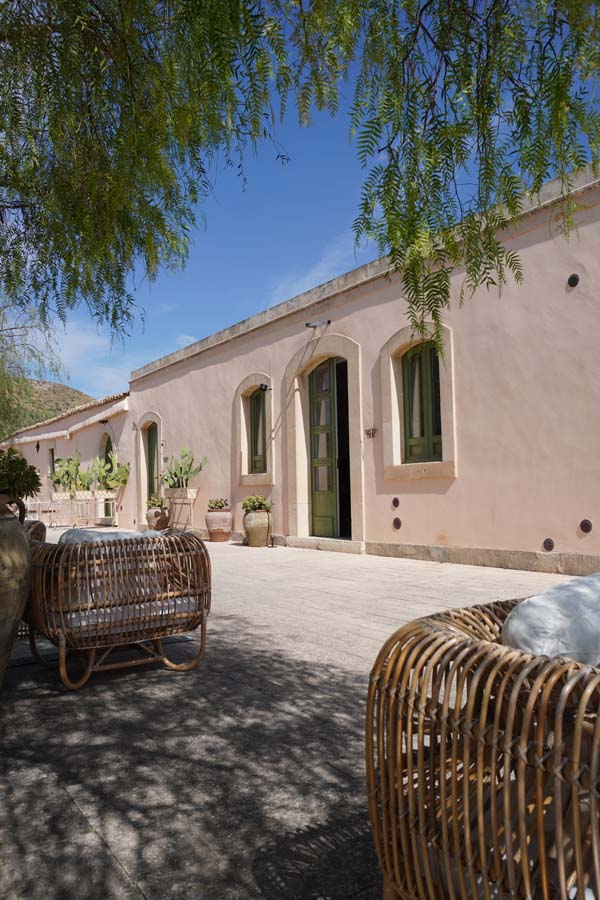
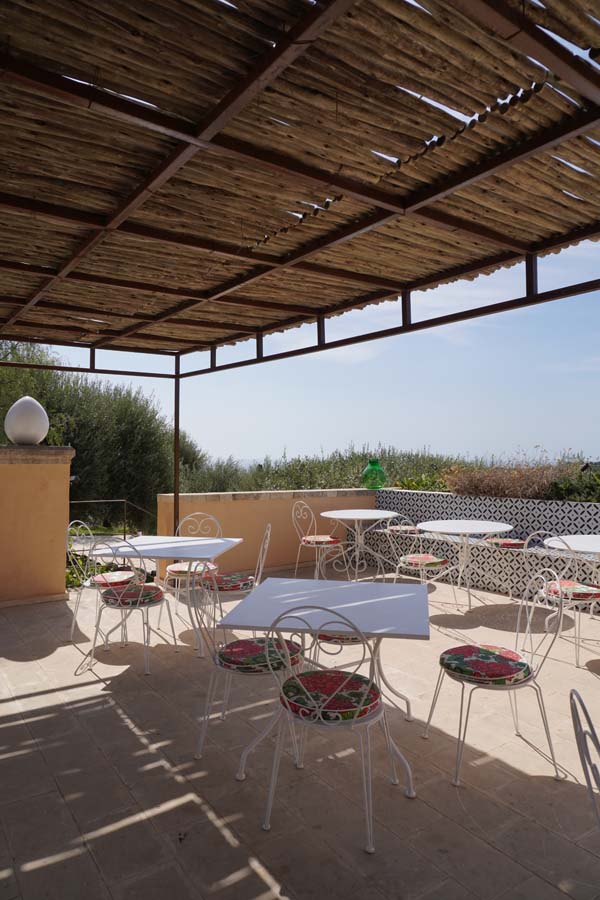
The main building is a refurbished farmhouse with buttery stone walls and a traditional terracotta roof. Now, it’s split into a restaurant, reception room, and three suites, but the building’s history has been well-preserved. They even kept the original flour mill, olive oil press and a large stone vat for grape treading in what is now the restaurant.
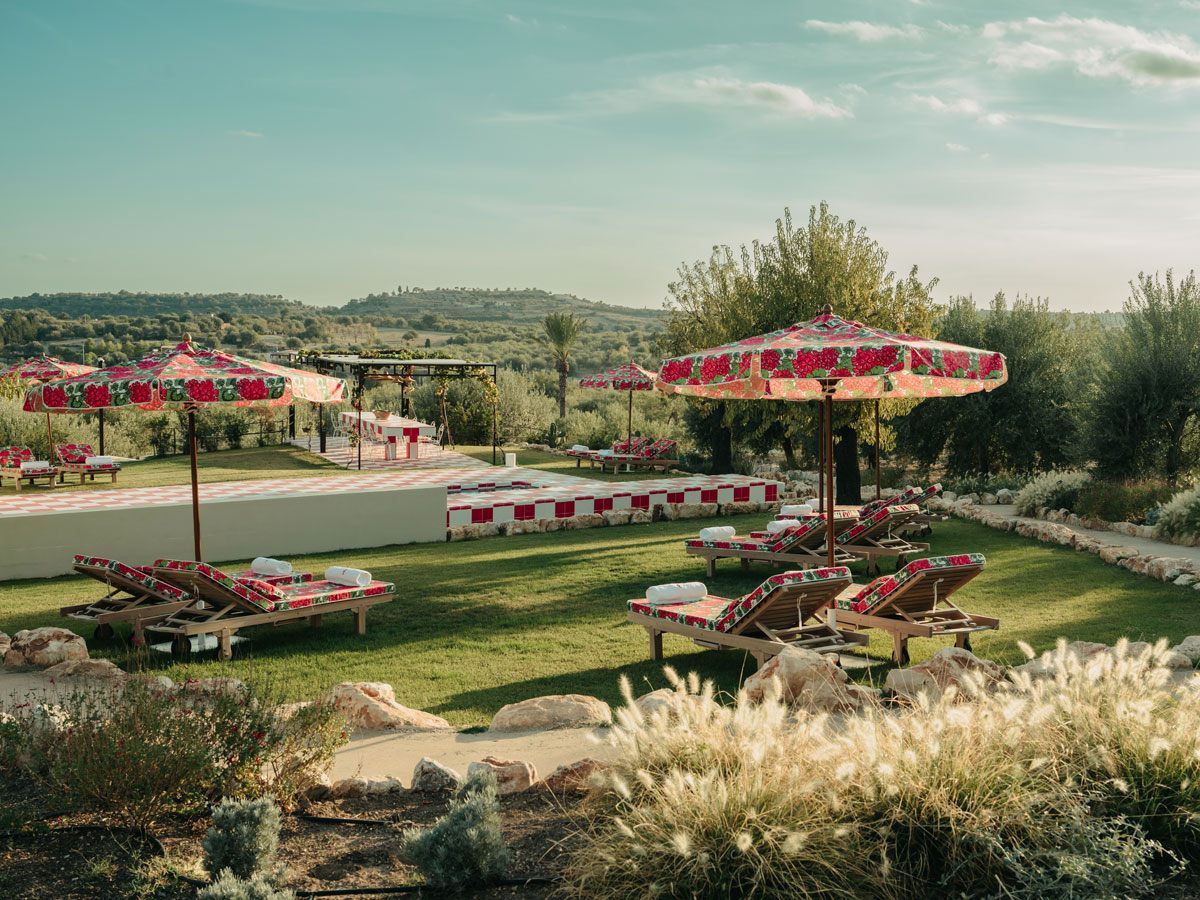
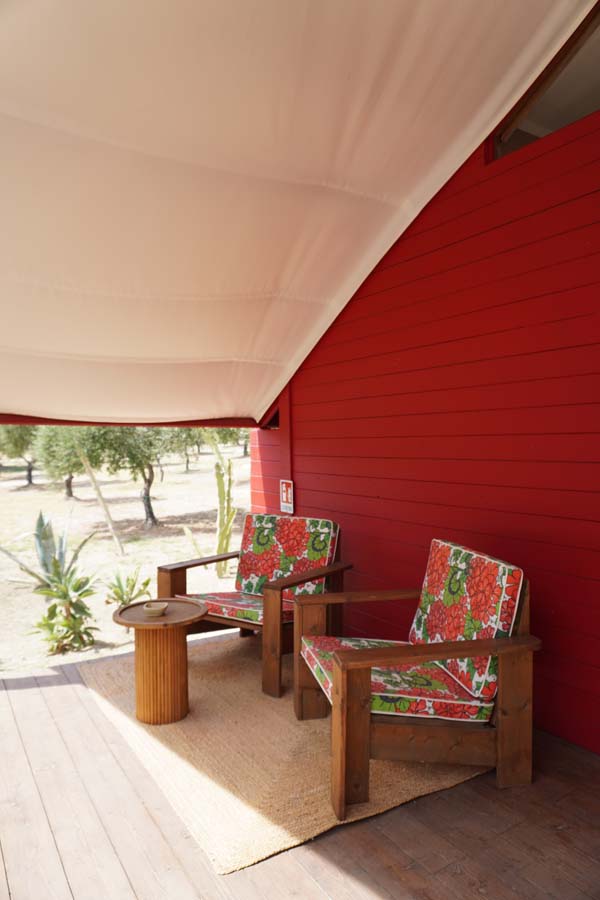
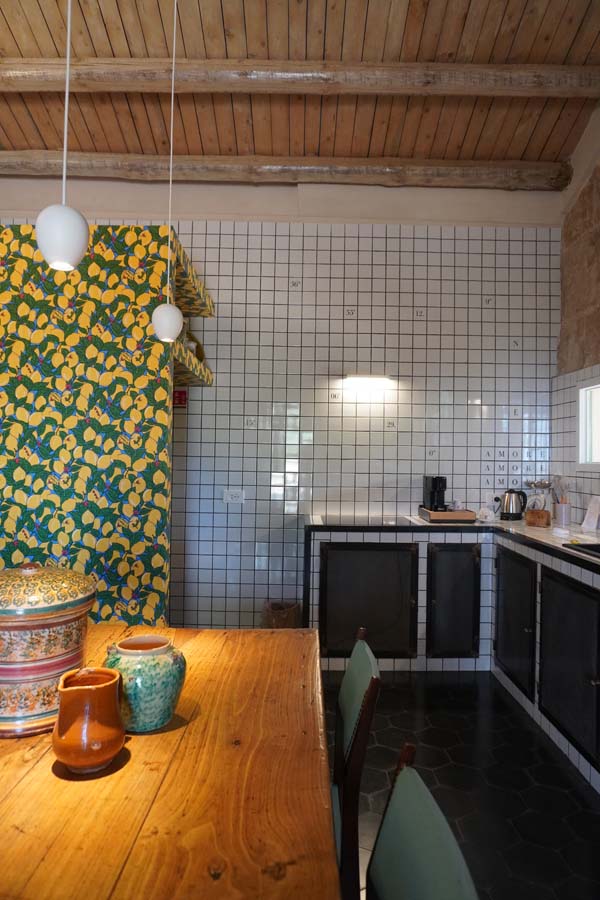
But alongside the proof of the site’s past, fashion designer Alessandro Enriquez has incorporated eye-catching prints, bold colours, hand-painted tiles and a mix of antique and modern furniture. Even the eco-glamping cabins are painted retro shades and kitted out with vibrant textiles.
His masterpiece is the red and white chequered pool – inspired by the kitchen tiles in Enriquez’s childhood home – surrounded by floral sun loungers and parasols. To complete the picture, there’s an influencer lounging poolside, trying to catch the right light, while her boyfriend edits videos on a laptop at a nearby table.
We’re shown to the Amari Pool Suite, around the back of the main building, with its own small pool, the original farmhouse kitchen, a spacious bedroom and a separate lounge. It’s a honeymoon suite if ever we’ve seen one, and everything is immaculate – from the plush bedding to the heavenly toiletries.
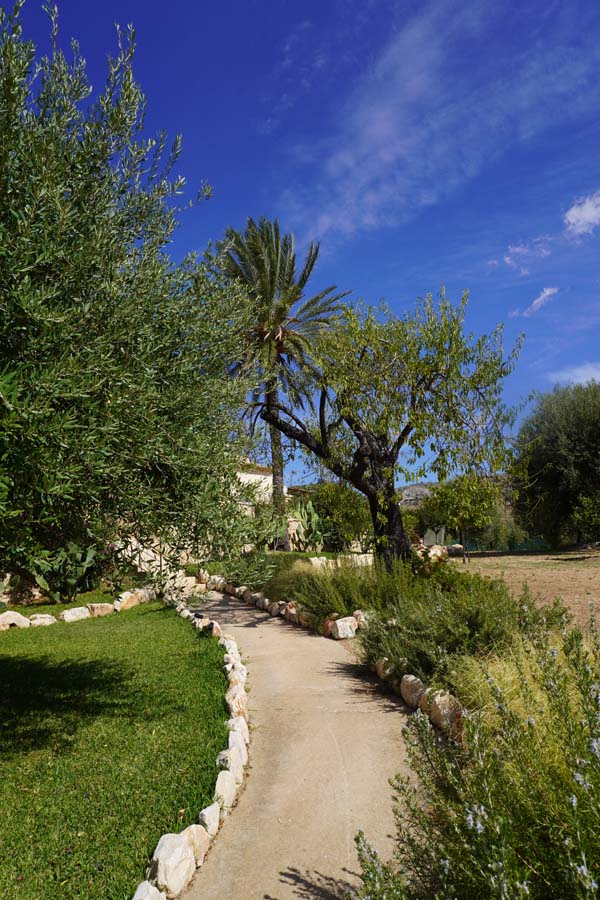
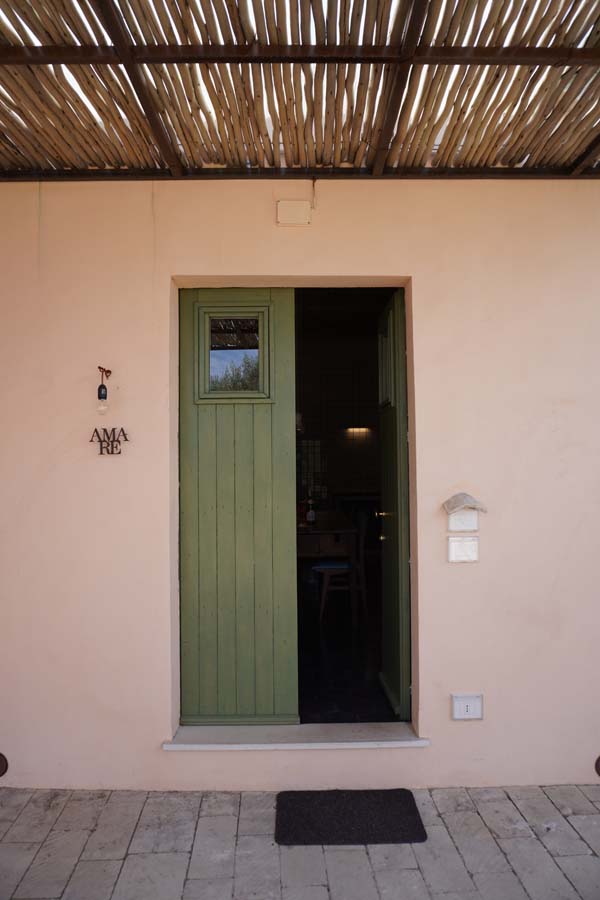
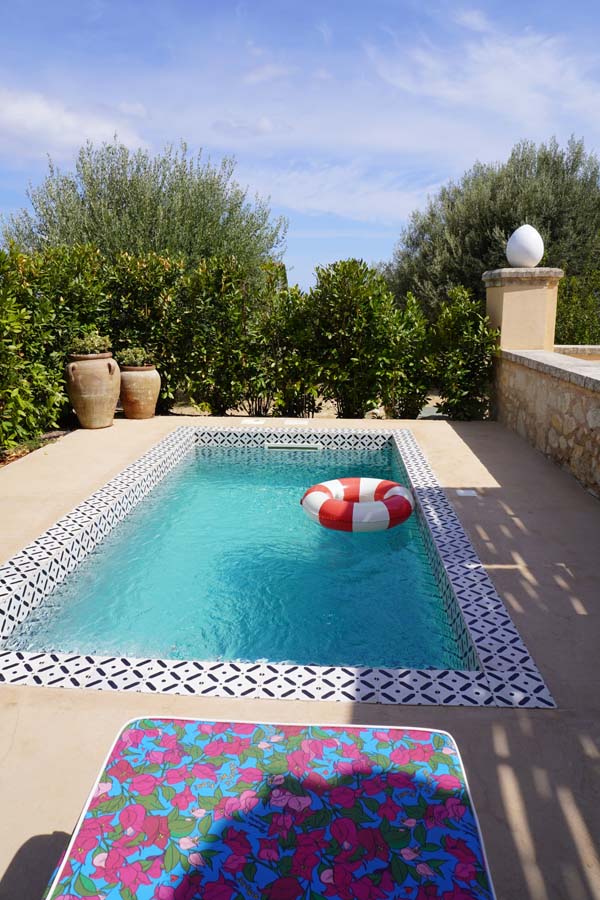
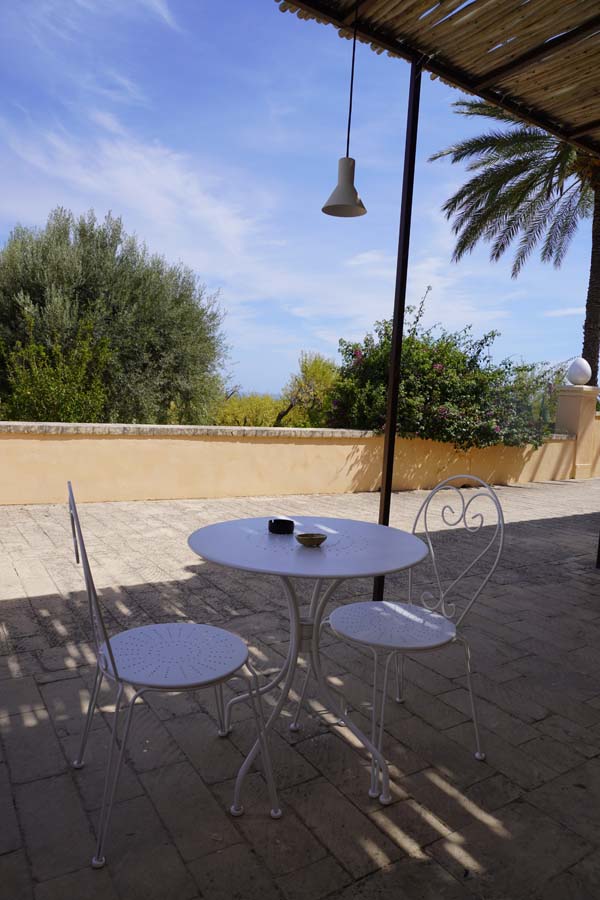
Noto is just a 15-minute drive from here, and beautiful beaches are just beyond that. You can even see the sea from the hotel’s garden. But we’ve booked in massages – so it seems wiser to mooch the day away. We explore the vegetable garden, from which the chef takes daily inspiration, and the ancient olive groves surrounding the property.
After potentially the best massage I’ve ever had in my life, we head to the bar for an aperitivo before dinner. The prices here, I must say, are steep (an Aperol spritz for 19 euros?!), but it’s a special splurge from top to bottom, so we swallow our shock and prepare ourselves for the dinner menu. We see that the clientele is mostly couples in their late twenties and thirties, enjoying their amuse-bouches by candlelight and discussing their imminent wedding plans or the happy memories of the one they’ve just had.
From here, you can easily drive back to Catania airport. Or, if you have the time, you can make your way further up the coast to Taormina or Cefalu. But we were glad to have skipped Sicily’s overrun hotspots for the south coast’s wilder, quieter corners – where summer seems to stretch on forever.
Date published: 24 Oct 2025