


Evelyn, a former i-escaper turned roaming reviewer, takes us with her on a fascinating journey through India. Along the way, she discovers some very special places to stay, away from the chaos, each one offering a taste of India’s unrivalled charm. There really is no place like it.
I was a little nervous about my trip to India. I’d been only briefly before, and found the dizzying cacophony of colour, noise, smells and stares to be both intoxicating and overwhelming. But I knew that between the fascinating cultural immersion, varied scenery, humming markets and heaps of rich food, it was going to be unforgettable.
I spent five weeks here in total, landing in Delhi, stopping in Agra, then hopping between the Golden Triangle’s vibrant cities before heading down to Goa‘s palm-fringed beaches. Along the way, I found that if there was one thing that could transform my experience of a place, it was the accommodation. As someone who writes about hotels for a living, I suppose I’m biased. But I’d argue that there are some places in the world where the box-standard hotel might do just fine. In India, where there’s always an element of unpredictability, having a reliable source of comfort, character and warm hospitality is an invaluable asset.
It was in these boutique guesthouses and hotels where I met some of the kindest and most interesting people of the entire trip. These gems each had that special something that elevated my trip from memorable to totally transformative.
1 Mizpah, Delhi
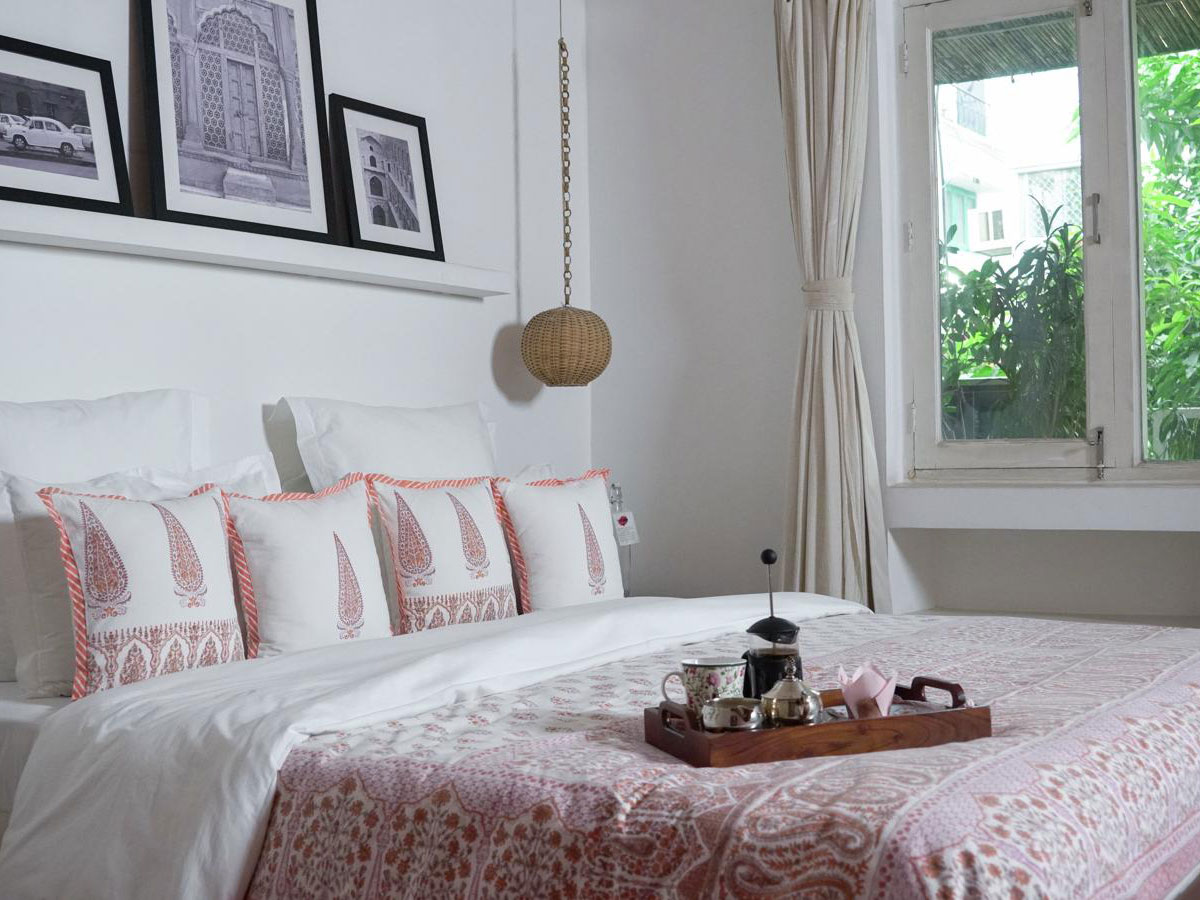
I’ll admit, I stayed somewhere more central in Delhi initially (to get to all the tourist spots ‘easily’, or so I thought) which turned out to be a big mistake. My first impression of the city was a smoggy haze of noise and traffic. Then I arrived at Mizpah.
Hidden down a leafy street in a gated residential neighbourhood, Mizpah feels like an escape from the city before you’ve even stepped inside. Once you do, colourful textiles, cosy furnishings and a smiling, soft-spoken team instantly put you at ease. We were met with a traditional Indian welcome – flower garlands, bindis and incense – then brought steaming mugs of citrus and ginger elixirs, perfect for reviving sore throats from Delhi’s winter pollution.
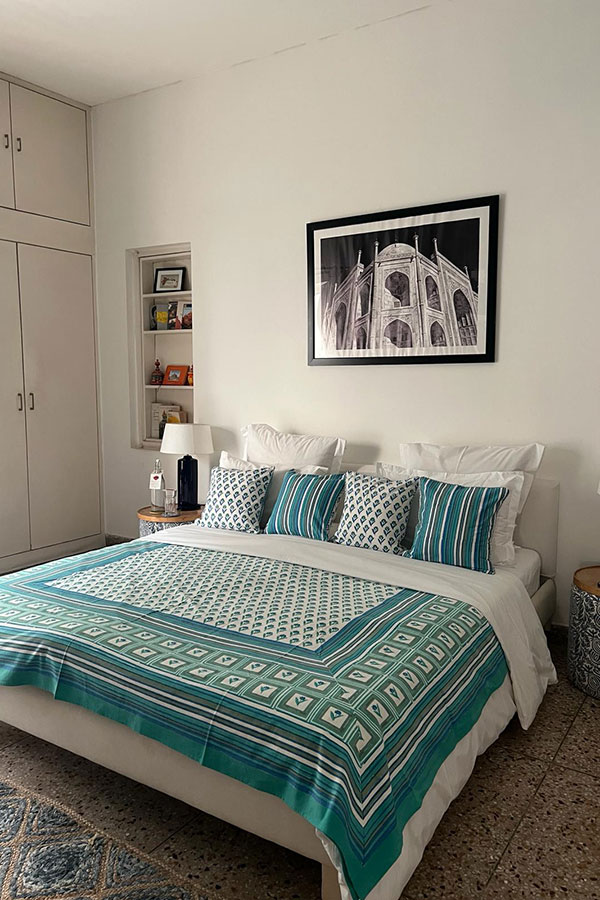
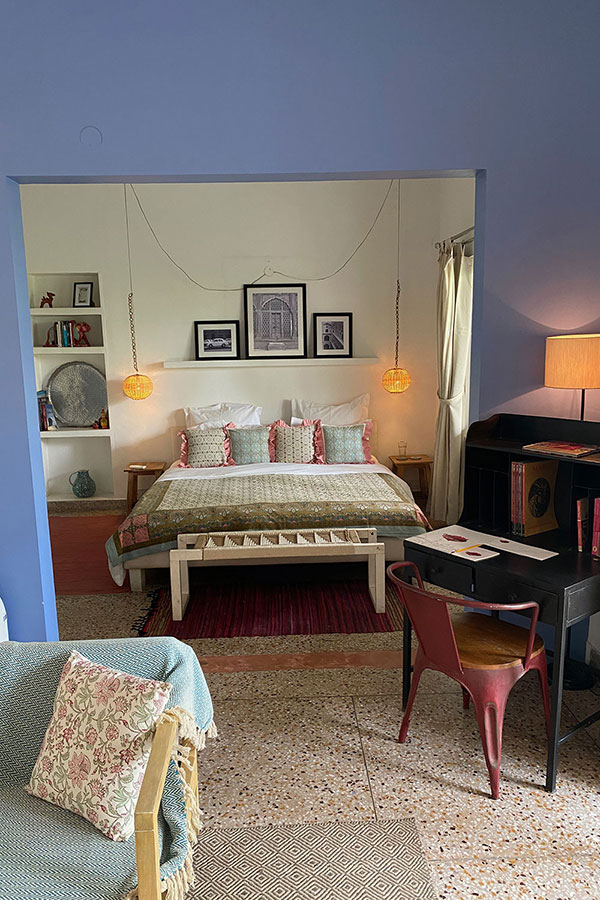
With just four rooms, this little B&B is quaint and characterful but filled with little luxuries, like ultra-soft beds, personal air purifiers and generous breakfasts. Every little detail is thoughtful and full of meaning, from the framed photographs on the walls to the floral blockprint textiles. Ask the staff for a recommendation, and they’ll know exactly where to send you. Pull back the down duvet at night, and you’ll find a quilted hot water bottle tucked between the covers. It’s the sort of place that feels effortlessly synchronous; friendly and unpretentious but meticulously intentional.
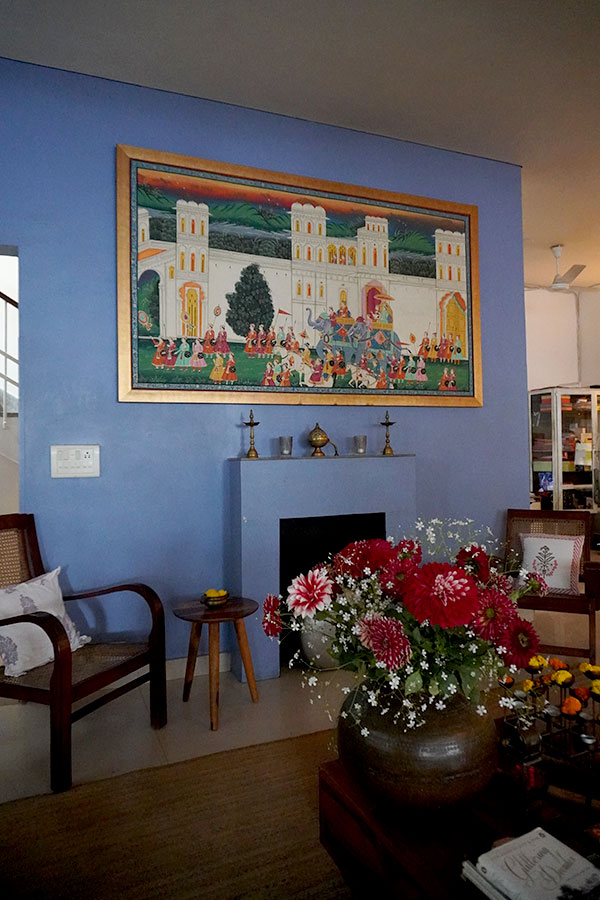
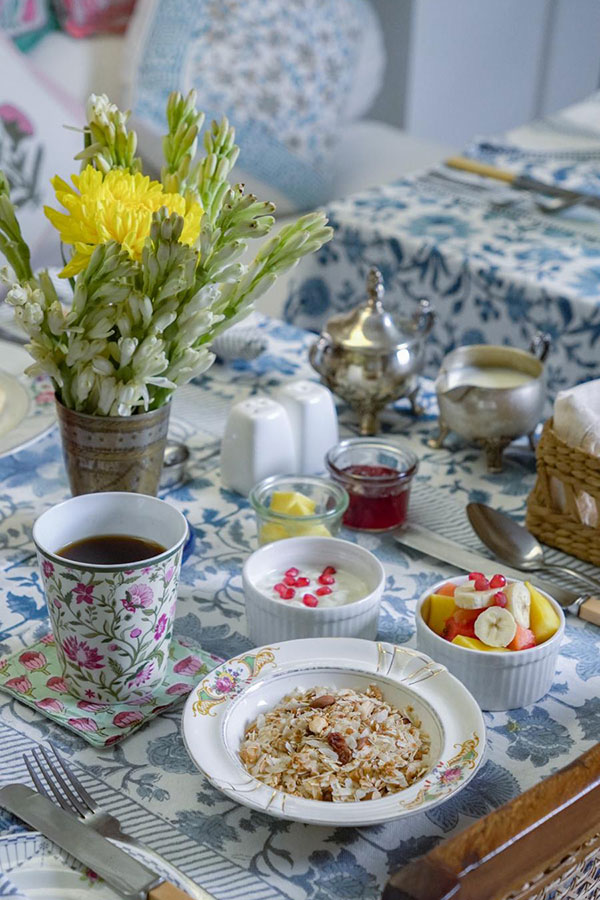
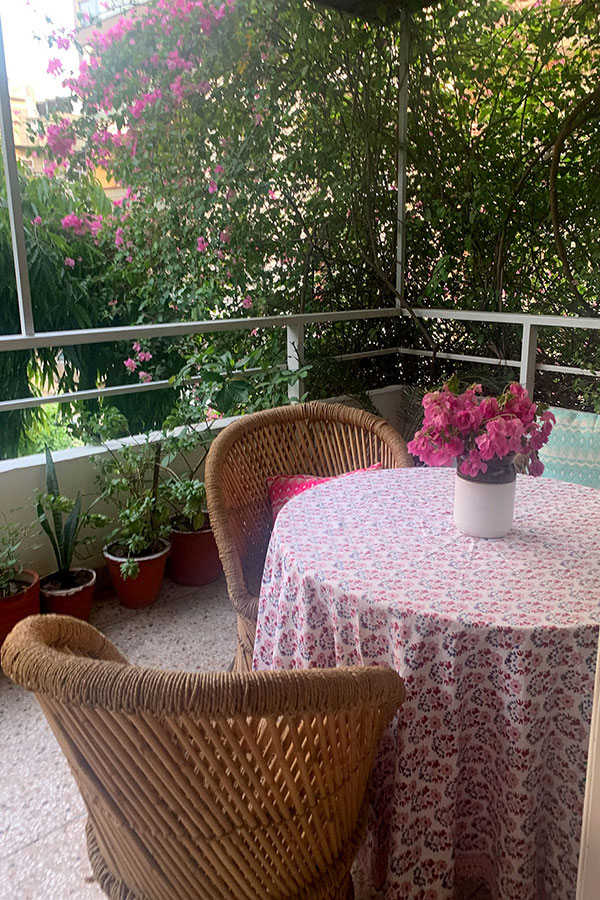
My visit fortuitously overlapped with the owners’, Caroline and Sean. Caroline has Bengali heritage on her mother’s side, and her father was in the British Army, stationed in Delhi when she was a little girl. “Even after we moved away,” she said, “even after years, I couldn’t get Delhi out from under my skin.” Her emphatic affection for the city and love for the local area glimmers in every detail – the food, the antiques, the artwork. “We get a lot of return guests,” she explained after greeting a new arrival like an old friend, “a lot of them work in fashion or design – I think it gives the place a really good energy – everyone just feels at home.”
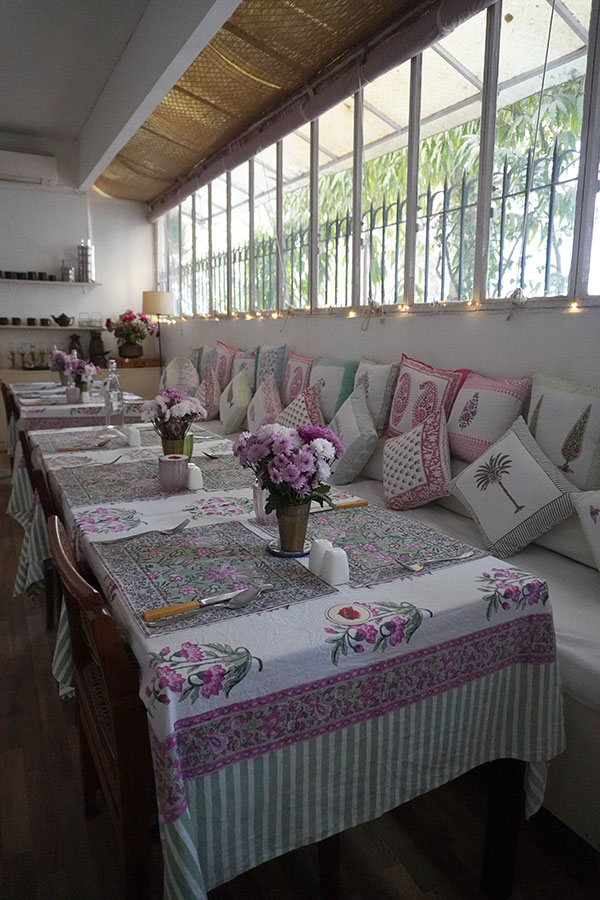
While here, my perspective of Delhi changed completely. Though it would have been all too easy to arrange a taxi to any of the tourist hotspots, we chose to stroll through Deer Park, explore the beautiful old ruins of Hauz Khas Fort, then take a short rickshaw ride to Qutub Minar. In the evenings, we dined in Mizpah’s candlelit dining room, tasted momos from the local Nepalese community and sipped cocktails at a cosy little jazz bar. It didn’t take long to feel the intoxicating charm that’s lived under Caroline’s skin all these years. When I’d arrived, I’d been ready to leave Delhi behind, but by the time we left, I wasn’t ready to go.

2 Ekaa Villa, Agra
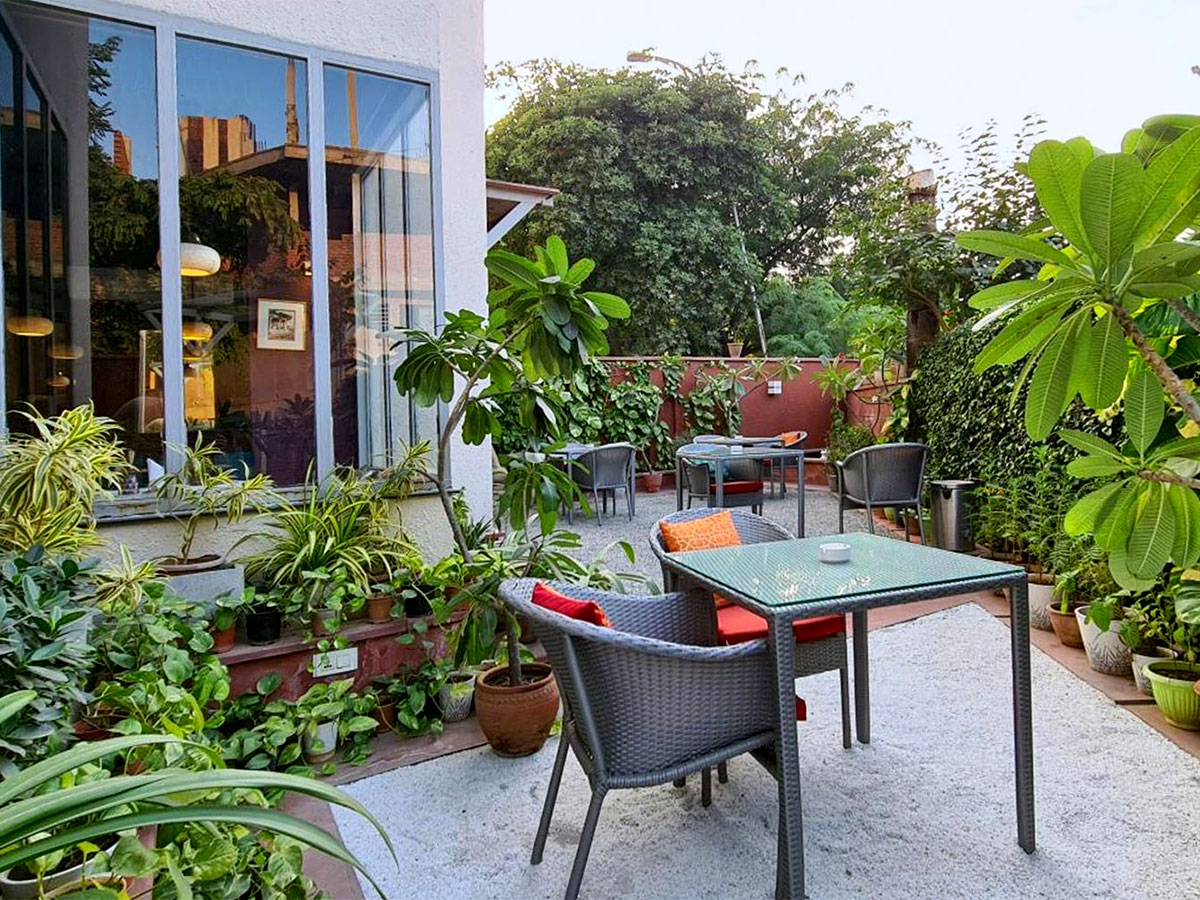
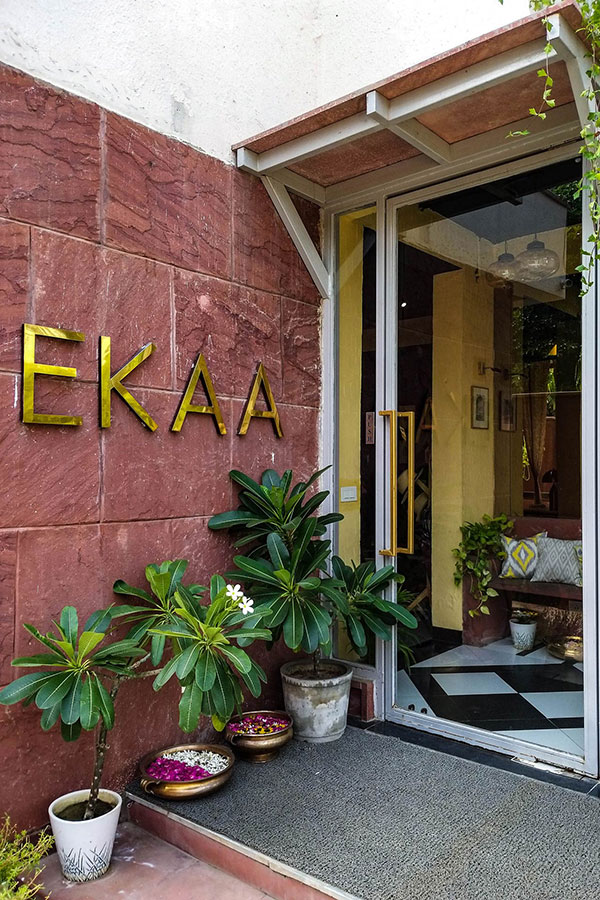
In a tourist hotspot like Agra, where so many people are in and out in a flash, you expect the hospitality to be a tad transactional, but that’s far from the case at Ekaa Villa. Here, the staff were kind and attentive, offering advice on how to make the most of our short time in the city without being at all pushy. Because our train had been late, they kindly offered to delay our dinner reservation at the hotel restaurant so that we could go up to the room and settle in first.
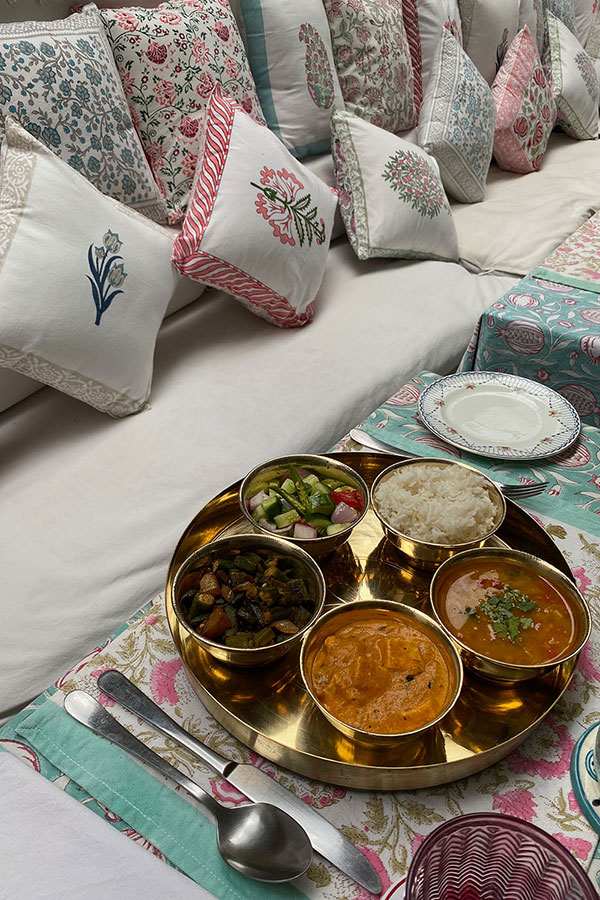
The rooms are compact but modern and cosy, each well-stocked with complimentary amenities like local treats, tea from Darjeeling and coffee from Kerala. Far from impersonal, Ekaa Villa was a masterclass in creating a sense of place; from the traditional textiles to the minibar, Indian products were on proud display, many from just down the road. This carries through to the restaurant downstairs, where their vegetarian menu is filled with fresh, seasonal ingredients. We feasted on paneer and broccoli kebabs, dhal, potato curry, rice and rotis, all delicious and washed down with creamy papaya lassis.
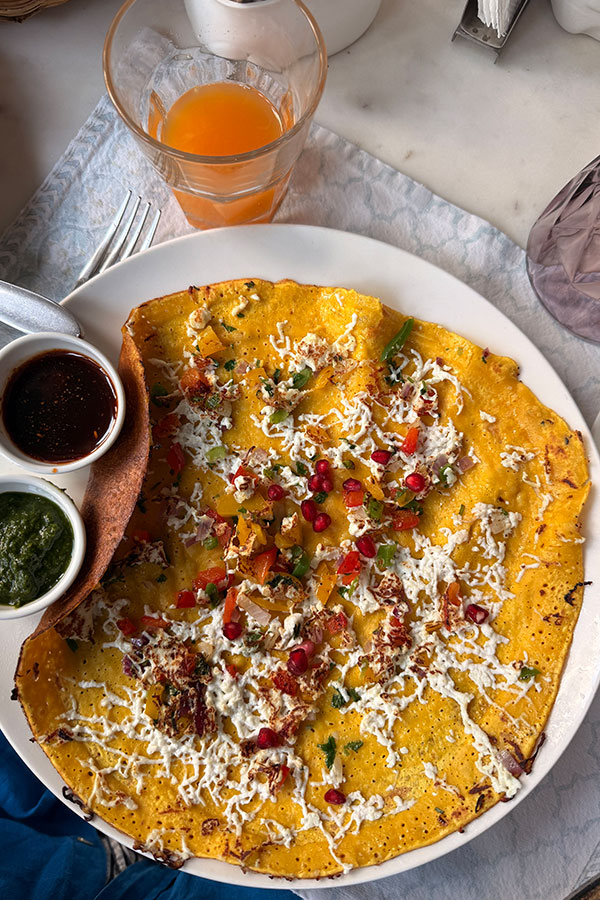
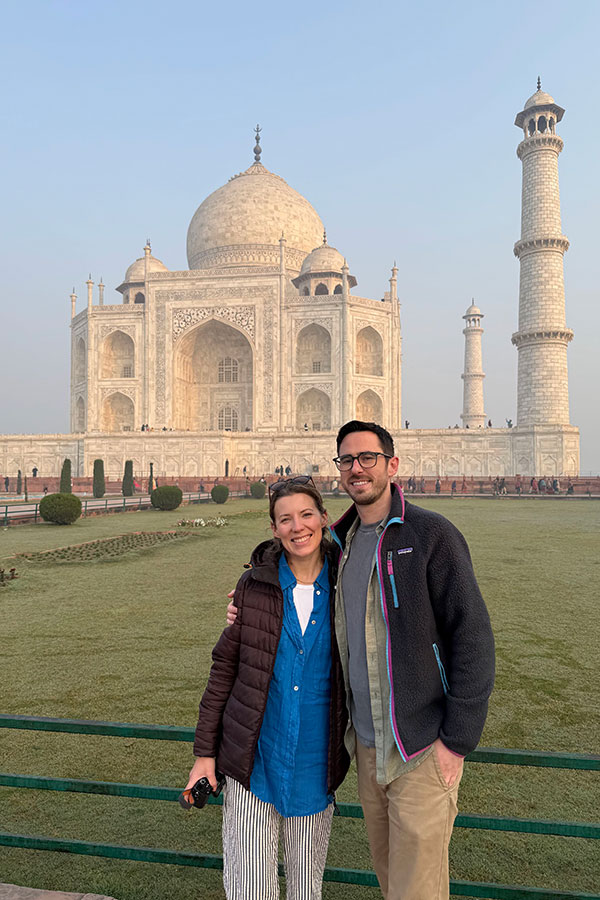
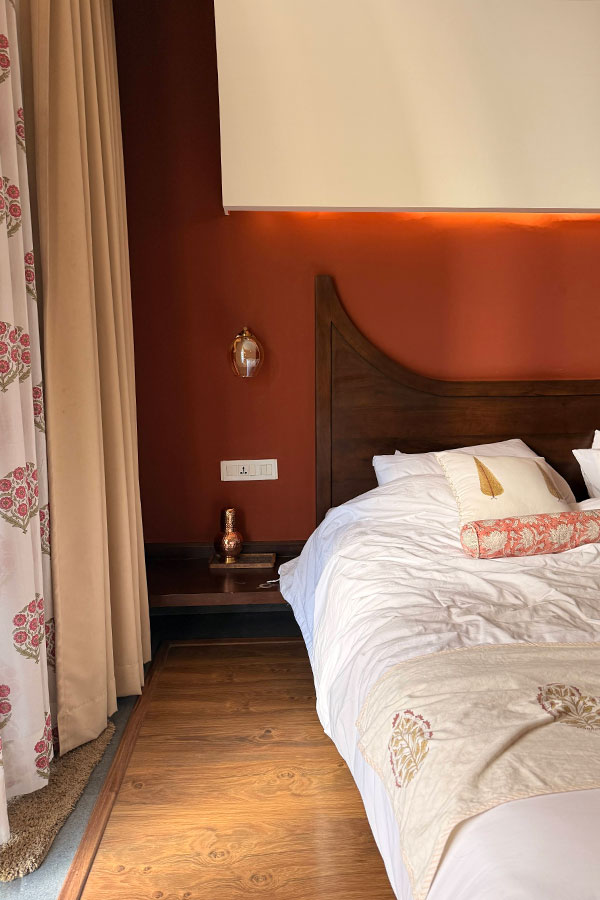
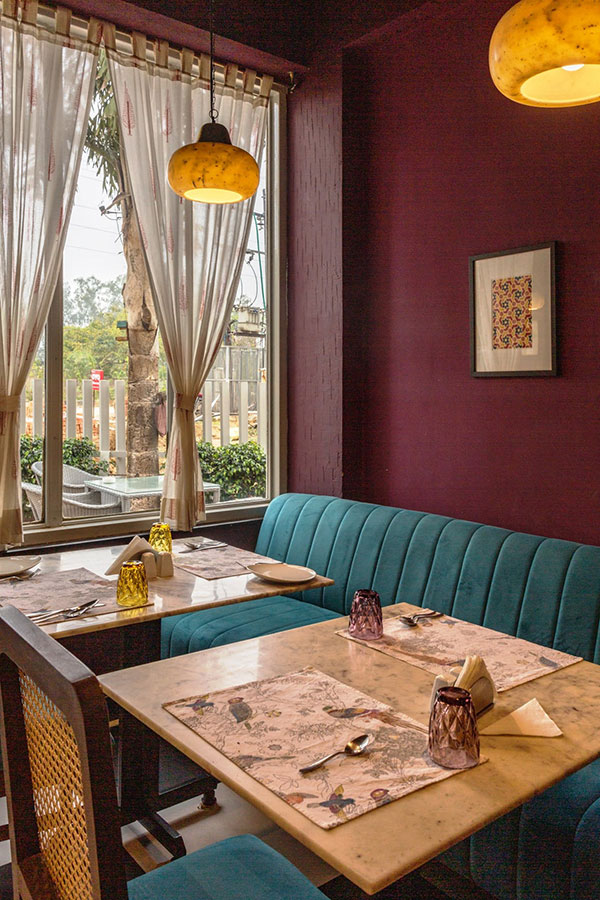
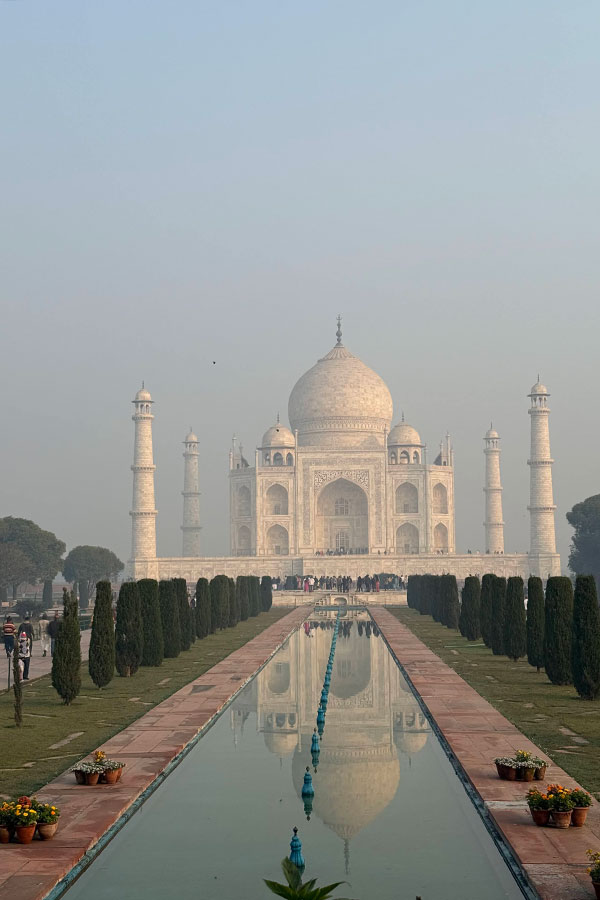
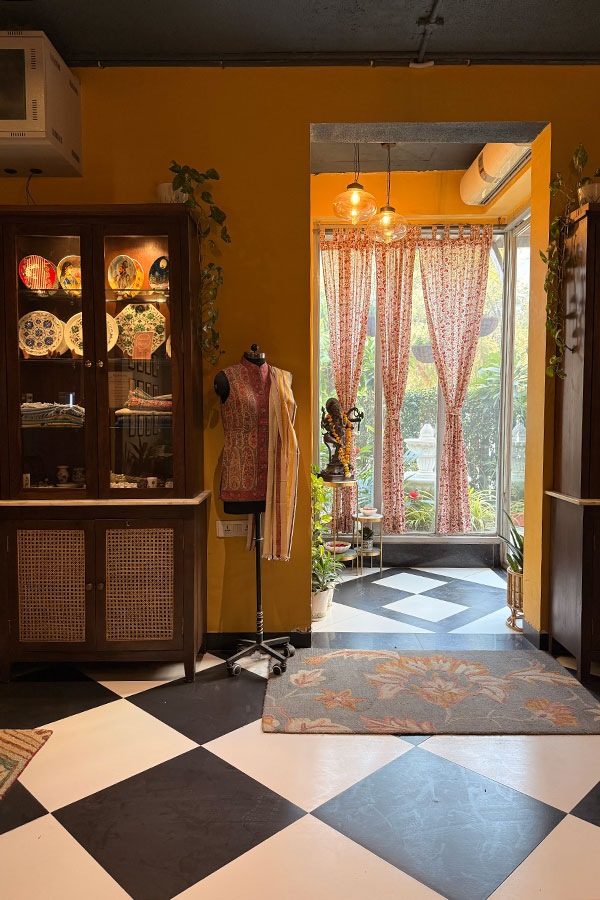
The next morning, after a sunrise tour of the Taj Mahal, we arrived back to a generous breakfast of fresh fruit, yoghurt, bread, handmade jams and besan cheelas (a savoury crepe with tamarind and mint chutneys). Still in awe of that morning’s long-anticipated wander through one of the wonders of the world, we lingered in the sunlit dining room, sipping our sweet masala chais. In a place where you’d expect to find ‘good enough for a night or two’, this was a surprisingly warm and personal home away from home. If I could do it again, I’d have stayed longer and seen more.
3 Rawla Bisalpur, SW Rajasthan
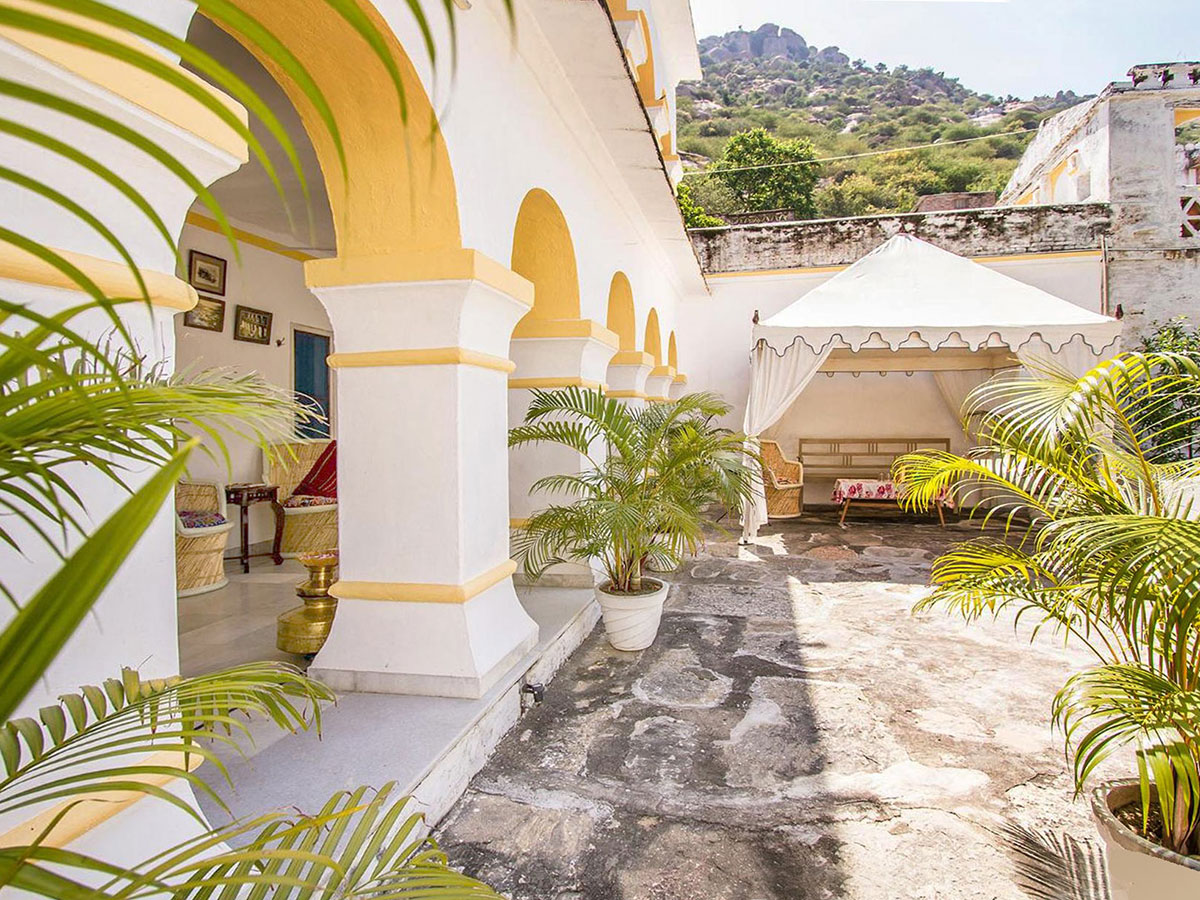
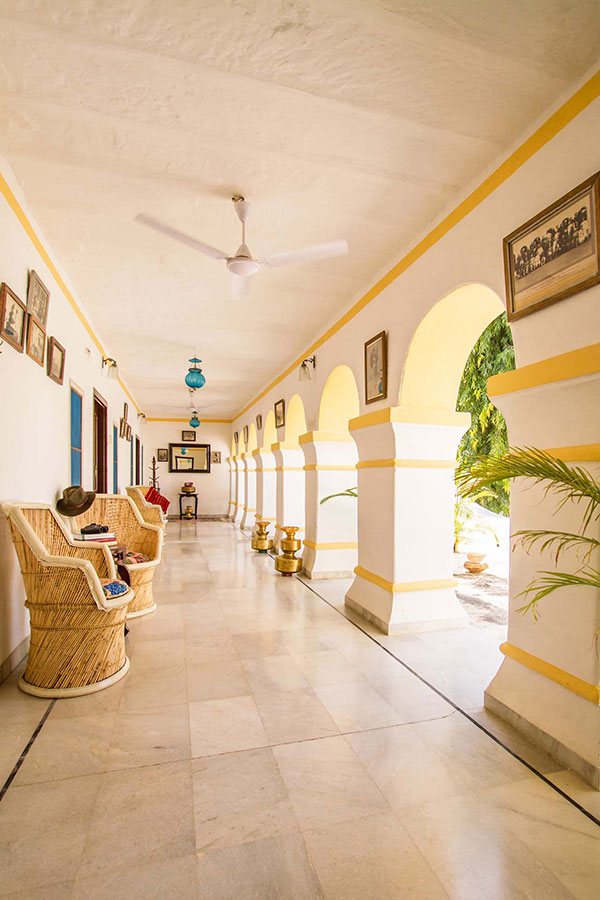
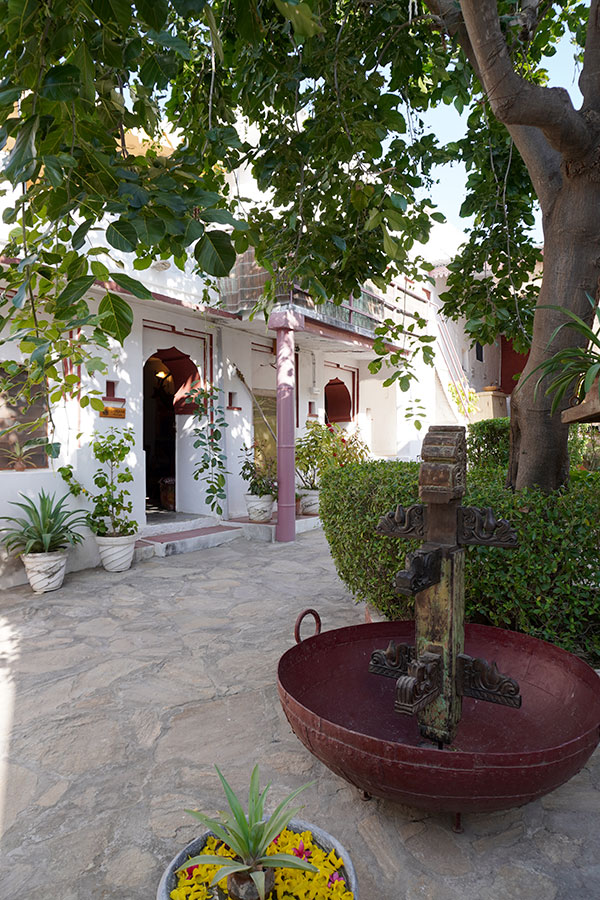
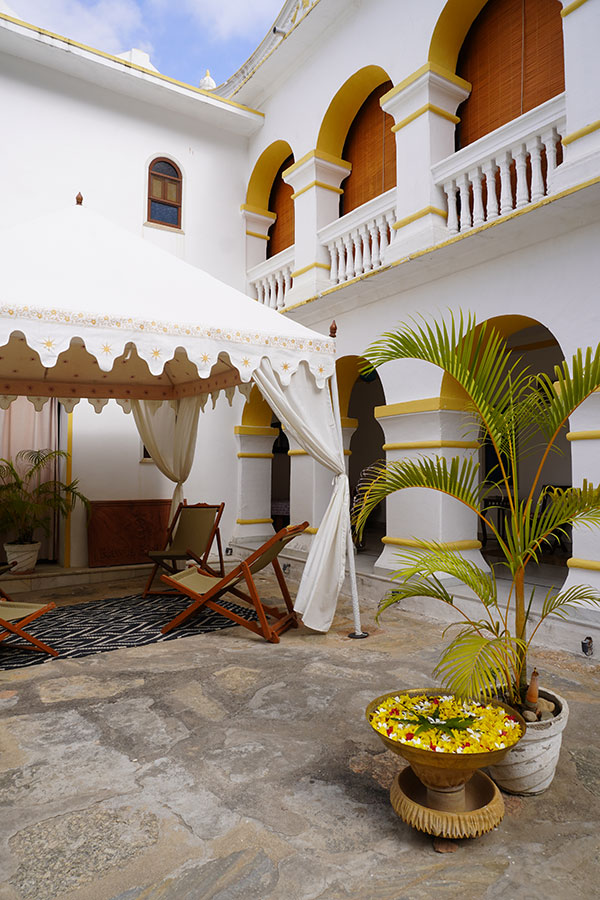
After Jaipur and Jodhpur, my mind was abuzz with elaborate havelis, moustached maharajas and bejewelled ladies. I’d always imagined an Indian adventure that would whisk me away to rugged landscapes full of romance and mystery, and this is exactly what Rawla Bisalpur delivers. At the edge of a quiet village, three hours from Udaipur, amongst neat houses and temples, this heritage property sits behind a massive arched gateway in the shadow of a great rockface. The Singh brothers were there to greet us when we arrived, smiling and waving with their uniformed team.
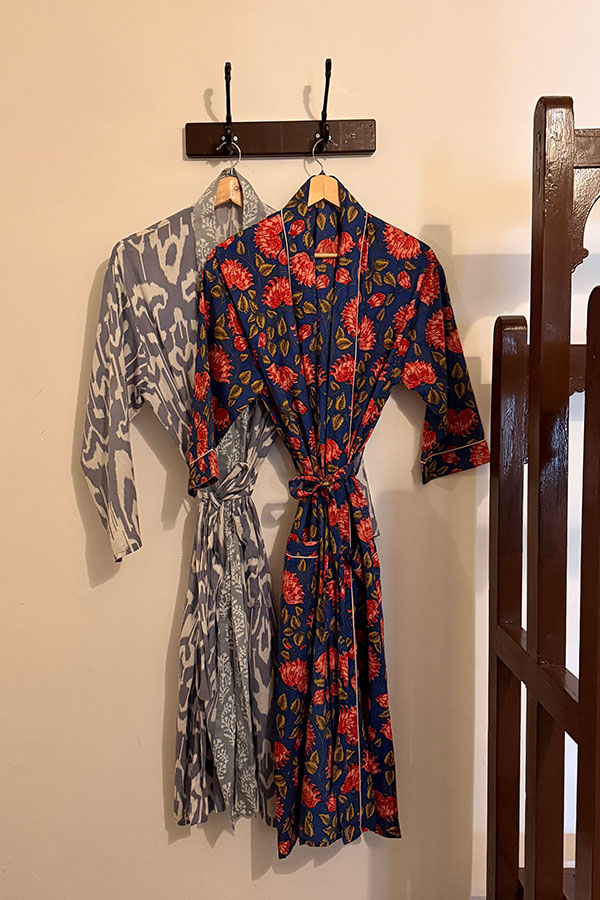
The Singh brothers’ family haveli dates to the 18th Century, and their opulent lineage of warriors and noble horsemen echoes throughout the old stables and breezy courtyards. The adjoining guesthouse was built in the 1930s, and is now split into four spacious guest rooms. Each feels fresh and cosy, decorated with framed old family photographs, antiques and soft cotton textiles. We found luxury toiletries, pretty floral robes, a jar of homemade chocolates, and, on the desk like it had always lived there, a framed photograph of my husband and me.
I’d heard that in India, nothing happens quickly or on time, but this was not the case here. At ten to four, we were ushered into one of their sleek, forest green jeeps, kitted out with binoculars, bird guides and glass bottles of filtered water. We were off to find Jawai’s elusive leopards.
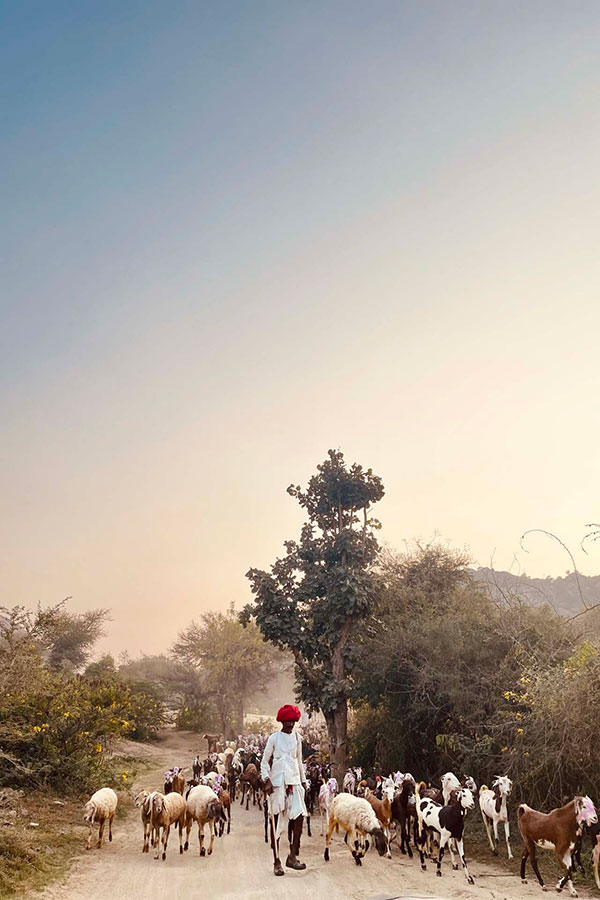
The landscape is like nothing I’d ever seen before – vast and arid, with shadowy, boulderous hills rising up into the pale blue sky. Here, safari jeeps have free rein to roam, and there aren’t many, which makes the experience all the more cinematic. We cruised along bumpy paths, weaving around shepherds in bright red turbans with flocks of spotted goats. Large brown cows occasionally sauntered past, and tiny, colourful birds whizzed between scruffy trees. As the sun drooped in the sky, we sped through tall grasses, up a steep rock face to a dazzling viewpoint over the Jawai dam.

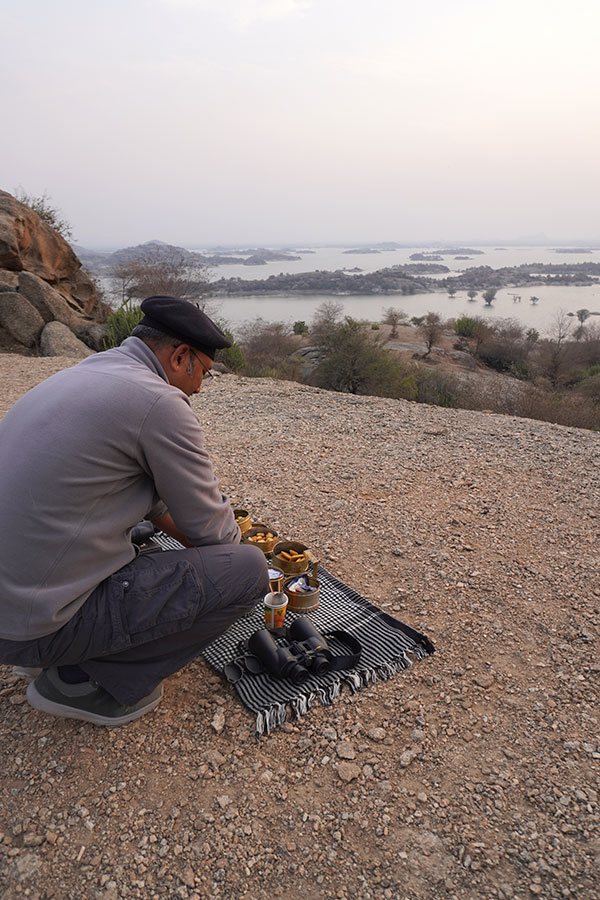
Gazing out over the gold-flecked water, sipping masala chai out of a tin mug, I realised that with or without leopards, this was one of those once-in-a-lifetime moments. Then suddenly our driver/tracker got a call and rushed us to the jeep. Not ten minutes later, we were glued to binoculars, watching a mother and her three small cubs prowl along the hillside.
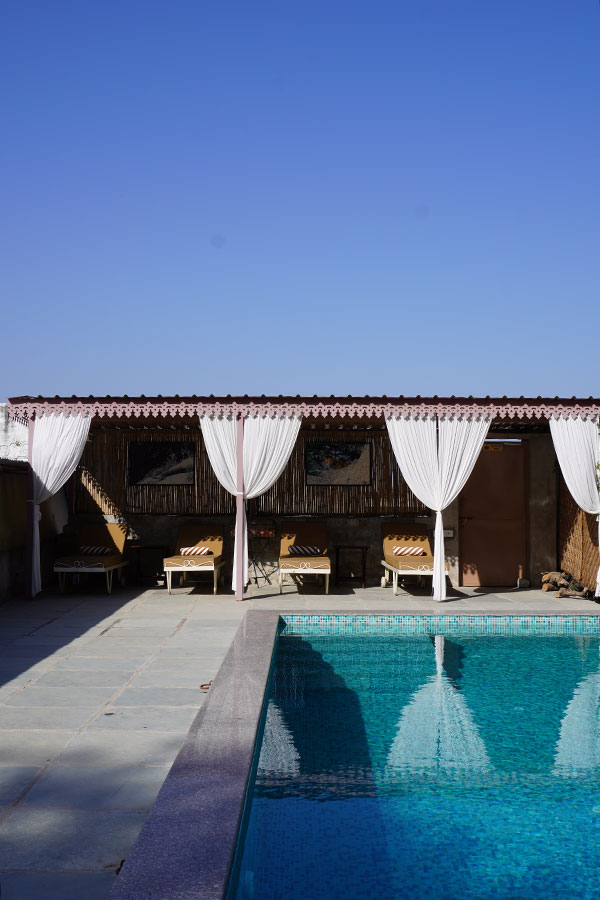
The rest of our stay was a rich, vibrant blur of candlelit dinners, G&Ts around the firepit, fascinating stories, dips in the pool, and rambling village walks. Just step outside the gate, and you’ll be invited to a celebration of some kind, or be waved in for an impromptu visit at the local school. The magic is in the simplicity – nothing is lavish or opulent, there are no gimmicks, no pretension – everything feels unforgettably high quality, from the beds, to the food, to the moments shared with your gracious hosts.


4 Vaayu Kula

Vaayu means wind or air in Sanskrit, and often refers to the flow that sustains the mind and body. Kula means community. And there is no more fitting couplet for this beach retreat tucked into the treeline on Mandrem Beach.
North Goa has developed a reputation for its crowded beaches, littered roads and all-night beach raves, but Mandrem Beach is an entirely different story. Though it’s walking distance to lively Arambol Beach, this long stretch of sand is cleaned every morning by the Vaayu Kula team and draws a more relaxed, bohemian crowd. Families play in the little estuary, couples sip cocktails in sunloungers, and a gentle breeze carries the chilled beats from their open-air restaurant Prana Mandrem.
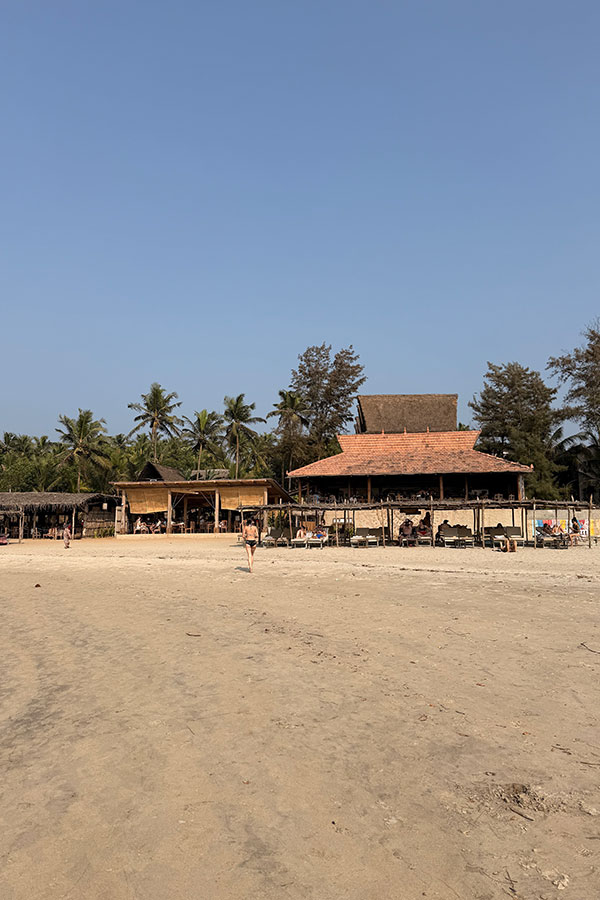
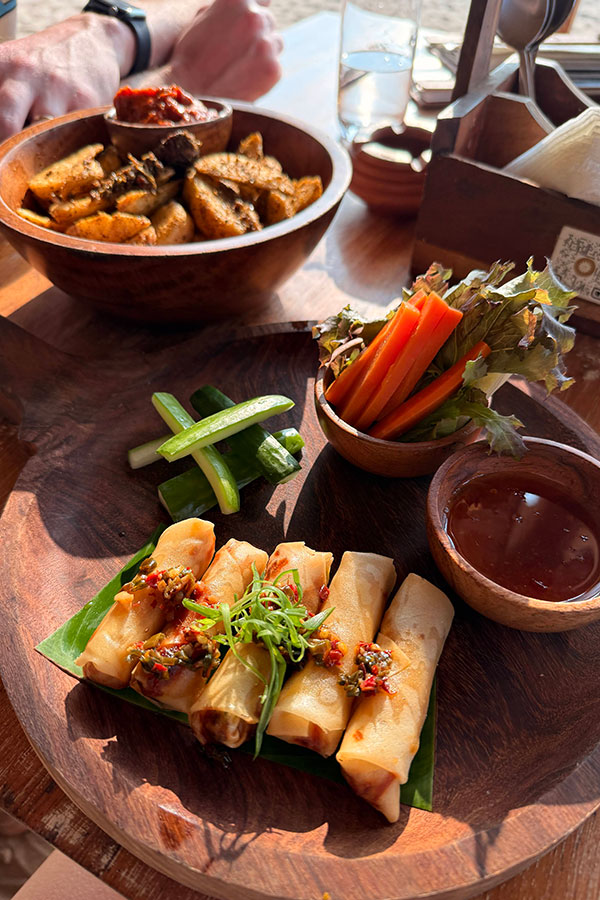
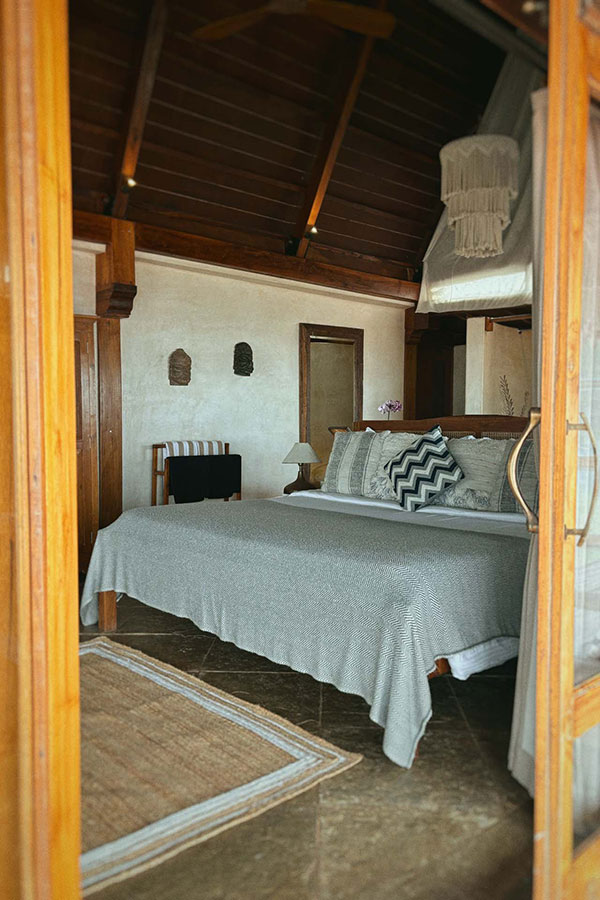
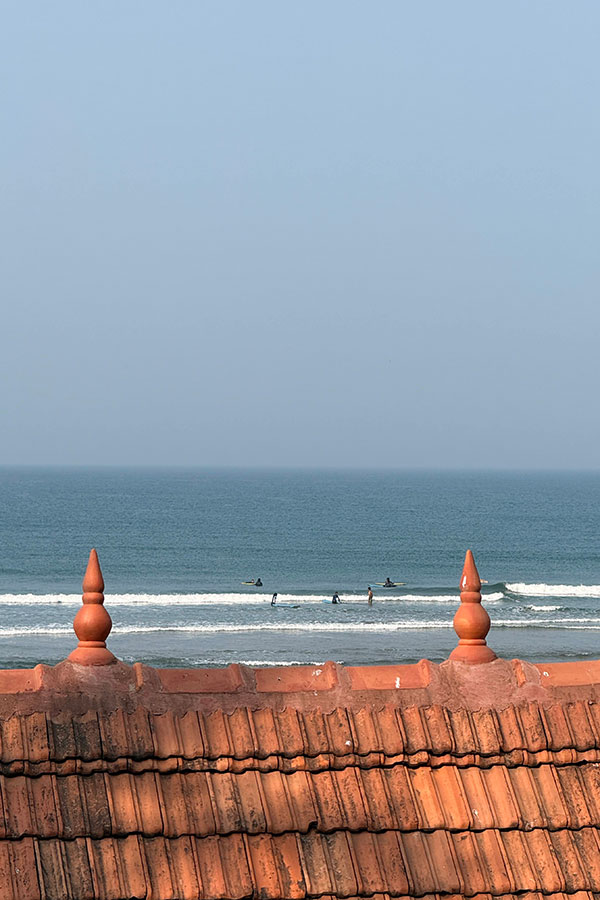
Here they take a friendly, unfussy approach to luxury. Each of their eight achingly stylish rooms have a private terrace or balcony with views over the garden or out towards the sea. The minibars are stocked with delicious goodies from a local zero-waste shop. The wellness-stroke-public-art-space hosts yoga and pilates classes as well as breathwork and ice plunges. But their large team makes all the difference, constantly buzzing around with relaxed efficiency and effusive warmth.
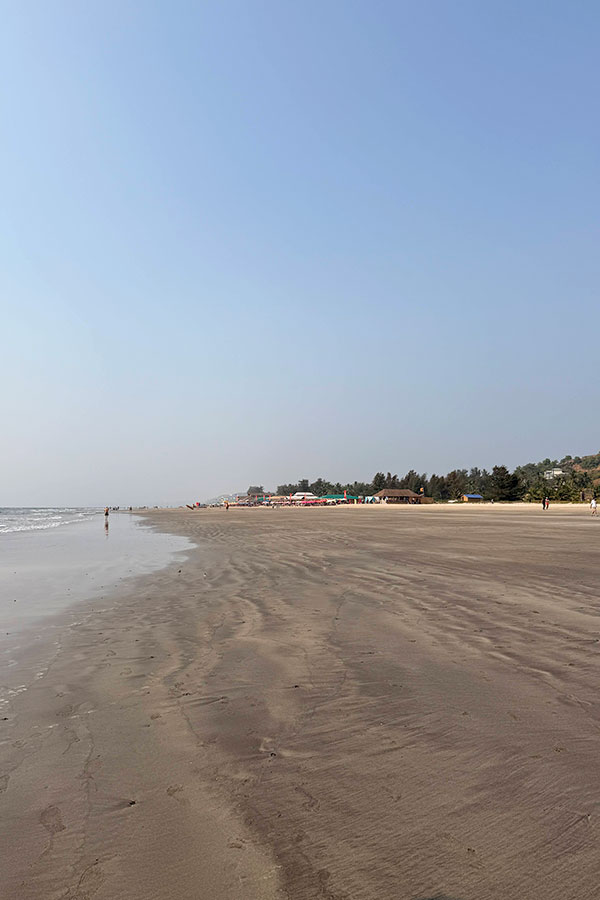
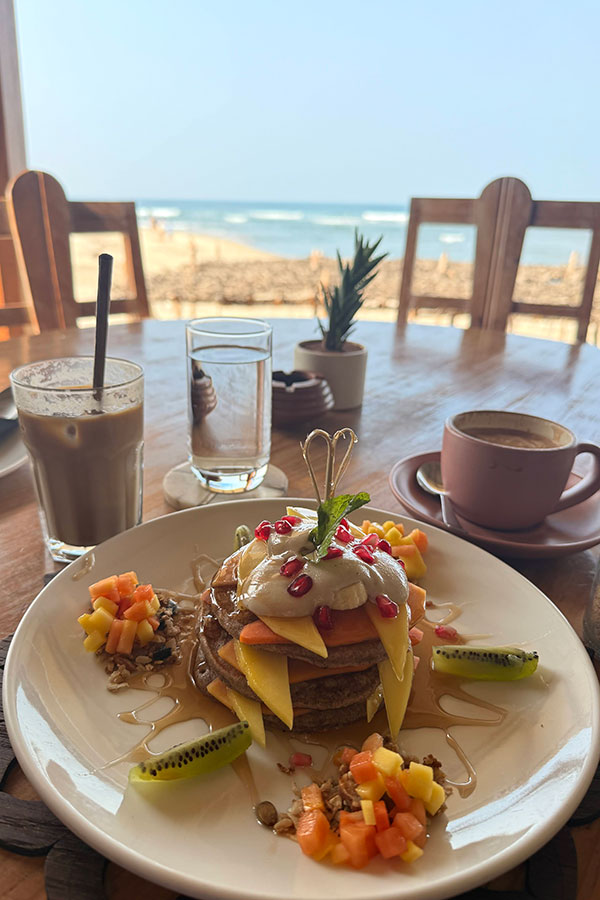
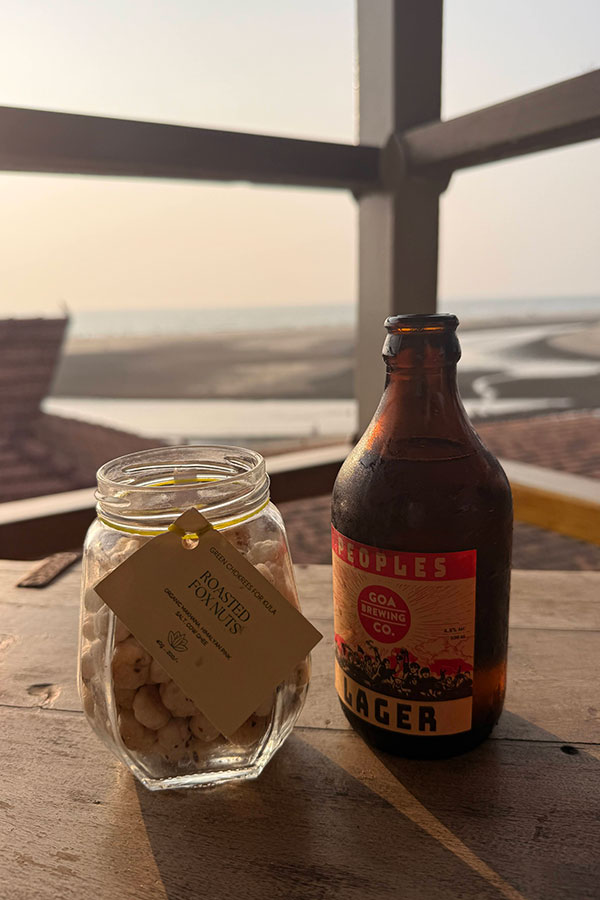
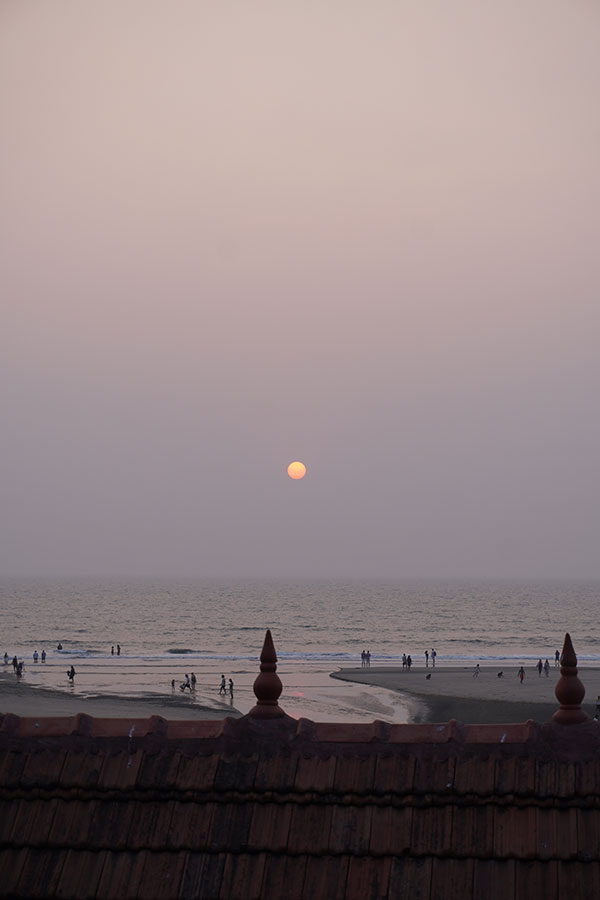
It took us no time at all to feel like a couple of regulars, swanning around our Sunset Suite, hopping down to the restaurant for pancakes with piles of fresh fruit, basking on the guest-only sunloungers, sipping through their cocktail menu with our toes in the sand. I sweat my way through a morning yoga class and wept through a surprisingly powerful breathwork session. Then we joined in the fun at one of their Sunday sundowner sessions where a DJ draws in revellers for a few hours of golden-hour drinks and dancing. Put simply, it’s nothing but very good vibes – aside from the fleeting moments of dreaded awareness that you will eventually have to leave.

Date published: 14 Jul 2026
Last updated: 15 Jul 2026