

Flying needn’t be the default option for travelling overseas. Overland travel is becoming an increasingly attractive alternative thanks to the renaissance of rail in Europe and improvements in cross-channel services. It’s also kinder to the planet – travelling by train can cut your carbon emissions by up to 90%. Green travel expert Richard Hammond provides his top tips for overland travel.
Travelling overland to Europe can open a whole new dimension to your holiday. If you’re travelling with children, most ferries across the Channel have a range of facilities for families, including play areas, games rooms, and cinemas that make the ferry trip something children look forward to rather than endure. Travel by coach or train, and you can be more spontaneous and creative about where you go and how long you spend there. You can also break the journey in one of Europe’s great cities, to see the sights and taste the local flavours before moving on.
Detours I’ve taken have led to some unforgettable travel moments, like sipping a cappuccino in a quiet little square in Milan, admiring the yachts in Marseille’s harbour, swimming in Lake Zurich, eating tapas in Algeciras, and cycling around Copenhagen. These little mini-adventures help make the journey part of the holiday.
Here are some of my top tips for flight-free holidays that are both budget-friendly and sustainable:
1. Get cheaper rail fares using booking alerts
Unlike airline tickets, rail tickets in Europe are often only released a few months before. Eurostar’s ‘booking horizon’ is 6–8 months, but in France, for instance, it’s only 3 months for most domestic services. Cheaper French train tickets known as ‘Prem’s’ are available for high-speed TGV trains, as well as the Intercités, and the popular TER trains can sell out quickly, so by setting up a ticket alert, you have the chance to book these as soon as they’re released. You can set up a ‘booking alert’ for French trains on the SNCF website, and for journeys throughout Europe, you can do the same on the pan-European rail booking site RailEurope.com – both send you an email as soon as the ticket for your desired route becomes available. If you’re booking multiple stages, set up separate alerts for each leg of the journey, so that you’re notified as soon as tickets for each stage become available.
2. Take the Eurostar to Lille instead of Paris
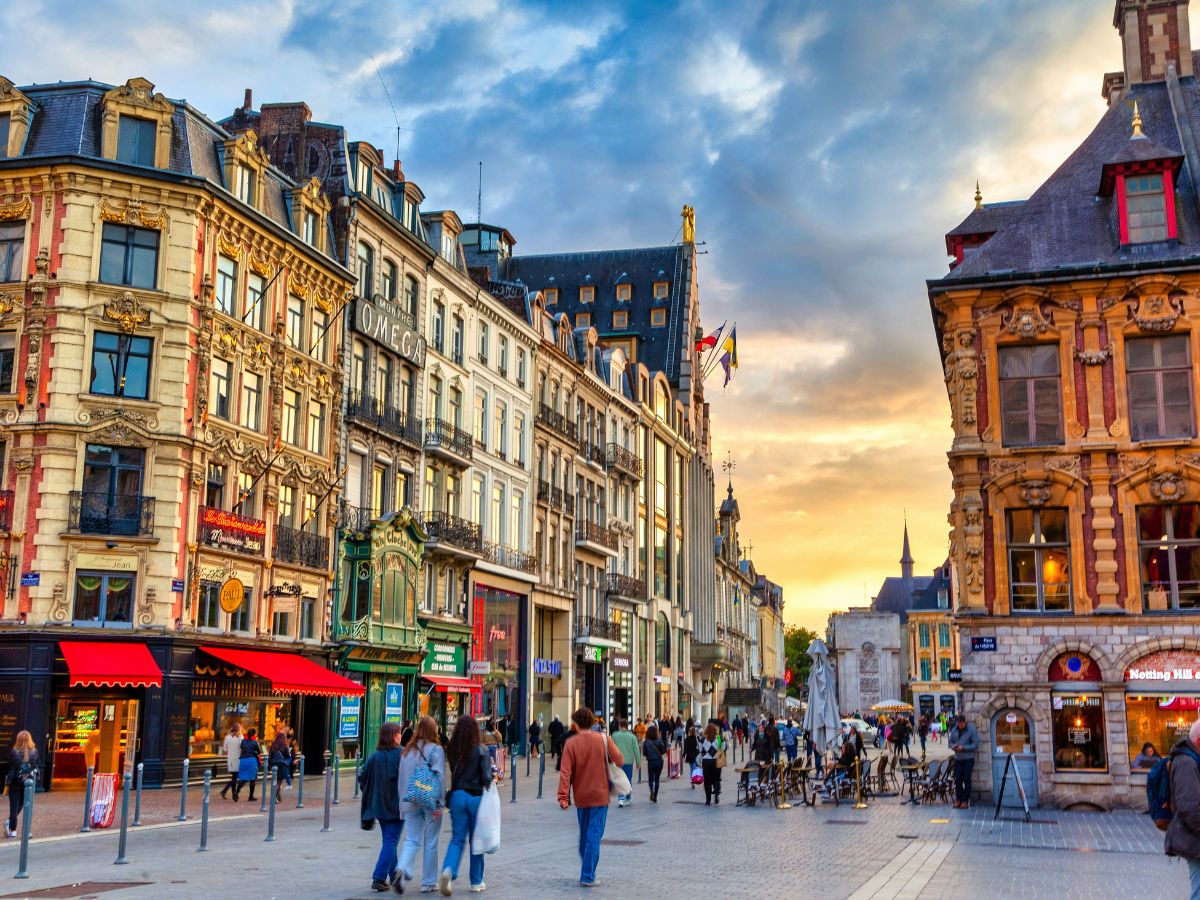
It’s just 1 hr 22 mins on the Eurostar from London St Pancras to the city of Lille in northern France, rather than the longer 2 hr 16 min journey to Paris. But the real benefit of travelling via Lille is the plethora of onward train connections from that station – avoiding the need to transfer stations across the city if you go via Paris. From Lille, there are high-speed trains to various French cities, such as Avignon, Marseille, and Bourg-Saint-Maurice in the French Alps, as well as Lyon, where you can change at the same station to trains speeding off to a range of European countries, such as Italy, Switzerland and Germany.
3. Embrace the romance of (new) sleeper trains
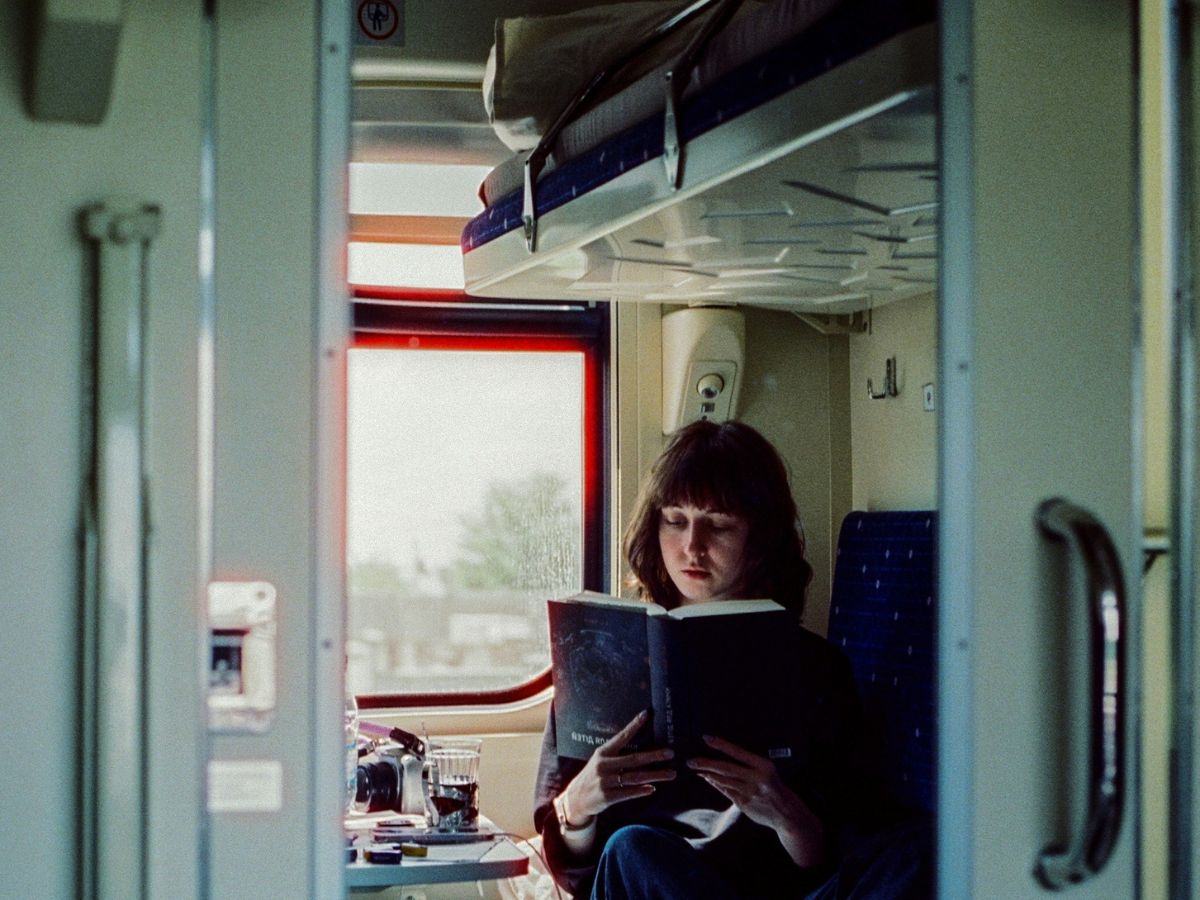
Make the most of the revival of overnight train services across Europe and be transported across huge distances while you sleep. Lying in your bed, reading by the glow of your berth light as the train trundles through the countryside, is a wonderful way to travel. There are several hubs from where you can take these overnight services, such as the ‘Train de Nuit’ services from Paris to the South of France and the ‘European Sleeper’ service from Brussels to Berlin and Prague. If you’re new to travelling on a sleeper train (or looking to convince a partner!), try the new generation Nightjet trains operated by Austrian operator ÖBB, from Amsterdam to Vienna (or Amsterdam to Munich and Innsbruck) where the smart one- or two-berth couchettes have their own shower and toilet. The volunteer-run European non-profit organisation ‘Back on Track’ has produced this handy online map of all the sleeper services in Europe.
4. Get freedom and flexibility for less with an Interrail pass (for all ages)
No longer just for students, the Interrail pass now provides multi-trip rail passes in 33 countries for all ages. There are several types of passes based on the number of days you want to take within a particular timeframe, such as 4, 5 or 7 days in one month, 10 or 15 days in two months, or you can opt for a ‘continuous’ pass, where you can travel for 15 or 22 days at a time. (5 travel day passes start around EUR 239.) For certain services, usually high-speed services, you will need to pay a supplement fee to reserve your seat.
A great benefit of Interrail is that you can use one day of your pass in your country of origin. This means you can start saving before you even get to Europe. Plus, you can use it to book a Eurostar journey for a supplement of just £30, or £38 for a first-class ticket with a glass of prosecco! Book Interrail passes at interrail.eu.
5. Go by coach
If you’re looking for a budget option to get across The Channel and into Europe, then consider going by coach. There has been something of a mini revolution in coach travel in Europe in recent years thanks to the liberalisation of long-distance coach transport throughout the continent. In France, for instance, the two main operators Flixbus and BlaBlaCar Bus provide coach travel to over 200 destinations often at a much cheaper price than intercity trains. There’s free WIFI, USB charging points and most Flixbus services cater for cyclists, charging a small fee (from £7-16) for taking a bike packed in carriers or special covers.
6. Travel to France on the Newhaven to Dieppe ferry

The vast majority of travellers cross the English Channel using the main ports at Dover, Portsmouth and Plymouth, but if you want to avoid the crowds, there’s a small port at Newhaven used by DFDS where you can cross to Dieppe – a fishing port on the Normandy coast in Northern France – in about 4 hours. It’s particularly handy if you’re travelling as a foot passenger as it’s just a short 3-minute walk from the railway station at Newhaven to the ferry departure terminal and once you reach Dieppe, you can get a shuttle bus outside the arrivals terminal (timed so that it’s there when the ferry arrives) to Dieppe’s SNCF and bus terminals for €3 (€1.5 for children), from where you can continue by public transport to Paris and throughout France.
7. ‘Rail and Sail’ to Europe
Travel overnight as a foot passenger from the UK to Northern Europe on the ‘Rail and Sail’ service, a combined train and ferry ticket for travel from London Liverpool Street or any Greater Anglia railway station (such as Cambridge, Colchester, Ipswich and Norwich) to Harwich from where you take a Stenaline ferry overnight to the port of Hoek van Holland in The Netherlands. The railway station at Harwich is immediately adjacent to the port, so it is a quick transfer from the train platform to the ferry check-in, and on the other side, when you arrive at about 8am, it’s the same quick transfer off the ferry to the Hook of Holland railway station, which has train services to Rotterdam, Amsterdam and beyond.
8. Sail on a yacht from Dover to France
This one is for the more intrepid traveller: SailLink is a new cross-channel service that crosses from Dover to Boulogne-sur-Mer in northern France on a fast 17m catamaran. The journey takes 4–5 hours, depending on the weather. The catamaran can take up to 12 passengers and 12 bikes, and passport checks are made at the departure pontoon. Tickets for the journey cost from £75 per adult per crossing.
9. Journey to Greece by land and sea

It may seem ambitious, but it is possible to travel from London to Greece by train and ferry, and can be a real adventure. The journey takes around 48 hours, with just one overnight stopover (in Turin or Milan) and then an overnight ferry from the east coast of Italy across to mainland Greece. This may sound long and arduous, but it’s a great way to get several holidays for the price of one.
Take the Eurostar from London St Pancras to Paris Gare du Nord then change to Paris Gare de Lyon to take the train to Turin (or Milan) and spend the night there. The following morning, take any daytime train to Bari or Brindisi on the east coast of Italy, where you can catch the overnight ferry to Igoumenitsa (for onward travel to Corfu, Thessaloniki and the north of Greece) or Patras (for Athens, central and southern Greece).
Along the way, you can stop for an al fresco dinner in Turin, sleep in cosy cabins, watch the ferry cast off from Brindisi with a coffee, and walk up in Corfu just as dawn breaks, ready for a hearty breakfast and a refreshing swim.
Best websites for planning and booking overland travel
General information on travelling by train: seat61.com
Train timetables: int.bahn.de/en
Booking train travel: thetrainline.com, raileurope.com
Guide to how to transfer between train stations in Paris: www.greentraveller.co.uk/post/train-station-transfers-paris
Booking ferry travel: www.directferries.co.uk; www.aferry.com; www.ferrysavers.co.uk; www.ferryhopper.com (Mediterranean)
Richard is the editor of The Green Traveller magazine and publishing director of greentraveller.co.uk – a website that provides inspiration for lower carbon travel and holidays that provide positive impacts in destinations, especially regarding wildlife conservation and local community empowerment.
Date published: 04 Sep 2025
Last updated: 22 Sep 2025